Weird! Pathetic? Her age 36.
Showing posts with label biological reproduction. Show all posts
Showing posts with label biological reproduction. Show all posts
Sunday, August 09, 2026
‘Publicity stunt’: Alexandra Ocasio-Cortez (AOC) publicized her egg freezing whilst teasing 2028 presidential run

Thursday, July 30, 2026
Sponging up sea water pollution
Good news! This is very preliminary, but promising research!
"... Sponges filter water through their pores, removing heavy metals, organics and bacteria while recycling nutrients.
Since shipping ports suffer from high concentrations of oil and toxins, researchers thought hardy sponges might provide a natural cleaning service. A team collected members of five sponge species for introduction to the Mediterranean port Marina Palamós. They began by growing the sponges on ceramic plates in the lab, then transplanted 42 specimens onto metal grids coated in calcium carbonate which were located within the port. ...
But the chicken liver sponge, Chondrosia reniformis, had a 92% survival rate over 455 days, even reproducing asexually. The sponge also showed an ability to “creep” away from threats such as pollution and UV radiation to more hidden crevices. ..."
"... “Here we show that some sponge species have exceptional potential for use in the restoration of degraded harbor habitats,” ...
“Unlike many sponges, the chicken kidney sponge can ‘creep’ away if local conditions deteriorate – for example, when nearby organisms compete. It can also relocate from the exposed upper surface of a rock, where it is subjected to UV radiation, polluted sediments, and predators, to sheltered crevices where these stresses are greatly reduced.
It also reproduces asexually by fission: this allows populations to expand rapidly and later reproduce sexually, increasing the chances of successful fertilization.” ..."
From the abstract:
"Harbor infrastructures impose strong environmental stress on coastal marine communities, limiting the persistence of many native species and hindering ecological restoration.
Identifying resilient habitat-engineering organisms is therefore key to developing effective and affordable renaturalization strategies. In this study, we evaluated the suitability of five Mediterranean sponge species to withstand the process of collection, laboratory manipulation, and transplantation to a recreational harbor, where they were monitored over 455 days using image-based morphometric analyses coupled with computational modeling.
Among the species tested, only Chondrosia reniformis showed high resilience under harbor conditions, with 91.7% survival. In contrast, all individuals of Corticium candelabrum, Crambe crambe, Scalarispongia scalaris, and Ircinia oros died during laboratory preparation or shortly after deployment in the harbor. Individuals of C. reniformis initially underwent a moderate size reduction but subsequently stabilized their biomass.
The sponges demonstrated remarkable morphological plasticity, including continuous substrate crawling (up to 12.7 cm of total displacement) and the capacity to recover from disease.
Some individuals underwent body fission [asexual reproduction?] during warm months, generating clonal offspring that nearly doubled the size of the experimental population in the harbor.
Collectively, the results indicate that the high survival of this species in the degraded harbor environment, together with its resistance to disease, its ability to proliferate clonally, and its capacity to reposition itself for improved environmental adaption, makes C. reniformis a highly suitable candidate as putative habitat engineer in future multitrophic approaches aimed at enhancing biodiversity and renaturalizing degraded harbor environments and other anthropogenically impacted coastal habitats."
Chicken kidney sponge could be ‘outstanding’ at cleaning up polluted ports "Hardy sea sponge shows great promise as an ecosystem engineer to clean up and rewild degraded harbors"
Specimen of the chicken kidney sponge Chondrosia reniformis transplanted into the harbor

Wednesday, July 08, 2026
Average testosterone levels in men declined by 54% between 1972 and 2019 according to an international study of over 118,000 men
Serious stuff, if confirmed! Of course, climate change needed to be implicated by The Guardian!
Unfortunately, I was not able to find the study e.g. via Google search, Google Scholar, the Hebrew University-Hadassah Braun School of Public Health and Community Medicine etc. Presumably, this study has not yet been published.
"Average testosterone levels in men declined by 54% between 1972 and 2019, according to data presented this week at the annual meeting of the European Society of Human Reproduction and Embryology in London; researchers say rising obesity and diabetes are the key drivers but also highlighted endocrine-disrupting chemicals and climate change as potential factors [???]. ..."
"... These findings come from an international study led by Prof. Hagai Levine of the Hebrew University-Hadassah Braun School of Public Health and Community Medicine. ..." (Google search)
Sunday, January 11, 2026
Human Eggs Rejuvenated in an Advance That Could Boost IVF Success in older women/eggs
Good news!
"... The groundbreaking research suggests that an age-related defect that causes genetic errors in embryos could be reversed by supplementing eggs with a crucial protein…
The decline in egg quality is the main reason IVF success rates drop steeply with female age and is why the risk of chromosome disorders such as Down’s syndrome increases with maternal age
The latest approach targets a vulnerability in eggs linked to a process called meiosis ...
[Researchers] previously found that a protein, Shugoshin 1, which appears to act as a glue for the chromosome pairs, declines with age. In the latest experiments in mouse and human eggs, they found that microinjections of Shugoshin 1 appeared to reverse the problem of chromosome pairs separating prematurely. ..."
From the abstract:
"Aneuploidy in human eggs, which rises sharply with age, is a leading cause of infertility, IVF failure, and miscarriage. This age-related aneuploidy is primarily driven by premature sister chromatid separation (PSSC), resulting from loss of the cohesin complex that holds chromatids together. How cohesin is destabilized in the long-lived mammalian oocyte is poorly understood.
Here, we show that in mouse oocytes, pericentromeric transcription is essential for maintaining the cohesion protector Shugoshin 1 (SGO1) and PP2A at centromeres, which together safeguard the cohesin subunit REC8.
With age, mouse oocytes lose pericentromeric transcription, SGO1, and PP2A, leading to destabilized cohesion and increased PSSC.
Supplementing aged mouse oocytes with Sgo1 restores centromeric protection, and reduces PSSC to youthful levels.
Aged human oocytes also show reduced SGO1, and SGO1 supplementation reduces the fraction of human eggs with PSSC by approximately half.
These findings establish SGO1 supplementation as a potential strategy to preserve chromatid cohesion in aging oocytes."
Prof. Dr. Melina Schuh (the lady behind the research). She does not have a Google Scholar profile.

Saturday, January 03, 2026
Tuesday, December 30, 2025
Detailed cell map unlocks secrets of how reproductive organs form during prenatal development
Good news! Amazing stuff!
"New research has mapped the cell types that specialise to form reproductive organs in both sexes, identifying key genes and signals that drive this process. The findings offer important insights into conditions affecting the reproductive organs, and how environmental chemicals may affect reproductive health.
Researchers ... used a combination of single-cell and spatial genomics technologies to analyse over half a million individual human cells from the developing reproductive system. ..."
From the abstract:
"The human reproductive tract is essential for species perpetuation and overall health. Its development involves complex processes of sex specification, tissue patterning and morphogenesis, the disruption of which can cause lifelong issues, including infertility.
Here we present an extensive single-cell and spatial multi-omic atlas of the human reproductive tract during prenatal development to provide insights beyond those that are possible with smaller-scale, organ-focused studies.
We describe potential regulators of sexual dimorphism in reproductive organs and pinpoint previously unknown genes involved in Müllerian duct emergence and regression and urethral canalization of the penis.
By combining histological features with gene expression and chromatin accessibility data, we define transcription factors and signalling events potentially involved in the regionalization of the Müllerian and Wolffian ducts.
We also refine how the HOX code is established in distinct reproductive organs and reveal that the expression of thoracic HOX genes is increased in the rostral mesenchyme of the fallopian tube and epididymis.
Our findings further indicate that epithelial regionalization of the fallopian tube and epididymis, which probably contribute to sperm maturation and capacitation, is established during development.
Our findings further indicate that epithelial regionalization of the fallopian tube and epididymis, which probably contribute to sperm maturation and capacitation, is established during development.
By contrast, later events are necessary for regionalization of the uterocervical canal epithelium.
Finally, on the basis of single-cell data and fetal-derived organoids, we show that the fetal uterine epithelium is vulnerable to oestrogen-mimicking endocrine disruptors.
By mapping sex-specific reproductive tract regionalization and differentiation at the cellular level, our study provides valuable insights into causes and potential treatments of developmental reproductive disorders."
Fig. 1: Single-cell resolved spatiotemporal atlas.

Saturday, December 13, 2025
Sperm donor with a cancer-causing mutation fathered nearly 200 children, some of the children have already died
Serious stuff! Food for thought! Apparently, this particular genetic mutation was known since 2023!
Were the would be parents informed about how many children were fathered by the same donor? Would this information be provided if a would be parent asks about it?
How good is the screening of donor semen and donor health?
Had I learnt that the same donor has already fathered dozens or even more than 100 children, I would have had some second thoughts as a would be parent.
"In an alarming case that researchers say should spark regulatory changes, a sperm donor who unknowingly carried a cancer-causing genetic mutation has fathered at least 197 children across Europe. According to an investigation published earlier this week by a group of 14 European news organizations, some children have already died.
The donor is reportedly healthy, but before he was born, some of his cells mutated, damaging a gene known as TP53. This gene encodes what’s known as a tumor suppressor protein, which regulates how quickly cells grow and divide. People missing a functional version of that gene are at risk of Li-Fraumeni syndrome, an inherited disorder that greatly increases the risk of developing cancer, particularly during childhood. ...
The new investigation builds on work by cancer geneticist Edwige Kasper, who learned in 2023 of a sperm donor with a “variant of unknown significance” in TP53. ... At the annual meeting of the European Society of Human Genetics this past May, Kasper announced that the donor had fathered at least 67 children, some of whom had already developed leukemia and non-Hodgkin’s lymphoma. ..."
Monday, November 10, 2025
The Possibilities and Predicaments of Artificial Wombs
Food for thought! Maybe one day in the not so distant future, we do not need female pregnancies anymore, because of longevity, an artificial womb or other means of reproduction.
"Scientists have made significant strides in efforts to develop an “artificial womb” that can help extremely premature babies survive outside of the human body.
A delicate process: One prototype created by Dutch startup AquaWomb is a fluid-filled, temperature-controlled vessel where a baby’s umbilical cord connects to a mechanical placenta that delivers oxygen and nutrients until the infant’s lungs mature.
And an ethical debate: Bioethicists warn that artificial wombs could raise new moral and legal questions around viability, and reframe reproductive policy.
Where development stands: The technology has already been used with fetal lambs.
In 2023, the U.S. FDA convened experts to consider allowing the first human trials; however, the agency has not signaled if or when such trials could be greenlighted. ..."
AquaWomb (website in progress) Apparently, this company still needs some birth assistance as well.
AquaWomb (Source)

Saturday, November 01, 2025
Double-headed at opposite ends microscopic flatworms in the wild
Amazing stuff! Wish you could split your body in half sometimes? Maybe this is more than a curiosity!
"... Stenostomum brevipharyngium? This microscopic flatworm reproduces asexually by splitting its body in half, with each new worm regenerating either a new head or a new tail. But this process, known as parotomy, doesn’t always go as planned—sometimes resulting in offspring with heads at both ends.
Surprisingly, these bizarre-looking critters don’t seem to mind. When scientists looked more closely at the worms’ brains, they found that, while some structures were a bit topsy-turvy, they didn’t appear to be malformed—suggesting that the erroneously grown heads are fully functional. The defect also isn’t heritable, so a double-headed individual can go splitsies to produce perfectly normal offspring. Chopping the mutant worms up into pieces revealed that a fragment with a misplaced head can even grow a new tail at what was once its front end, creating a healthy animal with its head and tail positions permanently swapped. ..."
From the abstract:
"In most of the animals, the antero-posterior axis is specified during early embryogenesis. However, in the organisms that undergo somatic asexual reproduction, constant re-establishment of the body axis occurs during each asexual act in the context of the fully formed adult body.
In microscopic flatworms from the genus Stenostomum the new head and tail structures are inserted in the pre-existing body plan during the asexual process known as paratomy.
Here, we report a spontaneously occurring developmental error that results in the formation of worms with double heads at opposite ends of their bodies, lacking posterior pole identity. In the set of experiments, we show that the double-head phenotype is not heritable on the organismal level.
Worms originating from the sectioning or fission of the double-head animals give rise to the healthy populations that do not display the erroneous asexual development.
We also demonstrate that the piece of the worm with ectopic head can survive, regenerate the tail on its previously anterior pole and resume asexual reproduction.
Effectively, such regeneration allows stable reversal of the body axis polarity without impairment of the survival or reproductive abilities of the animal, an exceptionally rare phenomenon among bilaterians."
Spontaneous ectopic head formation enables reversal of the body axis polarity in microscopic flatworms (open access)
Fig. 1 Morphological comparison of the wild-type asexual and double-head Stenostomum brevipharyngium

Fig. 4 Reversal of the body axis polarity in the regenerating middle zooid of the double-head worms.

Tuesday, April 01, 2025
Sperm and egg donors: Lifting anonymity in France
Food for thought! The considerably long waiting lists for fertility treatment may get longer.
Saturday, February 01, 2025
In a First, Mouse Pups with Two Dads Live to Adulthood
Amazing stuff! 😊
"... Now, after spending almost six years improving their method, the same research team, led by developmental biologist Wei Li at the Chinese Academy of Sciences (CAS), has successfully generated mouse pups from two male parents, with some surviving into adulthood. The results, published in Cell Stem Cell, uncover mechanisms that can advance the generation of genetically modified animal models and improve understanding of some congenital diseases. ...
In the present study, the researchers took a closer look at the nonviable pups to determine what was going wrong. They observed physical abnormalities such as excessive weight, open tongue, umbilical hernias, and genetic abnormalities like overexpression of paternally expressed imprinted genes. Researchers have previously hypothesized that paternal genes promote growth, while maternal genes restrict it. Consistent with this, Li and his team observed that excessive organ growth in bi-paternal pups compressed their chest cavity, resulting in death. ..."
"... Earlier attempts to make a bi-paternal mouse used ovarian organoids to derive oocytes from male pluripotent stem cells; those ooctyes were then fertilized with sperm from another male. However, when the homologous chromosomes—the chromosomes that divide during meiosis to create oocytes and sperm—originated from the same sex, imprinting abnormalities arose, leading to severe developmental defects. ..."
From the highlights and abstract:
"Highlights
• Bi-paternal mice reaching adulthood generated via targeted imprinting modifications
• ESCs with imprinting modifications showed twice the developmental ability of control
• Functional bi-paternal placenta created by modifying the Sfmbt2 microRNA cluster
• Mice with 20 loci modifications exhibited higher cloning efficiency
Summary
Imprinting abnormalities pose a significant challenge in applications involving embryonic stem cells, induced pluripotent stem cells, and animal cloning, with no universal correction method owing to their complexity and stochastic nature.
In this study, we targeted these defects at their source—embryos from same-sex parents—aiming to establish a stable, maintainable imprinting pattern de novo in mammalian cells. Using bi-paternal mouse embryos, which exhibit severe imprinting defects and are typically non-viable, we introduced frameshift mutations, gene deletions, and regulatory edits at 20 key imprinted loci, ultimately achieving the development of fully adult animals, albeit with a relatively low survival rate.
The findings provide strong evidence that imprinting abnormalities are a primary barrier to unisexual reproduction in mammals. Moreover, this approach can significantly improve developmental outcomes for embryonic stem cells and cloned animals, opening promising avenues for advancements in regenerative medicine."

Sunday, December 22, 2024
First Live Birth Using Procedure That Matures Eggs Outside Body
How long will will we still need women uteruses and conventional pregnancy anymore to reproduce? My guess, it will happen in the next 20-40 years.
The next question would be how long will there be two human sexes or sexual reproduction? My guess, the distinction of two human sexes will be rather insignificant by the end of this century.
Notice, this was apparently introduced in Peru not in any Western country!
"Gameto, a biotechnology company dedicated to advancing treatment option in women’s health, announced today the world’s first live human birth using Fertilo, an ovarian support cell (OSC) technology that matures eggs outside the body. The delivery was conducted at Santa Isabel Clinic, in Lima, Peru.
With nearly half of the women in the US never reaching their maternity goals, there is an urgent need for innovation. Unlike traditional methods, which rely on 10-14 days of high-dose hormonal stimulation to mature eggs, Fertilo uses engineered, young ovarian support cells to recreate the natural egg maturation process in a laboratory setting. This process replaces 80% of hormone injections required with traditional IVF, and reduces the duration of treatment cycles to just three days, offering patients a more comfortable and less invasive experience."
Gameto Announces World’s First Live Birth Using Fertilo Procedure that Matures Eggs Outside the Body (is this an article or advertisement or business promotion? It is a business press release!) "- Breakthrough ovarian support cell technology eliminates approximately 80% of hormone injections required with conventional in-vitro fertilization (IVF)
- Reduces risks such as ovarian hyperstimulation syndrome and alleviates side-effects caused by high hormone doses"
Clinica Santa Isabel (unfortunately, all in Spanish; will somebody please convince Latin Americans to publish more in English instead of exclusively Spanish!)
Fertilo uses ovarian support cells to mature oocytes outside of the body with the goal of improving IVF and egg freezing.

Wednesday, November 20, 2024
Why is the Dimocratic Party so strangely obsessed with reproductive health?
This obsession with this single issue has most likely also contributed to the loss of their presidential candidate in 2024!
What minority of women are they trying to address with this subject?
Will this single issue gain the party any new voters?
Abortion is not a subject to win hearts & minds!
Monday, May 27, 2024
Some Mice May Owe Their Monogamy to a Newly Evolved Type of Cell in the adrenal gland, which may have evolved only 20,000 years ago
Amazing stuff!
Unfortunately, Columbia University is an ideology driven elite university. The lead researcher on this study (assistant professor Bendesky) uses the cringy term "people" to refer to women! Quote: "... a drug to help treat the postpartum depression that people often experience after childbirth ..."
"What makes the oldfield mouse steadfastly monogamous throughout its life while its closest rodent relatives are promiscuous? The answer may be a previously unknown hormone-generating cell ...
More than 100 years of previous research has shown that the mice species behave in strikingly different ways. Whereas the deer mouse is promiscuous — even a single litter of pups can have four different fathers — the oldfield mouse mates for life. ...
To find out why these close mouse relatives behave so differently, the scientists examined their adrenal glands.
"This pair of organs, located in the abdomen, produces many hormones important for behavior," ... "These include stress hormones such as adrenaline, but also a number of sex hormones." ...
The adrenal glands of these mice proved startlingly different in size. In adults, the adrenals of the monogamous mice are roughly six times heavier than those of promiscuous mice (after adjusting for differences in the body weight between the species).
"This extraordinary difference in the size of an internal organ between such closely related species is unprecedented," ...
"This marks the first time we found anything that could increase parental care in the promiscuous group," ...
Genetic analysis of the adrenal cells revealed that one gene, Akr1c18, saw far more activity in the monogamous mice than in the promiscuous rodents. The enzyme this gene encodes helps create a little-studied hormone known as 20⍺-OHP, which is also found in humans and other mammals.
The researchers observed that increasing 20⍺-OHP hormone levels boosted nurturing behavior in both mouse species. ..."This marks the first time we found anything that could increase parental care in the promiscuous group," ...
Normally these glands are divided into three zones. But the scientists discovered that the adrenals of the monogamous mice possessed a fourth zone. ...
In zona inaudita [fourth zone] cells, the researchers found that 194 genes, including Akr1c18, were far more active compared with the same genes in other adrenal cells. ..."
In zona inaudita [fourth zone] cells, the researchers found that 194 genes, including Akr1c18, were far more active compared with the same genes in other adrenal cells. ..."
From the abstract:
"Cell types with specialized functions fundamentally regulate animal behaviour, and yet the genetic mechanisms that underlie the emergence of novel cell types and their consequences for behaviour are not well understood1. Here we show that the monogamous oldfield mouse (Peromyscus polionotus) has recently evolved a novel cell type in the adrenal gland that expresses the enzyme AKR1C18, which converts progesterone into 20α-hydroxyprogesterone. We then demonstrate that 20α-hydroxyprogesterone is more abundant in oldfield mice, where it induces monogamous-typical parental behaviours, than in the closely related promiscuous deer mice (Peromyscus maniculatus). Using quantitative trait locus mapping in a cross between these species, we ultimately find interspecific genetic variation that drives expression of the nuclear protein GADD45A and the glycoprotein tenascin N, which contribute to the emergence and function of this cell type in oldfield mice. Our results provide an example by which the recent evolution of a new cell type in a gland outside the brain contributes to the evolution of social behaviour. ...
By measuring the number of mutations distinguishing these species, the scientists estimated this novel cell type evolved within the past 20,000 years, "which is just an eyeblink when it comes to evolution," ..."
By measuring the number of mutations distinguishing these species, the scientists estimated this novel cell type evolved within the past 20,000 years, "which is just an eyeblink when it comes to evolution," ..."
Evolution of a novel adrenal cell type that promotes parental care (no public access)

The adrenal glands of a deer mouse (left) and oldfield mouse (right), showing the relative size of the zona fasciculata (green) and the novel zona inaudita (red).
Saturday, May 25, 2024
A promising, non hormonal, and reversible approach to develop a birth control pill for men and male mice
Good news!
However, how many times has this been promised over the last 50 years or so or since the birth control pill for women (invented 1960)? I would guess at least a few dozen times!
Maybe one day ... Something as effective and simple as the birth control pill for women will one day be available to men too! I am quite confident it will happen in my lifetime! It is a race between possible ED later in life and effective contraception in my case. And the winner will be ... 😊
Given that it is a non hormonal and very different approach, perhaps this time there is indeed more success!
"... In a study published in the journal Science, researchers at Baylor College of Medicine and collaborating institutions show in animal models that a novel, non-hormonal sperm-specific approach offers a promising option for reversible human male contraception. ...
“In this study we focused on a novel approach – identifying a small molecule that would inhibit serine/threonine kinase 33 (STK33), a protein that is specifically required for fertility in both men and mice.” ...
Previous research has shown that STK33 is enriched in the testis and is specifically required for the formation of functional sperm. ..."
“In this study we focused on a novel approach – identifying a small molecule that would inhibit serine/threonine kinase 33 (STK33), a protein that is specifically required for fertility in both men and mice.” ...
Previous research has shown that STK33 is enriched in the testis and is specifically required for the formation of functional sperm. ..."
From the editor's summary and abstract:
"Editor’s summary
There are numerous forms of female contraception in clinical use, but male contraception continues to be very limited and lacks a medication-based approach. A poorly understood kinase called STK33 is enriched in the testis, and both men and mice that lack this kinase are infertile. Building on these findings, Ku et al. performed large-scale drug screening to identify chemical inhibitors of STK33, obtained crystal structures of STK33 with some of the compounds, and used this information to inform structure-activity relationship studies (see the Perspective by Holdaway and Georg). The most promising compound successfully reduced fertility in vivo in male mice without any detectable safety concerns. Importantly, the effects of this treatment were reversible, and the mice recovered their fertility soon after the treatment was discontinued. ...
Abstract
Men or mice with homozygous serine/threonine kinase 33 (STK33) mutations are sterile owing to defective sperm morphology and motility. To chemically evaluate STK33 for male contraception with STK33-specific inhibitors, we screened our multibillion-compound collection of DNA-encoded chemical libraries, uncovered potent STK33-specific inhibitors, determined the STK33 kinase domain structure bound with a truncated hit CDD-2211, and generated an optimized hit CDD-2807 that demonstrates nanomolar cellular potency (half-maximal inhibitory concentration = 9.2 nanomolar) and favorable metabolic stability. In mice, CDD-2807 exhibited no toxicity, efficiently crossed the blood-testis barrier, did not accumulate in brain, and induced a reversible contraceptive effect that phenocopied genetic STK33 perturbations without altering testis size. Thus, STK33 is a chemically validated, nonhormonal contraceptive target, and CDD-2807 is an effective tool compound."
A promising approach to develop a birth control pill for men (original news release)
Reversible male contraception by targeted inhibition of serine/threonine kinase 33 (no public access)
Perspective: An emerging target for male contraception (no public access) An inhibitor of a nonhormonal target is identified using a DNA-encoded chemical library
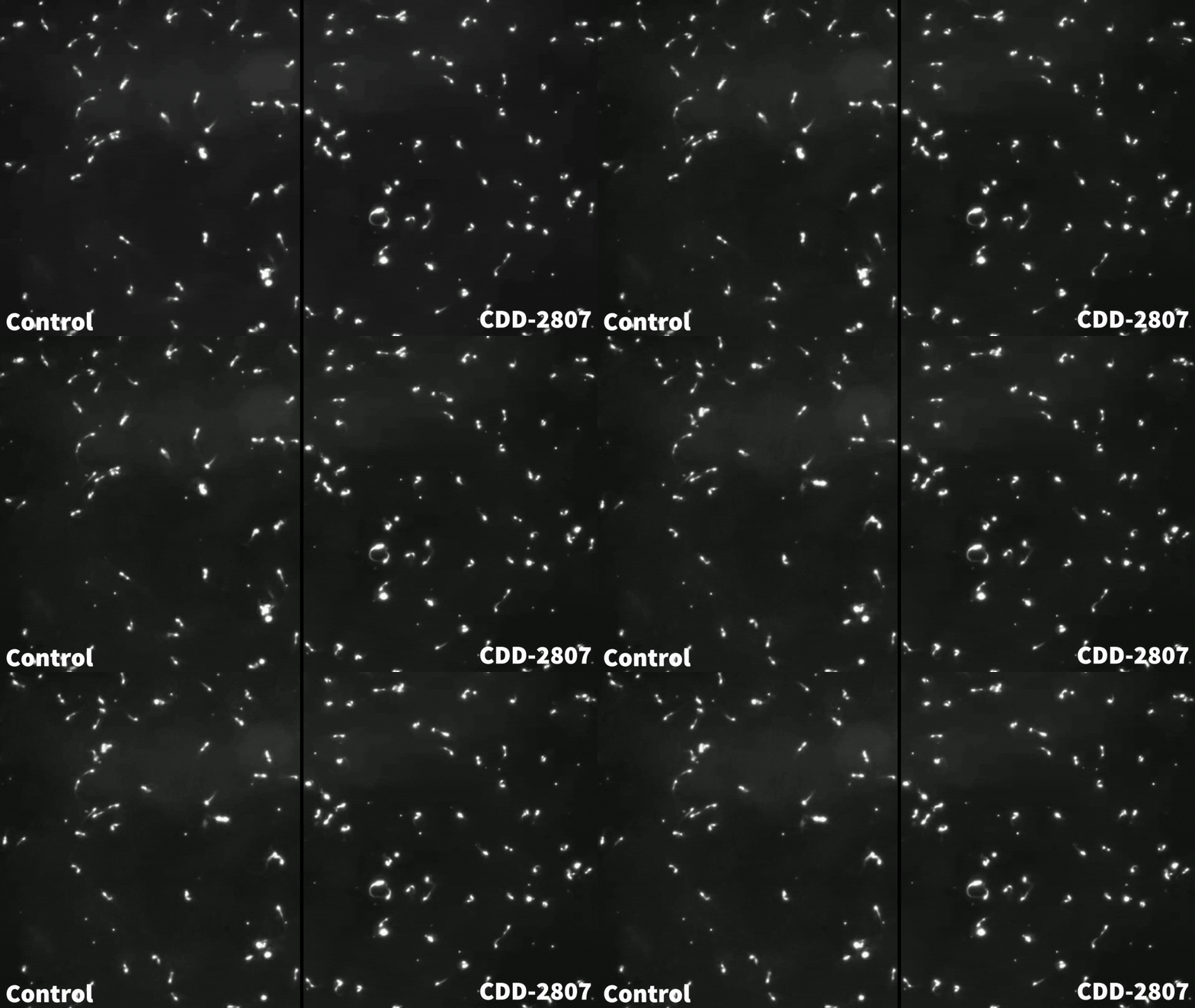
Microscopic image showing the effects of compound CDD-2807 on sperm motility.
Friday, May 17, 2024
How ‘Idle’ Egg Cells Defend Their DNA From Damage by toxic proteins for decades
Amazing stuff! Wonders of life!
"Recently, in a study published in Cell, researchers discovered how mouse oocytes keep DNA safe from damaging proteins. The cells construct special compartments within themselves to temporarily sequester the proteins. Then, heeding a molecular signal, the storage units disperse all at once, practically vanishing along with their dangerous cargo. Thus cleaned, the oocyte is left to mature safely. ..."
"Oocytes are immature egg cells that develop in almost all female mammals before birth. The propagation of future generations depends on this finite reserve of cells surviving for many years without incurring damage. In mice, this can be a period of up to eighteen months, while in humans it can last almost half a century, the average time between birth and menopause. How the cells accomplish this remarkable feat of longevity has been a longstanding question. ..."
From the highlights and abstract:
"Highlights
• Mouse oocytes store protein aggregates in endolysosomal vesicular assemblies (ELVAs)
• ELVAs harbor endolysosomes, autophagosomes, and proteasomes in a liquid-like matrix
• ELVAs degrade aggregates upon oocyte maturation to promote healthy embryogenesis
• Retention of protein aggregates in the embryo leads to early embryonic arrest
Summary
Oocytes are among the longest-lived cells in the body and need to preserve their cytoplasm to support proper embryonic development. Protein aggregation is a major threat for intracellular homeostasis in long-lived cells. How oocytes cope with protein aggregation during their extended life is unknown. Here, we find that mouse oocytes accumulate protein aggregates in specialized compartments that we named endolysosomal vesicular assemblies (ELVAs). Combining live-cell imaging, electron microscopy, and proteomics, we found that ELVAs are non-membrane-bound compartments composed of endolysosomes, autophagosomes, and proteasomes held together by a protein matrix formed by RUFY1. Functional assays revealed that in immature oocytes, ELVAs sequester aggregated proteins, including TDP-43, and degrade them upon oocyte maturation. Inhibiting degradative activity in ELVAs leads to the accumulation of protein aggregates in the embryo and is detrimental for embryo survival. Thus, ELVAs represent a strategy to safeguard protein homeostasis in long-lived cells."
How Oocytes Outsmart Toxic Proteins To Preserve Long-Term Female Fertility (original news release) How Oocytes Outsmart Toxic Proteins to Preserve Long-term Female Fertility
Graphical abstract

Friday, March 22, 2024
Why Do Male Organisms Exist?
Recommendable! However, the article does not really contribute anything new to the subject it seems.
One day in the not so distant future natural reproduction for humans will most likely be a thing of the past. What evolution did in hundreds of millions of years, humans can do better and faster!
"In recent years, more and more instances of parthenogenesis have emerged as “virgin births” in crocodiles, condors, and king cobras. While these animals can create babies without males in a pinch, a few other species have fully committed to parthenogenesis, going male-free for more than a million years.1
“There are a lot of advantages to getting rid of males and just reproducing by parthenogenesis,” said Michael Kearney, a physiological ecologist at the University of Melbourne. “The most powerful one is that everybody in the population is producing offspring, so the population growth rate doubles.” Parthenogenesis also protects animals from the dangers of sex, including exposure to predators and sexually transmitted infections.
At least in the short-term, this can be a highly successful strategy: Warramaba virgo, an all-female grasshopper species, hasn’t had sex in a quarter million years and appears to be thriving. Although single nucleotide polymorphism analysis revealed much less genetic variation in W. virgo compared to closely related sexual species, when ... colleagues investigated 14 fitness-related traits, including heat and cold tolerance, reproductive output, and longevity, they found that the parthenogens were on par with their sexually-reproducing relatives. ...
And indeed older parthenogenic species may feel these costs: Some parthenogens have higher parasite loads, fewer positively selected genes, and a faster accumulation of deleterious mutations than their sexually-reproducing relatives. ..."
And indeed older parthenogenic species may feel these costs: Some parthenogens have higher parasite loads, fewer positively selected genes, and a faster accumulation of deleterious mutations than their sexually-reproducing relatives. ..."
Wednesday, February 21, 2024
Researchers develop world's first test-tube testicles
Amazing stuff! Homunculus is coming closer one organoid at a time!
"The world’s first test-tube testes have been created by a group of researchers at Bar-Ilan University, signaling a huge advancement in several key fields of research such as fetal sex determination, male infertility solutions, and strategic conversation starters to get yourself excused from the Thanksgiving dinner table. ..."
"... are testis organoids – tiny, artificial organs produced from real mouse testis. Development of organoids has greatly advanced in the last decade with the realization that two-dimensional cellular sample in vitro cannot mimic the behavior of an entire organ. Today, organoids of the brain, kidneys, intestines, and other organs have already been produced. The testicular organoids created by Gonen's group closely simulate a natural testicle. ..."
From the abstract:
"The testis is responsible for sperm production and androgen synthesis. Abnormalities in testis development and function lead to disorders of sex development and male infertility. Currently, no in vitro system exists for modelling the testis. Here, we generated testis organoids from neonatal mouse primary testicular cells using transwell inserts and show that these organoids generate tubule-like structures and cellular organization resembling that of the in vivo testis. Gene expression analysis of organoids demonstrates a profile that recapitulates that observed in in vivo testis. Embryonic testicular cells, but not adult testicular cells are also capable of forming organoids. These organoids can be maintained in culture for 8-9 weeks and shows signs of entry into meiosis. We further developed defined media compositions that promote the immature versus mature Sertoli cell and Leydig cell states, enabling organoid maturation in vitro. These testis organoids are a promising model system for basic research of testes development and function, with translational applications for elucidation and treatment of developmental sex disorders and infertility."
Bar-Ilan University researchers produce “laboratory testicles” The artificial testicles will contribute to the advancement of research in male fertility and sexual development disorders, and are expected to facilitate the eventual production of sperm in the laboratory
Caption: A bright field image of a testicular organoid created from mouse embryos and incubated in a dish for 14 days. The tubular structures formed in the dish are clearly visible.

Graphical abstract

Friday, September 22, 2023
$1,895 The price for California Cryobank’s most popular vials of sperm
News from the sunshine sperm state!
"The price for California Cryobank’s most popular vials of sperm, up from around $1,000 in 2021. Supply is declining because of increased genetic screening that weeds out some would-be donors and others who bow out because they don’t want future children to find them through low-cost DNA tests. At the same time, demand, especially from LGBTQ couples and single parents by choice, is soaring."
Saturday, August 26, 2023
Sense of touch: Good vibrations and sexual pleasure
Amazing stuff!
"Sexual reproduction is essential for the survival of most species and is the principal driver of animal behavior and evolution. Mammals evolved to have elaborate mating rituals that involve visual, auditory, and olfactory displays. One of the most important elements of mating and copulation is touch, and for many humans, vibration too. Piezo-type mechanosensitive ion channel component 2 (PIEZO2) is a fundamental transducer of touch and vibration for the sensory neurons that innervate the skin. Although there is considerable literature on the role of PIEZO2 in various bodily functions, less is known about its role in genital touch. On page 906 of this issue, Lam et al. (1) reveal the necessity of PIEZO2 for sexual touch and copulation in mice and humans. Their results both illustrate how sensory neurons in the genital sub-regions can detect gentle stimuli that promote sexual response, and suggest possible therapeutic targets for sexual dysfunction."
From the editor's note and the abstract:
"Editor’s summary
It is well known that the genitals are unusually sensitive, and that genital touch is crucial for mating and associated pleasure, but the underlying basis is not completely understood. By studying mice and humans with a rare inherited mechanosensory syndrome, Lam et al. identified a mechanism involving the mechanoreceptor PIEZO2 that is responsible for determining genital sensitivity ... Their results highlight the importance of touch for driving physiological responses needed for sexual function. The identification of PIEZO2 and a specific type of touch neuron as key mediators might help in the development of therapeutic approaches for both hypo- and hypersensitivity that interfere with the enjoyment of sex. ...
Abstract
Despite the potential importance of genital mechanosensation for sexual reproduction, little is known about how perineal touch influences mating. We explored how mechanosensation affords exquisite awareness of the genitals and controls reproduction in mice and humans. Using genetic strategies and in vivo functional imaging, we demonstrated that the mechanosensitive ion channel PIEZO2 (piezo-type mechanosensitive ion channel component 2) is necessary for behavioral sensitivity to perineal touch. PIEZO2 function is needed for triggering a touch-evoked erection reflex and successful mating in both male and female mice. Humans with complete loss of PIEZO2 function have genital hyposensitivity and experience no direct pleasure from gentle touch or vibration. Together, our results help explain how perineal mechanoreceptors detect the gentlest of stimuli and trigger physiologically important sexual responses, thus providing a platform for exploring the sensory basis of sexual pleasure and its relationship to affective touch."
PIEZO2 and perineal mechanosensation are essential for sexual function (no public access)

Subscribe to:
Posts (Atom)