Showing posts with label medicine. Show all posts

Tuesday, April 28, 2026

Research improves molecular probe of protein binding sites for drug discovery

Good news!

"... The invention works with an existing lab method called photo-crosslinking. Leaving behind a clean, uniform chemical signature, the technology allowed the team to directly compare how different molecules compete for the same binding site on a protein, all in a single experiment. Because most small-molecule drugs act by binding to specific protein targets, finding precisely where these molecules bind is a major benefit for drug discovery.

As proof of concept, the team analyzed the activity of dasatinib and ascinimib, two cancer drugs that target different sites on the same protein, a type of enzyme called a kinase that, when mutated, causes leukemia.
The results coincided with known interactions for each drug and revealed previously unknown interactions. The newer drug, ascinimib, which has a more favorable safety profile and fewer side effects, showed fewer off-target kinase interactions. ...

new technology, called SEE-CITE, is giving the molecule being studied the ability to detach from its payload so that each tagged molecule leaves behind a consistent calling card. This makes possible quantitative measurements and comparisons of how strongly different molecules engage a given binding site. The team also upgraded a widely used software tool to better interpret the complex data this method generates. ..." 

From the abstract:
"For chemical probe and drug discovery campaigns, the pairing of mass spectrometry-based chemoproteomics with photoaffinity labelling has emerged as a favoured approach for target discovery and mode of action assignment. However, photocrosslinked peptide-compound adducts raise analytic challenges for quantitative binding site discovery.
Here, to address these challenges, we establish the Silyl Ether Enables Chemoproteomic Interaction and Target Engagement (SEE-CITE) method. SEE-CITE incorporates a fully functionalized chemically cleavable photocrosslinking handle that enables precise site-of-labelling identification and head-to-head comparisons of relative binding site engagement by chemically diverse compounds.
To ensure high-confidence localization of labelled residues, we extended the MSFragger algorithm of the FragPipe computational platform to report localization scores customized for photoaffinity labelling and SEE-CITE data.
When applied to scout fragments and analogues of select FDA-approved kinase inhibitors, SEE-CITE delineates known drug binding sites and uncovers small-molecule binding sites that affect the protein activity of RTN4 and COX5A."

UCLA research improves molecular probe for drug discovery | UCLA


Fig. 1: Establishing the SEE-CITE interaction site mapping platform using scout SEE-CITE probes.


Fig. 3: SEE-CITE mapping of ABL1 binding sites.


Monday, April 27, 2026

Why are primary cardiac cancers in mammals so rare? It is the rhytmic beating heart!

Good news! Cancer is history (soon)!

"Primary cardiac tumors—cancers that develop in the heart—are exceptionally rare. New research in Science suggests that this low incidence may be because the heart beats: The continuous mechanical stress seems to stymie cancer growth.

In one experiment, researchers introduced potent cancer-driving mutations into mice that often develop tumors. Cancers occurred elsewhere in the body, but not in the heart. The team next created a side-by-side comparison within the same animal by observing a native heart still pumping under normal strain, and a donor heart kept alive with blood flow but without having to do the mechanical work of pumping. Tumors grew preferentially in the lower-strain heart.

Researchers saw the same effect after injecting several types of human cancer cells directly into heart tissue: In beating hearts, many remained as only small clusters, while in less-strained hearts, they grew larger.

Further analyses showed that cancer cells in beating hearts had weirdly shaped nuclei, condensed chromatin, more tightly packed DNA, and lower activity in genes tied to growth and cell division.

The team also rhythmically stretched cancer cells in the lab and concluded that strain alone could reproduce some of these antigrowth features. ... the team is already testing prototype devices designed to rhythmically compress superficial tumors, in the hopes of recreating the heart’s protective mechanism. ... it may be possible to recreate the effect of mechanical strain pharmacologically, providing new avenues for cancer treatments."

"... The rhythmic beating of the heart may play an unexpected role in protecting it from cancer. An international study ... demonstrates that the mechanical forces generated by cardiac contraction can significantly slow tumour growth in both mouse and human hearts. ..."

From the abstract (Perspective):
"Heart cancer is very rare in mammals. Moreover, the healthy adult heart does not regenerate. Human heart cells (cardiomyocytes) renew at an ~1% rate per year. The high mechanical load placed on cardiac tissue, which must overcome strong resistance to pump blood to all body organs, has been proposed to inhibit cardiomyocyte proliferation. Indeed, reducing the mechanical load on the heart promotes the expression of cell cycle markers in cardiomyocytes of patients whose hearts were unloaded by a ventricular assist device. ... report that the constant mechanical load to which cardiac tissue is subjected also inhibits the proliferation of cancer cells in the heart."

From the editor's summary and abstract:
"Editor’s summary
It is very rare for cancer to either form in or metastasize to the heart, suggesting that there is something that inhibits cancer growth in the cardiac microenvironment.
A key potential explanation is mechanical load. Ciucci et al. tested this idea by introducing cancer cells into rodent hearts and then in vitro engineering cardiac models with or without normal mechanical load.
They also compared human tissue samples from rare cardiac metastases and corresponding extracardiac tumors. The authors determined that increased mechanical load promoted Nesprin-2 signaling, which then led to changes in chromatin compaction and histone methylation, resulting in the suppression of cancer growth  ...

Structured Abstract
INTRODUCTION
The heart is rarely affected by cancer; both primary cardiac tumors and metastases are uncommon despite the high vascularization of the myocardium. The mechanisms underlying this resistance remain unclear.

RATIONALE
Mechanical load has been proposed as a major mechanism halting cardiomyocyte proliferation early after birth, thus limiting the regenerative potential of the adult mammalian heart. We hypothesized that it could similarly hamper the proliferation of cancer cells in the heart.

RESULTS
We first used an in vivo genetic model of cancer in mice, in which Cre-mediated recombination results in the overexpression of mutated K-Ras and deletion of p53, to confirm that the heart resists oncogenic events. Despite a comparable extent of recombination in liver, heart, and skeletal muscle, multiple cancers arose at different anatomical sites but never in the heart.
In addition, we set up a mouse model of heterotopic heart transplantation to mechanically unload the heart in vivo. In this model, the aorta and pulmonary artery of the transplanted heart are surgically connected with the carotid artery and external jugular vein of the recipient animal, respectively, thereby restoring perfusion in the absence of mechanical load within the left ventricle. In parallel, we used engineered heart tissues in which mechanical load can be controlled at will.
In these models, mechanical load inhibited, whereas tissue unloading promoted the proliferation of lung adenocarcinoma, colon carcinoma, and melanoma cells within the myocardium.
To investigate the mechanisms underlying these effects, we used spatial transcriptomics to analyze samples of human cancers that gave rise to both cardiac and extracardiac metastases. We found that cardiac metastases shared a common transcriptional profile, independent from the origin of the primary tumor. Among the most up-regulated genes in cardiac metastases were histone demethylases. Consistently, cardiac metastases showed reduced histone 3 lysine 9 trimethylation and reduced chromatin compaction. Similar findings were observed in our experimental models of cardiac load modulation in which chromatin accessibility and histone methylation were altered at sites controlling cancer cell proliferation, as determined by single-nuclei assay for transposase-accessible chromatin with sequencing and chromatin immunoprecipitation sequencing. Nesprin-2, a protein known to mediate mechanotransduction from the cytoplasm to the nucleus, emerged as a key molecule sensing mechanical forces operating in beating hearts and translating them into reduced cell proliferation.
Silencing of Nesprin-2 in lung cancer cells prior to their implantation in the heart in vivo restored the capacity of the cells to proliferate in the presence of physiological mechanical load, resulting in the formation of large tumors.

CONCLUSION
Collectively, these results shed light on the role of mechanical forces in protecting the heart from cancer and may pave the way to cancer therapies based on mechanical stimulation."

ScienceAdviser

Heartbeat’s Mechanical Force Found to Suppress Tumour Growth (original news release)

The heart puts pressure on cancer growth (Perspective, no public access) "Mechanical forces in the heart prevent tumor expansion in mice"

Graphene oxide targets and destroys bacteria, including drug-resistant strains

Good news! Could this be a breakthrough regarding antibiotics?

"Researchers say graphene oxide targets and destroys bacteria, including drug-resistant strains, by binding to a molecule absent in human cells, offering a durable alternative to antibiotics."

"Scientists have uncovered how graphene oxide pulls off a remarkable trick: it hunts down and destroys harmful bacteria while leaving human cells completely unharmed. By targeting a molecule found only in bacterial membranes, this ultra-thin carbon-based material acts with laser-like precision—offering a powerful new alternative to traditional antibiotics. Even more exciting, it works against drug-resistant “superbugs,” promotes faster wound healing, and keeps its antibacterial strength even after repeated washing."

"...  a joint research team ... has identified the mechanism by which Graphene Oxide (GO) exhibits powerful antibacterial effects against bacteria while remaining harmless to human cells. ...

This study is highly significant as it provides molecular-level proof of graphene's antibacterial action, which had not been clearly understood until now.

The research team confirmed that graphene oxide performs "selective antibacterial action" by attaching to and destroying only the membranes of bacteria ... while leaving human cells untouched. This occurs because the oxygen functional groups on the surface of graphene oxide selectively bind with a specific component (POPG) found only in bacterial cell membranes. ..."

From the abstract:
"Graphene oxide (GO) has attracted research attention as a promising biomedical material principally owing to its biocompatibility as well as excellent antibacterial properties, although the exact mechanism for the apparently conflicting both activities remains controversial yet.
We present controlled physicochemical and biomimetic features of GO that exert antibacterial effects via selective destabilization of the bacterial membrane.
Our model cell study, exploiting artificial vesicular phospholipid assembly along with spectroscopic analyses, finds that surface oxygen functionalities of GO determine antibacterial activity by highly specific interaction with POPG, a phospholipid selectively present in membranes of various bacterial species, including drug-resistant bacteria.
Furthermore, GO-incorporated nanofibers were evaluated in infected wound models in mice and pigs, where they effectively suppressed bacterial growth and accelerated wound healing with minimal inflammation.
These findings highlight the potential use of GO as a safe and sustainable antibacterial to avoid repeated overuse of conventional antibiotics."

Monday, April 27, 2026 - Join The Flyover


Schematic diagram of the selective interaction between graphene oxide and cell membranes


Identification of selective interaction mechanisms at the molecular level through microscopic and chemical analysis of artificial lipid vesicles mimicking cell membranes


Sunday, April 26, 2026

One of cholera’s great enemies is found in the human gut, a bacteriophage

Recommendable!

"... found that in the Ganges Delta, cholera bacteria rapidly gain and lose special armour that protects against attacks from the virus, known as bacteriophage ICP1.

The new research ... highlighted that maintaining these anti-viral defences leads to lower disease severity of cholera in humans and reduced ability to spread outside the country for this bacterial strain. ...

By looking at the ecology of cholera in South Asia, this study challenges the long-held belief that the Ganges Delta is the global source of cholera. Knowing more about the strains and the factors that influence the spread of cholera bacteria in different regions could help provide an early warning system, identifying high-risk strains before they escalate and allowing for early intervention. ...

Globally, we are in the seventh cholera pandemic, which started in 1961, with an estimated 1.3 to 4 million cases and up to 143,000 deaths per year from the condition worldwide. It has been shown that the seventh pandemic is caused by V. cholerae strain 7PET O1, originating from the Bay of Bengal, which borders Bangladesh and India, and it was thought that the Ganges Delta was the global source of cholera.

This new research sequenced bacterial samples from across Bangladesh and North India, creating the most comprehensive dataset of cholera in this area to date, containing over 2,300 genomes collected across approximately 20 years. They found that it was the Ganges Basin, not the Ganges Delta, that was the primary global source of cholera in that time.

By tracking the bacterial spread, they also uncovered that the bacteria do not simply follow the flow of rivers. Instead, they tend to stay within national borders, suggesting that human travel and population density are more important for cholera transmission than the natural environment.

They also found V. cholerae in Bangladesh, strain 7PET O1, rapidly gain and lose genetic elements known as defence systems, which act like armour helping them survive against their viral nemesis, the bacteriophage ICP1. ..."

From the abstract:
"The seventh pandemic of cholera, caused by the seventh pandemic El Tor lineage of Vibrio cholerae, was previously shown to have emanated in three global waves from the Bay of Bengal, bordering Bangladesh and India.
However, the respective roles of the Ganges Delta and Basin regions in seeding these global pandemic waves were not known.
Here we show that, although transmission events occur between Bangladesh and India, V. cholerae in the two countries has largely evolved separately over the past 20 years, apparently constrained by national borders rather than by hydrological features, such as the Ganges Delta and Basin.
Evolution within Bangladesh was distinct from that seen in India, involving rapid gain and loss of genes and mobile genetic elements, particularly those involved in phage defence. The loss of these systems was associated with increased risk of severe disease and transmission outside Bangladesh.

Lineage replacement in Bangladesh in 2018, resulting in a major change in phage defence systems, was accompanied by a rapid change in the lineage and anti-defence system of lytic phage ICP1.
Here we show that the Ganges Basin, falling across Bangladesh and Northern India, rather than the Ganges Delta, probably acts as a global launch pad for pandemic disease. This shifts our understanding of Bangladesh as the purported global source of cholera and underscores the potential role of phage in controlling spread of lineages within the current seventh pandemic."

One of cholera’s great enemies is found in the human gut "Cholera-causing bacteria are locked in an evolutionary arms race with a viral nemesis, according to a new genomic study."


Fig. 1: Dynamics of V. cholerae sublineages in Bangladesh and their genetic profiles over time.


Friday, April 24, 2026

Hidden mutations in immune cells linked to autoimmune disease

Good news! This could be a breakthrough!

"New research suggests that autoimmune diseases may be driven by DNA mutations in immune cells that remove the natural brakes on the immune system. It reveals a previously hidden role for somatic mutations — DNA changes acquired throughout life — in diseases beyond cancer.

Researchers ... used a series of cutting-edge techniques to identify previously unseen changes in DNA that may contribute to thyroid autoimmunity, where the immune system attacks the thyroid gland. ...

The researchers used several advanced DNA analysis techniques.
Firstly, they used a method called NanoSeq, which they recently developed and allows detection of rare mutations invisible to traditional DNA sequencing methods, to look for genetic changes that may drive the disease. They found that many B cells had developed inactivating mutations in key genes that normally control the immune system.

Next, using additional methods that look at the DNA of individual cells and microscopic areas of tissue, the researchers found that many B cells in each patient carried several mutations in key genes.
Two critical immune-checkpoint genes, TNFRSF14 and CD274 (or PDL1), were often lost independently in multiple clones of mutated B cells in each patient. Some of these clones had even acquired as many as six driver mutations over many years, silently building up changes in DNA before symptoms appeared, a highly unexpected observation outside of cancer.
Importantly, artificial inactivation of these genes, in experimental studies or during cancer immunotherapy, is known to cause thyroid autoimmunity. The researchers have now found frequent mutations in these genes occurring in autoimmune patients. ..."

From the abstract:
"Our immune system contains multiple checkpoints to prevent the activation of self-reactive lymphocytes. How some lymphocytes escape these constraints to cause autoimmune disease remains poorly understood. A long-standing hypothesis posits that somatic mutations in immune-regulatory genes may enable self-reactive lymphocytes to bypass tolerance checkpoints1–3, but testing this has been challenging due to technical limitations.
Here, we use whole-exome and targeted NanoSeq, an accurate single-molecule DNA sequencing protocol, to comprehensively search for driver mutations in autoimmune thyroid disease. This revealed many B cell clones convergently acquiring loss-of-function mutations in the key immune checkpoint genes TNFRSF14 (HVEM) and CD274 (PD-L1), as well as less frequent mutations in other immune genes.
In highly inflamed biopsies, we detected tens to hundreds of independent immune checkpoint mutant clones. Laser microdissection, methylation sequencing, spatial transcriptomics, immunostaining, single-nucleus DNA sequencing, and antibody synthesis localised these mutations to B cells, confirmed some to be self-reactive, and identified clones carrying multiple hits.
We found widespread TNFRSF14 biallelic loss, and clones with as many as 4-6 driver mutations. Whilst each clone accounts for a small fraction of cells (typically <1%), the myriad mutant clones in each donor amounted to a substantial fraction of B cells harbouring driver mutations.
Our results support the hypothesis that somatic mutations in autoimmune lymphocytes may allow them to escape tolerance constraints through a polyclonal cascade of somatic evolution, providing new insights into the molecular basis of autoimmune disease."

Hidden mutations in immune cells linked to autoimmune disease "Mutations in immune cells may be the missing piece in the autoimmune disease puzzle."

President Trump likes weed by reclassifying marijuana as a less dangerous drug

Good news! Bravo! Finally, this very long overdue correction has been made!

"Yes, since the passage of the Controlled Substances Act of 1970 (enacted in 1971), the U.S. federal government has classified cannabis as a Schedule I drug, placing it in the same category as heroin, LSD, and ecstasy" (Google AI)

"The Trump administration is reclassifying marijuana as a less dangerous drug.
The move marks a significant policy shift that could make it easier to buy and sell pot as well as reward cannabis-industry investors.
Weed has been classified the same way as LSD and heroin since 1970. The downgrade makes it possible to obtain the drug for medical reasons with a prescription; recreational use remains illegal under U.S. law. Doctors and researchers say marijuana can pose real risks to people’s health."

Wednesday, April 22, 2026

Nuclear magnetic resonance (NMR) is coming back into vogue among drug developers

Good news!

"Nuclear magnetic resonance (NMR) could be on the brink of a renaissance among drug developers.

For decades, other techniques that assess the structure of drugs — such as X-ray crystallography and, more recently, cryo-electron microscopy — have overshadowed NMR because of its complexity and slowness.

But over the past five years, a suite of contract research organizations (which manage research for drug companies) have been founded with the aim of bringing NMR back into the limelight as the technology improves, to help drug discovery.

Meanwhile, NMR has been used to uncover a completely new conformational state in a group of proteins strongly linked with cancer progression. The newly discovered ‘invisible fold’ in kinases could help make kinase inhibitors more selective. “Conformational dynamics in drug discovery are critical and underappreciated,” ..." 

Nature Briefing: Translational Research

NMR-as-you-go for drug hunters (no public access) "Craving speed and convenience, biopharma companies turn to providers with NMR know-how."

Tuesday, April 21, 2026

Trump expedites review of psychedelics to treat mental health disorders funded with $50 million

Good news! A nation of junkies by executive order? Just kidding!

We ought to find better cures than administering psychedelic drugs!

"President Trump has signed an executive order to make certain psychedelic drugs more available to treat mental health conditions, such as depression and anxiety. He directed $50 million in federal funds to make them more accessible, and ordered the Food and Drug Administration to fast track a review of such drugs as psilocybin and ibogaine.

"Can I have some, please?" Trump joked to a laughing audience in the Oval Office. ..."

Trump expedites review of psychedelics to treat mental health disorders : NPR


Designing better weapons to fight prostate cancer based on distinct tissue niches

Good news! Cancer is history (soon)!

"... A new study in the journal Immunity reveals that the prostate has its own defense force and unlocks key insights into how this army of cells, known as tissue-resident memory CD8 T cells, or Trm cells, works.

“We found that different types of T cells live in different areas, or neighborhoods, within the tissue, and where they live determines how they behave,” ..."

From the highlights and abstract:
"Highlights
• Long-lived prostate Trm cells protect against reinfection
• The prostate Trm population is heterogeneous in mice and humans
• IL-15, IL-7, and TGFβ differentially regulate prostate Trm cell subsets
Distinct prostate cytokine and chemokine niches define Trm cell heterogeneity

Summary
The prostate is an important exocrine organ, a barrier tissue of the male reproductive system, and a common site of malignancy, yet CD8+ T cells in the prostate remain largely uncharacterized.
Here, we show that a protective, heterogeneous pool of long-lived, tissue-resident memory CD8+ T (Trm) cells forms in the prostate following acute infection in mice.
Characterization of prostate Trm cell differentiation over time, combined with functional interrogation of TGFβ, IL-7, and IL-15 signaling, revealed niche-dependent phenotypic and functional diversity arising from distinct prostate stromal and glandular epithelial niches in both mice and humans
For instance, the Trm-promoting cytokines IL-15 and TGFβ were highest in the prostate epithelium, where CD8+ T cells were most persistent, cytotoxic, and enriched for the Trm molecular program.
In sum, we provide a spatial framework for prostate Trm cell differentiation, charting the discrete tissue regions that influence T cell fate through dynamic regulation of localized signals."

Designing better weapons to fight prostate cancer - Allen Institute "New study unlocks key insights that could help develop next-generation immunotherapies"


Graphical abstract


Ten different animal species feast on bats in a Ugandan cave offering clues to how deadly viruses spread

Serious stuff!

"When researchers in Uganda set up camera traps to monitor African leopards (Panthera pardus pardus) and spotted hyenas (Crocuta crocuta) in a national park last year, they had no idea that they would record so much more than just those animals. Several of the traps, placed outside a cave known to host Egyptian fruit bats (Rousettus aegyptiacus), caught on video a multitude of creatures feasting on the winged mammals. The bats are known carriers of Marburg virus, which can transfer into humans and cause a fatal haemorrhagic fever, so the footage offers real-time insight into how disease can spread.

Scientists know that bats can transmit viruses to humans either directly, or through an intermediate animal, from forensic detective work and other studies. The team in Uganda thinks this is the first time that potential intermediate animals have been caught on camera in a known hotspot for Marburg virus, which is in the same family as Ebola virus. ..."

‘Bat feast’ animal videos at African cave offer clues to how deadly viruses spread (partially behind paywall) "Researchers filmed 10 species eating or scavenging bats at known Marburg-virus hotspot — and caught hundreds of humans visiting."

Monday, April 20, 2026

Discovery could lead to new therapies for blood disorders

Good news!

"... investigators have revealed the detailed workings of a cell membrane protein that has essential roles in all animals. The discovery could lead to new therapeutic strategies for blood coagulation disorders, cancers and other conditions in which the protein, called a TMEM16 scramblase, works abnormally.

Scramblases operate within cell membranes, where they alter or “scramble” the normal layered arrangement of lipid molecules – an essential step in many biological processes. The scramblase TMEM16F also works as an ion channel, allowing small, charged molecules such as potassium or chloride ions through the membrane. ...

the researchers at last attained this goal by embedding the protein in liposomes – tiny lipid capsules – which allowed them to image its active and inactive structures at near-atomic-scale resolution. ...

TMEM16F’s rearrangement of cell membrane lipids enables platelet cells to clump together to make blood coagulate, and a mutation affecting the scramblase underlies Scott syndrome, a hemophilia-like bleeding disorder.
The protein is also involved in the formation of the placenta in pregnancy, bone development and immune functions; and it is exploited or suppressed in various cancers and infections. ..."

From the abstract:
"The ubiquitous transmembrane protein 16F (TMEM16F) Ca2+-activated channel and scramblase catalyzes phosphatidylserine externalization to enable blood coagulation, membrane fusion and brain immune surveillance.
Despite its importance, the molecular mechanisms underlying TMEM16F activation remain poorly understood.
Here, we obtained high-resolution cryo-electron microscopy structures of TMEM16F active in liposomes. In high-activity conditions, TMEM16F adopts two conformations, the canonical Ca2+-bound closed state and one where the upward rotation of the cytosolic domain leads to an X-shaped groove that forms a transmembrane pore and locally thins the membrane.
Using mutagenesis, functional assays and molecular dynamics simulations, we show that the X-shaped groove is active and mediates nonselective ion flux and lipid scrambling through distinct pathways; ions move within the protein-delimited pore, whereas lipids skirt the X-shaped groove.
Our findings provide a complete picture of TMEM16F Ca2+-dependent gating and demonstrate that imaging membrane proteins in a native-like environment can allow capturing otherwise inaccessible active states."

Discovery could lead to new therapies for blood disorders | Cornell Chronicle


Fig. 1: Structure of purified TMEM16F reconstituted in liposomes.


Fig. 5: Activation of TMEM16F.


Sunday, April 19, 2026

Organ donations have surged in the United States, partly thanks to improved harvesting methods

Good news!

"Organ donations have surged in the United States, partly thanks to improved harvesting methods.

Until recently, most organs came from donors who were brain dead but kept on life support, with their circulatory systems still functioning.

Over the past decade, however, advances in organ preservation and recovery have made it increasingly feasible to recover organs after circulatory death [DCD], when the heart has stopped and preservation becomes far more difficult.

A recent study finds that in 2000, just 2 percent of donors fell into this category;
by 2025, that had risen to 49 percent, with the number of such donors rising from 118 to 8,129."

"... Recent innovations have facilitated recovery from medically complex DCD donors.
Normothermic regional perfusion, in which perfusion is restored in situ to limited organs after circulatory death, contributed to the rise in recovery of DCD organs since its use began increasing in 2019.
The regulatory approval of normothermic machine perfusion for livers (2021) contributed to the subsequent acceleration of DCD liver recovery, and normothermic machine perfusion enabled the advent of DCD heart transplantation in 2019.” "

"... By contrast, donation after circulatory death involves donors who do not meet criteria for brain death and who cannot be kept alive without life support machines. In these cases, if the family chooses to stop life support, it is then given the option to do so in an operating room instead of the intensive care unit.
If the patient dies within a set time after support is removed, organs can be recovered and used for transplantation, preserving the opportunity to donate according to the wishes of the family and the patient. ...
"

From the abstract:
"Organ transplant improves survival and quality of life, but transplant access is limited by organ shortages.
Transplants in the US predominantly use deceased donor organs, including 75% and 94% of kidney and liver transplants, respectively, and all lung, heart, and pancreas transplants from 2018 to 2025. Improving transplant access therefore relies on expanding the deceased donor pool, including by increasing donation after circulatory death (DCD), in which organs are recovered from donors with irreversible loss of circulatory function.
Factors limiting DCD use include a higher risk of organ dysfunction compared with donation after brain death organs and the increased complexity of DCD organ recovery, which is not possible if the time between life support withdrawal and circulatory death is prolonged. Despite these limitations, the severe organ shortage combined with technological innovations that enhance DCD organ function have increased interest in DCD organ transplant by transplant programs and organ procurement organizations (OPOs), the federal contractors responsible for coordinating US organ recovery and allocation. This study aimed to describe secular trends in DCD donation."

Doomslayer: Progress Roundup

DCD Organ Donations Surge in the US

More Organ Donations Now Come from People Who Die After Their Heart Stops Beating (original news release) "As the Donor Pool Grows & More Lifesaving Transplants Become Possible, Public Education Is More Important Than Ever"

Changes in Organ Donation After Circulatory Death in the United States (open access)


DCD = donation after circulatory death, DBD = donation after brain death


AWS extends Ichilov AI medical collaboration for hospital to become cloud based

Good news!

"The new agreement is a continuation of a collaboration between the parties, in which Ichilov transferred all of its computer systems to the cloud, becoming one of the world’s first hospitals to do so."

AWS extends Ichilov AI medical collaboration - Globes "The new agreement is a continuation of a collaboration between the parties, in which Ichilov transferred all of its computer systems to the cloud, becoming one of the world’s first hospitals to do so."

Saturday, April 18, 2026

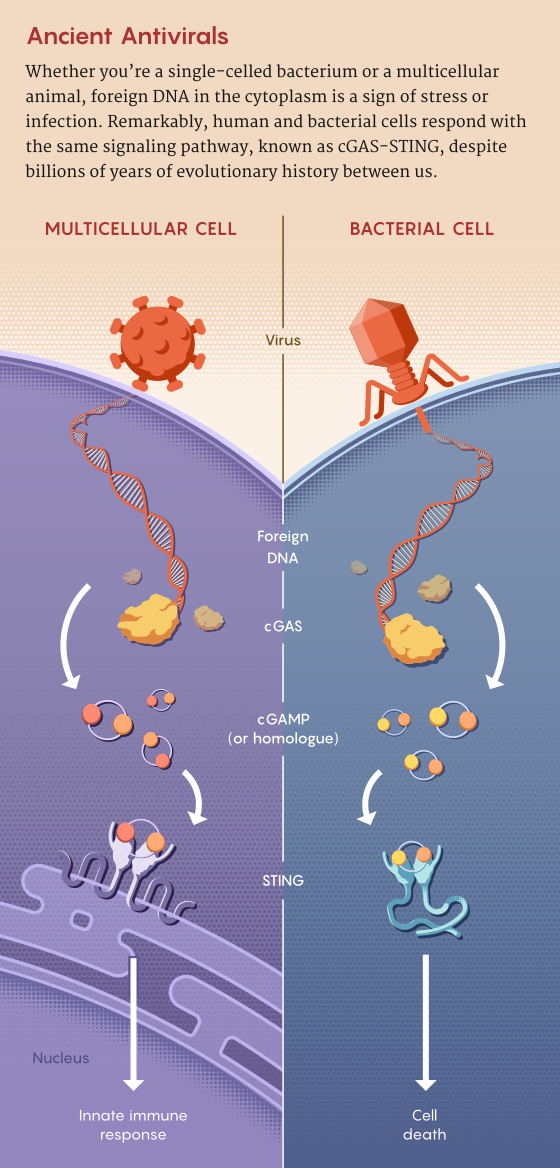
The Ancient Weapons Active in Your Immune System Today

Recommendable!

Caveat: I did not read the entire, long article!

"... In recent years researchers have come upon a surprising finding: Some of the machinery that bacteria use to defend against phages exists, almost unchanged, in our own cells. According to dozens of discoveries made over the past decade, the rules of engagement between cells and viruses were written billions of years ago and still largely define how our innate immune system, the first responder to infection, defends us against viruses and bacteria today. ...

Two recent waves of discovery broke this field open.
First, in 2018, researchers reported a variety of novel bacterial defense systems against viruses(opens a new tab), which now number in the hundreds.
The second wave, starting around 2019, showed that some of these bacterial mechanisms exist in plant and animal cells, including our own — and that they still work the same way they did in those distant ancestors. ...

These and other discoveries that followed reveal an unexplored landscape of human innate immunity — one that could lead to new medical treatments and biotechnological tools ...

A few years later, ... team observed that big constellations of immune genes, including restriction-modification enzymes and CRISPR arrays, tended to cluster together in the same region of bacterial genomes. He and other labs observed that genes of unknown function within these “defense islands” or “genomic islands” could potentially represent novel anti-phage mechanisms. ...

In 2018, his team showed that many of the unknown genes in these defense islands did, in fact, function as a variety of anti-phage defense systems. ..."

The Ancient Weapons Active in Your Immune System Today | Quanta Magazine "Dozens of new discoveries reveal that defenses evolved by bacteria and viruses billions of years ago still define our own innate immune system."


Remarkably, the core machinery of the STING protein (top, protein diagrams) has remained structurally preserved across diverse organisms, although the underlying gene sequence differs widely. Some parts of the protein (bottom, dashed outline) have changed over billions of years.


A nasal spray reversed brain aging and inflammation in just two doses

Good news! This could be a breakthrough!

"A nasal spray reversed brain aging and inflammation in just two doses, restoring memory and cognitive sharpness, in a Texas A&M study of mice that researchers say could reshape treatment for dementia."

"Summary: For decades, “neuroinflammaging”, the slow-burning inflammation that causes brain fog and memory decline, was considered an unavoidable part of getting older. However, a landmark study suggests the clock can be turned back.

Researchers developed a non-invasive nasal spray that uses microscopic “delivery parcels” to travel directly into the brain. With just two doses, the therapy dramatically reduced chronic inflammation, recharged cellular “power plants” (mitochondria), and restored memory and cognitive sharpness in aging models.

Key Facts

  • Rapid & Lasting Results: Significant cognitive improvements were observed within weeks and, remarkably, persisted for months after only two doses.
  • Universal Efficacy: Unlike many medical studies that show varying results by sex, this therapy proved equally effective in both males and females.
  • Behavioral Recovery: Treated models showed a restored ability to recognize familiar objects and adapt to changes in their environment—key indicators of a healthy, functioning memory center.
..."

From the abstract:
"Neuroinflammaging, a moderate, chronic, and sterile inflammation in the hippocampus, contributes to age-related cognitive decline.
Neuroinflammaging comprises the activation of the nucleotide-binding domain, leucine-rich repeat family, and pyrin domain-containing 3 (NLRP3) inflammasomes, and the cyclic GMP-AMP synthase (cGAS)-stimulator of interferon genes (STING) pathway that triggers type 1 interferon (IFN-1) signalling.
Studies have shown that extracellular vesicles from human induced pluripotent stem cell-derived neural stem cells (hiPSC-NSC-EVs) contain therapeutic miRNAs that can alleviate neuroinflammation.
Therefore, this study examined the effects of late middle-aged (18-month-old) male and female C57BL6/J mice receiving two intranasal doses of hiPSC-NSC-EVs on neuroinflammaging in the hippocampus at 20.5 months of age. Compared with animals receiving vehicle treatment, the hippocampus of animals receiving hiPSC-NSC-EVs exhibited reductions in astrocyte hypertrophy, microglial clusters, and oxidative stress, along with elevated expression of antioxidant proteins and genes that maintain mitochondrial respiratory chain integrity.
Moreover, hiPSC-NSC-EVs therapy decreased the levels of various proteins involved in the activation of the NLRP3 inflammasome, p38/mitogen-activated protein kinase, cGAS-STING-IFN-1, and Janus kinase and signal transducer and activator of transcription signalling pathways.
Furthermore, in vitro assays using genetically engineered RAW cells and hiPSC-NSC-EVs, with or without targeted depletion of specific miRNAs, demonstrated that miRNA-30e-3p and miRNA-181a-5p, both present in hiPSC-NSC-EVs, can significantly inhibit the activation of the NLRP3 inflammasome and the STING pathway, respectively. Additionally, single-cell RNA sequencing conducted 7 days post-treatment revealed that hiPSC-NSC-EVs induce widespread transcriptomic changes in microglia, including increased expression of numerous genes that enhance oxidative phosphorylation and reduced expression of abundant genes that drive multiple proinflammatory signalling pathways.
These changes mediated by hiPSC-NSC-EVs were also associated with improved cognitive and memory function.
Thus, intranasal hiPSC-NSC-EVs therapy in late middle age can effectively diminish proinflammatory microglial transcriptome and signalling cascades that drive neuroinflammaging in the hippocampus, contributing to better brain function in old age."

Wednesday, April 15, 2026 - Join The Flyover


Scientists reverse brain aging, with a nasal spray (original news release) "New therapy is turning back the clock in aging brains, healing inflammation, restoring memory and reshaping the future of brain age-related therapies."


Fig. 2 Intranasal administration of extracellular vesicles from human induced pluripotent stem cell-derived neural stem cells (hiPSC-NSC-EVs) to late middle-aged mice reduced hypertrophy of astrocytes and microglial clusters.


Friday, April 17, 2026

Growing engineered liver tissue on demand directly in the body

Good news!

"... “We asked if it would be possible to first implant a small-scale liver construct and then drive it to expand in the body following its engraftment. A sufficiently grown, functional ‘satellite liver’ could immediately relieve the metabolic burden in a damaged liver and help bridge the time until a transplant becomes available,”  ..."

From the abstract:
"Despite the promise of engineered tissue implants for the treatment of organ failure, scaling of these constructs to sizes of therapeutic relevance remains a barrier to clinical translation.
Here, we propose a strategy to circumvent this limitation: to instead implant a small-scale construct and then induce it to grow in situ after its engraftment into a host.
Using engineered liver tissue as a proof-of-concept application, we integrated synthetic biology and tissue engineering tools to build liver tissues that can be expanded on-demand after implantation in vivo.
To achieve this goal, we first identified the combination of Yes-associated protein (YAP) and growth factor (GF) signaling as sufficient to drive human hepatocyte proliferation in dense, three-dimensional engineered tissues.
We then engineered control of these signaling axes using synthetic biology tools to drive human liver tissue expansion both in vitro and in vivo.
As such, this work establishes a genetic strategy for generating large organ implants through bioengineered on-demand outgrowth via synthetic biology triggering (BOOST)."

Growing liver tissue on demand directly in the body "New study combines tissue engineering with synthetic biology tools to grow healthy liver tissue inside the body, and lays foundation for “smart” solid organ therapies"

Fig. 1. GF and YAP signaling synergize to induce proliferation of dense cultures of HEPs.


The genetic “BOOST” strategy, explained in his graphic, integrates tissue engineering and synthetic biology tools to enable on-demand liver growth inside the body. By specifically rewiring the gene expression of primary liver hepatocytes and supportive fibroblast cells, a tissue growth program is switched on in a small, engineered liver construct after its implantation into recipients and upon addition of an inducing agent (shown as a pill). As a result, the hepatocytes in the construct start and continue to proliferate until a desired construct size has been reached and the inducing signal is not provided anymore. In mice, BOOST resulted in robust and healthy liver growth.


Big Pharma Bets Big on AI

Good news!

"... What’s new: Pharma giant Eli Lilly agreed to give as much as $2.75 billion to Insilico Medicine, a Hong Kong-based biotechnology company that applies generative AI across its drug-discovery pipeline.
Initially, Lilly will pay $115 million for exclusive rights to develop and sell undisclosed drugs that have not yet been tested in humans, while further payments will be tied to developmental, regulatory, and commercial milestones ... 
This is the third agreement between the companies following an AI software license in 2023 and a $100 million research collaboration in November 2025.

AI drug-discovery: Founded in 2014, Insilico has used AI to develop 28 candidate drugs, roughly half of which are in clinical trials.
The most advanced one, Rentosertib, targets idiopathic pulmonary fibrosis (IPF), a disease in which scarring progressively reduces lung function. A Phase 2a trial (an early, small-scale test of efficacy) showed positive results.
A second drug, Garutadustat, which is intended to treat inflammatory bowel disease, entered Phase 2a in January 2026. ...

Insilico’s pipeline suggests generative AI can tackle one of the hardest problems in science: finding a molecule that binds to a particular protein, is absorbed by the body, isn’t toxic, and helps patients. ..."

Meta Pivots From Open Weights, Big Pharma Bets On AI, Regulatory Patchwork, Simulating Human Cohorts


Insilico Medicine pipeline


Scientists confirm precursor to commonest form of oesophageal cancer – offering opportunities to catch the disease early

Good news! Cancer is history (soon)!

"The findings, ... could help improve screening for and early detection of oesophageal cancer, the sixth most deadly cancer, helping improve outcomes for the disease.

Cancer of the oesophagus, including its most common form oesophageal adenocarcinoma (OAC) ...

To answer the question of whether Barrett’s oesophagus is a pre-requisite for OAC, researchers ... analysed epidemiological and clinical data from 3,100 OAC patients undergoing surgery to remove their tumour or diseased tissue. Patients were recruited from 25 centres across the UK.

The team also analysed whole genome sequencing data from 710 patients, which allows them to look at all of an individual’s DNA, and whole exome sequencing from multiple samples taken from 87 patients, allowing them to understand how their tumours evolved and how different parts of the same cancer may differ genetically.

The researchers hypothesised that if OAC can arise through different routes – not always involving Barrett’s oesophagus – then genomic data and associated risk factors would differ between these two groups. Conversely, extensive overlap would strongly suggest that Barrett’s oesophagus plays a central role in OAC progression.

Just over a third of participants (35%) had a diagnosis of Barrett’s oesophagus. However, the DNA, mutations, genomic patterns, and cellular ‘identity’ inside the cancers were essentially indistinguishable, regardless of whether doctors could identify Barrett’s oesophagus during endoscopy or in pathology samples.

The only major difference between cancers with or without visible Barrett’s oesophagus was the tumour stage – those patients without signs of Barrett’s oesophagus tended to have more advanced cancers.
However, the team found biomarkers for Barrett’s oesophagus, such as the proteins TFF3 and REG4 present in the oesophagus cells at all disease stages including before the cancer has developed. This suggests that the growing tumour can destroy the original Barrett’s tissue, but importantly that proteins such as TFF3 and REG4 could be used to find individuals at future risk of oesophageal cancer. ..."

From the abstract:
"Cancer generally takes years to evolve, and early diagnosis can prevent life-threatening cancer. Establishing a link between precancerous states and cancer is essential for effective screening and prevention.
Esophageal adenocarcinoma (EAC) is an increasingly prevalent, poor-outcome cancer, and its presumed precursor, Barrett’s esophagus (BE), characterized by intestinal metaplasia, is evident in only about half of cases.
Here to test whether BE is a prerequisite to EAC, we integrated epidemiological and clinical characteristics in a prospective cohort of 3,100 patients with EAC for any evidence of BE (BE-positive and BE-negative) and compared genomic features using a subset of 710 patients with whole-genome sequencing and 87 patients (380 samples) with multiregional whole-exome sequencing. Demographic and genomic features typically associated with BE were observed across BE-positive and BE-negative EAC cases.
Notably, molecular features consistent with early BE evolution were detected in both phenotypes.
Advanced tumor stage was the only variable that corresponded with increased likelihood of BE-negative EAC, including in some patients with a previous BE diagnosis.
Phylogenetic analyses revealed shared evolutionary trajectories, and spatial transcriptomic and proteomic analyses demonstrated intestinal metaplasia-associated lineage markers in both groups.
These findings suggest a single pathway to EAC, with implications for early diagnosis and prevention strategies."

Scientists confirm precursor to commonest form of oesophageal cancer – offering opportunities to catch the disease early | University of Cambridge "Scientists have found the strongest evidence to date that a condition known as Barrett’s oesophagus is the starting point for all cases of oesophageal adenocarcinoma – the most common type of oesophageal cancer in the developed world – even when telltale signs of this pre-cancerous stage are no longer visible."


Fig. 1: The study design to establish whether there is a BE-independent pathway to EAC.


A hidden army of zombie immune cells may drive fatty liver disease, inflammation and aging

Good news! This could be a breakthrough!

"... researchers have identified a rogue population of immune cells that quietly accumulates in aging tissues and in the livers of people with fatty liver disease.
Clearing these cells, they found, dramatically reduced inflammation and reversed liver damage in mice—even while the animals remained on an unhealthy diet. ..."

"Key takeaways
  • UCLA researchers have identified a population of dysfunctional immune cells — dubbed “zombie macrophages” — that accumulates in the liver during aging and fatty liver disease, driving the chronic inflammation behind both conditions. 
  • The study found that excess dietary cholesterol, not just aging alone, can push these immune cells into a permanently inflamed state, suggesting that high-cholesterol diets may accelerate biological aging at the cellular level. 
  • Treating mice with a drug that selectively clears these cells reversed fatty liver disease and reduced inflammation — even without any change in diet — pointing to a potential new therapeutic strategy for a condition affecting an estimated 30-40% of Los Angeles residents.
...
For years, scientists debated whether macrophages — the large immune cells that patrol every tissue in the body, engulfing debris, pathogens and dying cells — could truly become senescent. The prevailing view was that they could not. Part of the confusion stemmed from biology: macrophages naturally display some molecular markers of senescence even when healthy, making it hard to tell a genuinely dysfunctional cell from one simply doing its job.

The UCLA team resolved this by identifying a molecular signature — two proteins, p21 and TREM2, whose combination reliably flags macrophages that are genuinely senescent: no longer functional, but persistently inflaming their surrounding tissue. 

Using this signature, the researchers found that the proportion of senescent macrophages in the liver surges from roughly 5% in young mice to nearly 60-80% in old ones, closely tracking with the rise of chronic liver inflammation during normal aging. But aging, it turns out, isn’t the only trigger. ...

"

From the abstract:
"Cellular senescence drives chronic sterile inflammation during aging via the senescence-associated secretory phenotype, yet the senescent cell types responsible are poorly defined.
Macrophages share multiple features of senescence, including inflammatory secretion, yet whether macrophages can adopt a senescent state remains unclear. Here we identify p21⁺Trem2⁺ senescent macrophages as a major source of inflammaging, using primary mouse and human macrophage models of DNA damage and cholesterol-induced senescence characterized by multi-omic profiling. We found that senescent macrophages exhibit a distinctive p21-TREM2 expression profile and senescence-associated secretory phenotype, driven in part by type I interferon signaling via cytosolic mitochondrial DNA.
We also found that senescent macrophage accumulation occurs in aging, metabolic dysfunction-associated steatotic liver disease mouse livers, and is enriched in human cirrhotic liver tissue.
Finally, senolytic treatment targeting senescent macrophages reduced liver inflammation and steatosis in both aged mice and mice with metabolic dysfunction-associated steatotic liver disease.
These findings establish macrophage senescence as a central driver of chronic inflammation in aging and metabolic liver disease, and a tractable therapeutic target."

A hidden army of zombie immune cells may drive fatty liver disease, inflammation and aging


Microscopy image showing senescent macrophages in red and cholesterol-laden lipid droplets – a key driver of senescence – in green.


Fig. 3: Senescent p21+ macrophages accumulate in aged metabolic tissues.


Thursday, April 16, 2026

How high glucose impairs cognitive function in patients with diabetics

Good news!

"... Patients with type 2 diabetes are nearly three times as likely to develop cognitive impairment, and up to one in five patients over 60 develops dementia. Despite this, the cellular mechanisms linking high blood sugar to cognitive decline have been difficult to isolate.

A new study ... combines patient data with mouse experiments to map a pathway connecting elevated glucose to the death of memory-forming neurons. In a cohort of more than 2000 older adults with type 2 diabetes followed for nearly 5 years, higher levels of lactate, a byproduct of how the body processes glucose, were associated with an increased risk of mild cognitive impairment.

To probe causality, the researchers turned to mice, focusing on neurons from the hippocampus, a region central to learning and memory.
Under high glucose conditions, these neurons overstabilized a protein called Creb3, which, in turn, ramped up production of an enzyme that generates lactate. The excess piled up, overwhelming the cell’s energy systems and disrupting mitochondria, eventually triggering neuronal death.
These changes were then reflected in behavior; in tests like the Morris water maze, which measures spatial learning and memory, diabetic mice performed worse than controls.

Interrupting this pathway with a specially designed peptide reversed the damage. In diabetic mice, the treatment lowered lactate levels, protected hippocampal neurons, and improved performance on memory tests. Because the peptide can cross the blood-brain barrier, it points to a potential strategy for slowing or preventing diabetes-related cognitive decline. ..."

From the editor's summary and abstract:
"Editor’s summary
Cognitive impairment is an unfortunately common complication of diabetes. Xu et al. investigated the underlying mechanisms in mouse models of diabetes.
In hippocampal neurons from these mice, the transcription factor Creb3 was stabilized by O-GlcNAcylation, a modification that is often enhanced by high glucose conditions, leading to greater lactate production through increased expression of the Creb3 target gene Ldha.
High amounts of lactate in the hippocampi of diabetic mice induced neuronal apoptosis and cognitive impairment.
These effects were attenuated by Ldha deficiency or by blocking the O-GlcNAcylation of Creb3 with a small peptide, suggesting that this pathway could be therapeutically targeted to preserve cognitive function in patients with diabetes.  ...

Abstract
The high glucose levels characteristic of diabetes can lead to increases in glucose metabolism through the process of glycolysis, resulting in greater production of lactate and in a monosaccharide-based posttranslational modification called O-GlcNAcylation.
Here, we identified O-GlcNAcylation and lactate production as the molecular mechanisms underlying high glucose–induced cognitive impairment, a prevalent complication of diabetes.
A prospective observational study revealed that elevated plasma concentrations of lactate were an independent risk factor for predicting mild cognitive impairment in patients with diabetes.
High-glucose treatment of mouse hippocampal neurons increased the O-GlcNAcylation of the transcription factor Creb3, which stabilized the protein by preventing its ubiquitination. The increase in Creb3 subsequently up-regulated the expression of the downstream target gene Ldha, which encodes the enzyme lactate dehydrogenase. As a result, lactate production was increased during glycolysis, triggering neuronal apoptosis and cognitive dysfunction in mouse models of type 1 and 2 diabetes.
Expression of a Creb3 mutant that could not be O-GlcNAcylated at Ser325 or competitive blockade of the O-GlcNAcylation of Ser325 in Creb3 with a short peptide alleviated these effects.
This study elucidates a mechanistic link between high glucose–induced Creb3 O-GlcNAcylation and Ldha-mediated lactate production, offering a potential therapeutic strategy for managing diabetes-related cognitive dysfunction."

ScienceAdviser