I think I never tried this supplement. Getting older, I might give it a try!
Showing posts with label dietary supplements. Show all posts
Showing posts with label dietary supplements. Show all posts
Wednesday, May 28, 2025

Wednesday, February 12, 2025
An omega-3 a day keeps the ageing away (combined with Vitamin D and regular physical exercise)
Why is the debate over food supplements so controversial for decades in Western countries?
"Omega-3 and vitamin-D supplements, taken over the course of years, might slow biological ageing, according to a new study. Results of a trial of people aged over 70 showed that a combination of the two supplements daily and 30 minutes of exercise three times a week over three years reduced biological ageing — ageing measured at a molecular level — by three to four months. The reduction sounds small, but can translate to important public-health benefits such as a reduction in the prevalence of some age-related health conditions ..."
"... The study analysed data from the DO-HEALTH trial on the effects of supplements and exercise in older people, that took place across five European countries from 2012 to 2014. The researchers reviewed data on more than 700 people aged 70 or over who were given either a placebo or omega-3, vitamin D and exercise alone or in combination. All the participants were from Switzerland and around half were healthy, with no major chronic illnesses or disabilities.
Blood samples taken from participants at the start and end of the study were analysed using four biological clocks. These measure the extent of biological ageing on the basis of additions and deletions of methyl groups to the DNA. ...
One of those clocks, called PhenoAge, showed that older people avoided several months of biological ageing over 3 years by taking 1 gram of polyunsaturated omega-3 fatty acids, derived from algae, with additive benefits from taking vitamin D (2,000 international units per day) and engaging in 30 minutes of exercise 3 times a week. Together, the 3 treatments reduced biological ageing by 2.9–3.8 months. ..."
From the abstract:
"While observational studies and small pilot trials suggest that vitamin D, omega-3 and exercise may slow biological aging, larger clinical trials testing these treatments individually or in combination are lacking.
Here, we report the results of a post hoc analysis among 777 participants of the DO-HEALTH trial on the effect of vitamin D (2,000 IU per day) and/or omega-3 (1 g per day) and/or a home exercise program on four next-generation DNA methylation (DNAm) measures of biological aging (PhenoAge, GrimAge, GrimAge2 and DunedinPACE) over 3 years.
Omega-3 alone slowed the DNAm clocks PhenoAge, GrimAge2 and DunedinPACE, and
all three treatments had additive benefits on PhenoAge.
Overall, from baseline to year 3, standardized effects ranged from 0.16 to 0.32 units (2.9–3.8 months).
In summary, our trial indicates a small protective effect of omega-3 treatment on slowing biological aging over 3 years across several clocks, with an additive protective effect of omega-3, vitamin D and exercise based on PhenoAge."
Omega-3 supplements slow biological ageing "The anti-ageing effect was even greater when combined with vitamin D and exercise."
Fig. 3: Treatment effects of vitamin D, omega-3 and SHEP individually and in combination on changes in DNAm-based surrogate biomarkers of plasma proteins based on GrimAge.

Tuesday, December 27, 2022
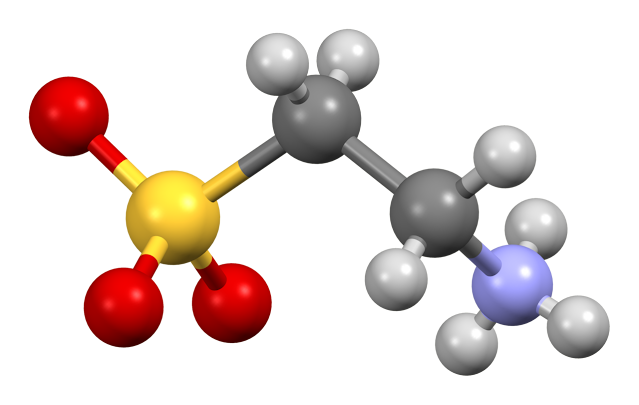
Where does the taurine in energy drinks come from?
Recommendable! Nice overview article.
Taurine seems to be a great dietary supplement. However, the energy drinks are way overpriced! Perhaps a pill or powder from a drug store near by is cheaper and it is not mixed with other stuff!
Thursday, August 11, 2022
Harvard Medical School: Why are you taking a multivitamin? An unnecessary habit! Really!
The never ending debate over the benefits of taking vitamins and mineral supplements! This debate has been going on for several decades!
The latest salvo in this debate is written by no less than the Executive Editor, Harvard Heart Letter! Her article and blog post are based on a major study conducted by the United States Preventive Services Task Force.
Perhaps, the only thing we know for sure is that taken in moderation multivitamin supplements are harmless!
Same old questions are: Do one need extra vitamins if one regularly consumes a nutritional and varied diet? What about the overdose risk? What are the actual and measurable benefits?
At least this latest, narrowly focused major meta study confirmed that multivitamins do not prevent death! (This is not a joke, see below) That is good to know! Very reassuring! 😄
Why the study by the U.S. Preventative Services Task Force was so narrowly focused on only preventing cardiovascular diseases and cancer is mysterious! Since when are multivitamins remedies for that!
"... That’s because for the average American adult, a daily multivitamin doesn’t provide any meaningful health benefit, as noted recently by the US Preventive Services Task Force (USPSTF). Their review, which analyzed 84 studies involving nearly 700,000 people, found little or no evidence that taking vitamin and mineral supplements helps prevent cancer and cardiovascular disease that can lead to heart attacks and stroke, nor do they help prevent an early death. ...
Who might need a multivitamin or individual supplements?
There are some exceptions, however. Highly restrictive diets and gastrointestinal conditions, or certain weight-loss surgeries that cause poor nutrient absorption, are examples of reasons why a multivitamin or individual vitamins might be recommended. A daily vitamin D supplement may be necessary when a person gets insufficient sun exposure. Your doctor may recommend an iron supplement if you have a low red blood cell count (anemia). ...""Results
Eighty-four studies (N=739 803) were included. In pooled analyses, multivitamin use was significantly associated with a lower incidence of any cancer (odds ratio [OR], 0.93 [95% CI, 0.87-0.99]; 4 RCTs [n=48 859]; absolute risk difference [ARD] range among adequately powered trials, −0.2% to −1.2%) and lung cancer (OR, 0.75 [95% CI, 0.58-0.95]; 2 RCTs [n=36 052]; ARD, 0.2%). However, the evidence for multivitamins had important limitations. Beta carotene (with or without vitamin A) was significantly associated with an increased risk of lung cancer (OR, 1.20 [95% CI, 1.01-1.42]; 4 RCTs [n=94 830]; ARD range, −0.1% to 0.6%) and cardiovascular mortality (OR, 1.10 [95% CI, 1.02-1.19]; 5 RCTs [n=94 506] ARD range, −0.8% to 0.8%). Vitamin D use was not significantly associated with all-cause mortality (OR, 0.96 [95% CI, 0.91-1.02]; 27 RCTs [n=117 082]), cardiovascular disease (eg, composite cardiovascular disease event outcome: OR, 1.00 [95% CI, 0.95-1.05]; 7 RCTs [n=74 925]), or cancer outcomes (eg, any cancer incidence: OR, 0.98 [95% CI, 0.92-1.03]; 19 RCTs [n=86 899]). Vitamin E was not significantly associated with all-cause mortality (OR, 1.02 [95% CI, 0.97-1.07]; 9 RCTs [n=107 772]), cardiovascular disease events (OR, 0.96 [95% CI, 0.90-1.04]; 4 RCTs [n=62 136]), or cancer incidence (OR, 1.02 [95% CI, 0.98-1.08]; 5 RCTs [n=76 777]). Evidence for benefit of other supplements was equivocal, minimal, or absent. Limited evidence suggested some supplements may be associated with higher risk of serious harms (hip fracture [vitamin A], hemorrhagic stroke [vitamin E], and kidney stones [vitamin C, calcium]).
Conclusions and Relevance
Vitamin and mineral supplementation was associated with little or no benefit in preventing cancer, cardiovascular disease, and death, with the exception of a small benefit for cancer incidence with multivitamin use."
Eighty-four studies (N=739 803) were included. In pooled analyses, multivitamin use was significantly associated with a lower incidence of any cancer (odds ratio [OR], 0.93 [95% CI, 0.87-0.99]; 4 RCTs [n=48 859]; absolute risk difference [ARD] range among adequately powered trials, −0.2% to −1.2%) and lung cancer (OR, 0.75 [95% CI, 0.58-0.95]; 2 RCTs [n=36 052]; ARD, 0.2%). However, the evidence for multivitamins had important limitations. Beta carotene (with or without vitamin A) was significantly associated with an increased risk of lung cancer (OR, 1.20 [95% CI, 1.01-1.42]; 4 RCTs [n=94 830]; ARD range, −0.1% to 0.6%) and cardiovascular mortality (OR, 1.10 [95% CI, 1.02-1.19]; 5 RCTs [n=94 506] ARD range, −0.8% to 0.8%). Vitamin D use was not significantly associated with all-cause mortality (OR, 0.96 [95% CI, 0.91-1.02]; 27 RCTs [n=117 082]), cardiovascular disease (eg, composite cardiovascular disease event outcome: OR, 1.00 [95% CI, 0.95-1.05]; 7 RCTs [n=74 925]), or cancer outcomes (eg, any cancer incidence: OR, 0.98 [95% CI, 0.92-1.03]; 19 RCTs [n=86 899]). Vitamin E was not significantly associated with all-cause mortality (OR, 1.02 [95% CI, 0.97-1.07]; 9 RCTs [n=107 772]), cardiovascular disease events (OR, 0.96 [95% CI, 0.90-1.04]; 4 RCTs [n=62 136]), or cancer incidence (OR, 1.02 [95% CI, 0.98-1.08]; 5 RCTs [n=76 777]). Evidence for benefit of other supplements was equivocal, minimal, or absent. Limited evidence suggested some supplements may be associated with higher risk of serious harms (hip fracture [vitamin A], hemorrhagic stroke [vitamin E], and kidney stones [vitamin C, calcium]).
Conclusions and Relevance
Vitamin and mineral supplementation was associated with little or no benefit in preventing cancer, cardiovascular disease, and death, with the exception of a small benefit for cancer incidence with multivitamin use."
Why are you taking a multivitamin? For most Americans, a daily multivitamin is an unnecessary habit.
Vitamin and Mineral Supplements for the Primary Prevention of Cardiovascular Disease and Cancer Updated Evidence Report and Systematic Review for the US Preventive Services Task Force
Wednesday, July 13, 2022
Omega-3s boost memory and is neuroprotective (in mice and rats)
Usually, I do not blog much about dietary supplements. This is an exception!
"Activation of the nuclear receptor peroxisome proliferator–activated receptor α (PPARα) in mice is neuroprotective and enhances memory. Liu et al. found an endogenous ligand for PPARα in the brain that may promote these effects. 7(S)-HDHA, a hydroxylated derivative of the omega-3 fatty acid DHA, bound to PPARα with high affinity. Treating primary cortical neurons with 7(S)-HDHA promoted dendritic outgrowth and arborization, as well as the expression of PPARα target genes that are associated with synaptic plasticity. Supplementing the diet of young male rats with DHA increased the amount of 7(S)-HDHA in the cortex. ..."
From the abstract:
"The nuclear receptor peroxisome proliferator-activated receptor alpha (PPARα) is emerging as an important target in the brain for the treatment or prevention of cognitive disorders. The identification of high-affinity ligands for brain PPARα may reveal the mechanisms underlying the synaptic effects of this receptor and facilitate drug development. Here, using an affinity purification–untargeted mass spectrometry (AP-UMS) approach, we identified an endogenous, selective PPARα ligand, 7(S)-hydroxy-docosahexaenoic acid [7(S)-HDHA]. Results from mass spectrometric detection of 7(S)-HDHA in mouse and rat brain tissues, time-resolved FRET analyses, and thermal shift assays collectively revealed that 7(S)-HDHA potently activated PPARα with an affinity greater than that of other ligands identified to date. We also found that 7(S)-HDHA activation of PPARα in cultured mouse cortical neurons stimulated neuronal growth and arborization, as well as the expression of genes associated with synaptic plasticity. The findings suggest that this DHA derivative supports and enhances neuronal synaptic capacity in the brain."
Friday, August 14, 2020
Trials Seek to Answer if Vitamin D Could Help in COVID-19
Good news! It has been known for some time that Vitamin D can be protective against infections. Plus that people who are Vitamin D deficient are more susceptible to infections especially Covid-19.
Drink more milk at least in the U.S. where milk is enriched with Vitamin D!
Trials Seek to Answer if Vitamin D Could Help in COVID-19 | The Scientist Magazine® In clinical studies worldwide, researchers are testing the possibility that supplements of the vitamin could prevent or decrease the severity of SARS-CoV-2 infections.
Drink more milk at least in the U.S. where milk is enriched with Vitamin D!
Trials Seek to Answer if Vitamin D Could Help in COVID-19 | The Scientist Magazine® In clinical studies worldwide, researchers are testing the possibility that supplements of the vitamin could prevent or decrease the severity of SARS-CoV-2 infections.
Subscribe to:
Posts (Atom)