Showing posts with label Autism Spectrum Disorder. Show all posts

Wednesday, September 23, 2026

Now Available: Largest Ever Whole-Genome Sequencing Dataset for Autism Research

Good news! The emphasis here is on whole-genome!

"... Simons Foundation Autism Research Initiative (SFARI) announces the release of whole-genome sequencing (WGS) data for more than 45,000 individuals participating in the SPARK research study, including more than 20,000 participants diagnosed with autism. ..."

SFARI | Now Available: Largest Ever Whole-Genome Sequencing Dataset for Autism Research

Wednesday, August 05, 2026

Autism may have two distinct subtypes based on brain connectivity patterns

Amazing stuff! I procrastinated on blogging about this one!

"... Some neuroscientists have been exploring the possibility that this well-documented diversity partly reflects differences in the brain's organization and underlying neurobiology. However, so far only a few studies have been able to link differences in autistic behavior to specific neurobiological processes. ...

Their findings ... led to the identification of two distinct autism subtypes characterized by distinct connectivity patterns. ...

"Autism is extremely heterogeneous clinically, and for many years imaging studies have also reported heterogeneous and sometimes apparently conflicting findings: some studies found reduced functional connectivity, others found increased connectivity, and others found more complex patterns. ..."

From the abstract:
"It is often assumed that phenotypic heterogeneity in autism reflects underlying pathobiological variation. However, direct evidence supporting this link is lacking. Leveraging cross-species functional neuroimaging, we show that brain dysconnectivity patterns in autism can be parsed into biologically dissociable subtypes.
Specifically, we found that functional magnetic resonance imaging (fMRI) connectivity alterations in 20 distinct genetic mouse models of autism cluster into hypoconnectivity-dominant and hyperconnectivity-dominant subtypes.
These subtypes are linked to distinct biological pathways, with hypoconnectivity being associated with synaptic dysfunction and hyperconnectivity reflecting transcriptional and immune-related alterations.
Here we identified analogous hypoconnectivity and hyperconnectivity subtypes in a multicenter human fMRI dataset of n = 940 individuals with idiopathic autism and n = 1,036 neurotypical individuals. The human autism subtypes are highly replicable, are associated with distinct functional network architectures and behavioral profiles and recapitulate the synaptic and immune-related pathways identified in the rodent dataset.
Our work provides a new empirical framework for targeted subtyping of the autism spectrum."

Autism may have two distinct subtypes based on brain connectivity patterns

Nature Neuroscience: Autism subtypes identified using cross-species functional connectivity analyses "It is often assumed that phenotypic heterogeneity in autism reflects underlying pathobiological variation. However, direct evidence supporting this link is lacking. Leveraging cross-species functional neuroimaging, we show that brain dysconnectivity patterns in autism can be parsed into biologically dissociable subtypes."


Fig. 1: fMRI connectivity in 20 autism mouse models clusters into dominant hypoconnectivity and hyperconnectivity subtypes.


Has the definition of autism become too broad to be useful?

Good question! I tend to agree! The definition has become wishy washy! 

I have been critical of the diagnosis of autism here on my blog for several years.

What is a spectrum? Anything under the sun? Just kidding!

How about the great danger of overdiagnosis? It is very real!

Had I been born 20 years later or so maybe I would have been diagnosed with autism.

Google Search provides following short timeline of milestones:
"Autism became formally categorized as a spectrum in 1994 with the DSM-IV, and was unified into a single Autism Spectrum Disorder (ASD) category in 2013 by the DSM-5. ...

1980 (DSM-III): Separated autism from schizophrenia for the first time as a distinct developmental disorder. ...

1994 (DSM-IV): Introduced the concept of a broader spectrum by adding subcategories like Asperger's disorder and PDD-NOS under an umbrella framework. ..."

"The definition of autism may have become so broad that it risks confusion and even misdiagnosis, according to a new editorial by UCL professor Dame Uta Frith, whose pioneering research in the 1960s and '70s laid the foundations for how we understand autism.

Autism is currently diagnosed as autism spectrum disorder (ASD), a single condition that includes a huge range of people, from those needing round-the-clock care to those who live independently.

In Frith's editorial, published in Psychological Medicine, she argues that this "spectrum" may now be too broad to be useful. ..."

"... “Autism wasn’t always defined this way – a sort of catch-all diagnosis for a huge variety of conditions,” she said.

“When it was first identified in the 1940s, it referred to a small group of children with severe difficulties in social interaction, communication and behaviour. ...

The number of people diagnosed with autism has increased dramatically. In the 1960s, in the UK, about 4 in 10,000 children were diagnosed. Today, it’s around 1 in 57 schoolchildren in the UK - a more than 40-fold increase. ..."

From the abstract of the editorial:
"Abstract
Background
Since the 1940s, the concept of autism has undergone marked changes, and autism spectrum disorder (ASD) is a wildly heterogenous condition. At the same time, the prevalence of ASD has increased massively.

Methods
This essay considers possible reasons for the changes and their consequences.

Results
Among drivers for the increase in prevalence are cultural changes, such as the desire for inclusion, harm avoidance, reliance on self-report, and the acceptance of masking. These have all led to a lowering of the diagnostic threshold. Furthermore, the popularity of the concept of autism boosted numbers via self-diagnosis and a search for identity.

Conclusions
Marked differences now exist between those first diagnosed in childhood and others first diagnosed in adolescence or adulthood. The time has come to examine reasons for these conceptual changes and the consequences for clinical practice and research."

Has the definition of autism become too broad to be useful?

Has autism become too broad to be useful? (original news article) "The definition of autism may have become so wide that it risks confusion and even misdiagnosis, according to a new editorial by UCL Professor Dame Uta Frith, whose pioneering research in the 1960s and 70s lay the foundations for how we understand autism."


Utah Frith (Source)


Thursday, May 07, 2026

Hundreds of different genes have been linked to autism – but a new study suggests it may be their path to the brain that matters

Good news!

"... The researchers found that these genes “converge” on a shared set of biological pathways in the brain, triggering similar downstream effects as brain cells mature. ...

Using a CRISPR gene-editing tool, they switched off 23 genes associated with neurodevelopmental disorders in human brain cells. They then tracked how each genetic disruption altered gene activity across different stages of brain development.

Critically, they found that many of the at-risk genes produced similar effects downstream as brain cells matured. But they first converged in the same neural pathways, including pathways involved in synaptic communication, regulation of gene expression, and mitochondrial function ..."

From the abstract:
"Diverse risk genes have been identified for neurodevelopmental disorders (NDDs), but how these genes converge on similar biological pathways in neurons, and thus give rise to similar phenotypes, is unclear.
Here we apply a pooled CRISPR approach to successfully target 23 NDD loss-of-function genes with roles in chromatin biology and examine convergent effects on gene expression across human induced pluripotent stem cell-derived neural progenitor cells, glutamatergic neurons and GABAergic neurons.
Points of convergence vary between these cell types, with the greatest number of convergent genes and strongest convergent networks in mature glutamatergic neurons, where they broadly represent synaptic, epigenetic and, unexpectedly, mitochondrial pathways.
The most convergent networks were observed between NDD genes with shared biological annotations, clinical associations and co-expression patterns in human post-mortem brain.
Drugs that were predicted to reverse convergent transcriptomic signatures and/or arousal and sensory processing behaviors ameliorated behavioral phenotypes in zebrafish NDD gene mutants.
These results suggest that convergent effects of NDD risk genes could provide clinically useful insights."

Many genes have been linked to autism – but a new study suggests it may be their path to the brain that matters | Yale News "While scientists have identified hundreds of different genes that are associated with autism, a new Yale-led study suggests that the specific genes may be less important than the pathway they take to the brain."


Fig. 1: KO [knock out] effects of 21 NDD risk genes are most strongly correlated in mature neurons.


Fig. 2: Gene-level convergence is greatest in mature glutamatergic neurons.


Fig. 3: Network-level convergence resolves cell-type-specific and developmental-specific node genes.


Fig. 4: Functional similarity and brain co-expression between NDD genes predict gene-level and network-level convergence, with unique influences by cell type.


Saturday, January 10, 2026

Researchers Discover Molecular Difference in Autistic Brains

Good news!

What does Autism Spectrum Disorder mean? Sounds impressive, but doctors don't have much of a clue yet!

"... Now, a new study ... has found that brains of autistic people have fewer of a specific kind of receptor for glutamate, the most common excitatory neurotransmitter in the brain. The reduced availability of these receptors may be associated with various characteristics linked to autism. ...

One of the leading hypotheses on the underlying causes of autism is an imbalance of excitatory and inhibitory signaling in the brain. ..."

From the abstract:
"Objective:
Autism spectrum disorder is a prevalent and heterogeneous condition with features ranging from social and communication differences to sensory sensitivities. Differences in excitatory neurotransmission have been identified in autism, but the molecular underpinnings are poorly understood. To investigate the mechanism underlying these observed differences, the authors assessed glutamatergic receptor density in autistic adults using positron emission tomography (PET) and related it to a functional EEG measure of excitatory activity.

Methods:
Metabotropic glutamate receptor 5 (mGlu5) availability was compared in autistic (N=16) and neurotypical (N=16) adults between 18 and 36 years of age, using the PET tracer 3-[18F]fluoro-5-(2-pyridinylethynyl) benzonitrile ([18F]FPEB). The PET outcome measure was volume of distribution (VT) computed with equilibrium analysis using a venous input function and partial volume correction. Group differences were quantified using mixed-model analyses. Heterogeneity was further parsed within the autistic group by quantifying the relationship between receptor availability and the slope of the EEG power spectrum, an index of excitatory-inhibitory balance. Correlations between EEG and VT were calculated using Spearman’s rho.

Results:
Across all brain regions, mGlu5 availability was significantly lower (by ~15%) in autistic relative to neurotypical control participants.
Group differences were generally greatest in the cerebral cortex. Within the autistic group, mGlu5 availability in all regions was significantly correlated with the slope of the EEG (e.g., cerebral cortex, r=0.67), such that shallower slope was associated with lower mGlu5 availability.

Conclusions:
This brain-wide investigation of mGlu5 availability with PET revealed pervasive lower mGlu5 availability across multiple brain areas in autism.
Additionally, multimethod analyses revealed associations with a noninvasive electrophysiological index of excitatory neurotransmission. These results indicate that lower brain-wide mGlu5 availability may represent a molecular mechanism underlying altered excitatory neurotransmission that has the potential to stratify the heterogeneous autism phenotype."

Researchers Discover Molecular Difference in Autistic Brains | Yale School of Medicine

Saturday, October 11, 2025

Study reveals genetic and developmental differences in people with earlier versus later autism diagnosis

Good news! Autism is more complicated and dependent on age!

"... The scientists say that the findings challenge the long-held assumption that autism is a single condition with a unified underlying cause. ...

study analysed behavioural data across childhood and adolescence from the UK and Australia, and genetic data from over 45,000 autistic individuals across several large cohorts in Europe and the US. ...

Scientists ... found that children diagnosed as autistic earlier in life (typically before six years old) were more likely to show behavioural difficulties from early childhood, such as problems with social interaction.

However, those diagnosed with autism later on in life (in late childhood or beyond) were more likely to experience social and behavioural difficulties during adolescence. They also had an increased likelihood of mental health conditions such as depression. ...

They found that the underlying genetic profiles differed between those diagnosed with autism earlier and later in life, with only a modest overlap. In fact, the average genetic profile of later-diagnosed autism is closer to that of ADHD, as well as to mental health conditions like depression and PTSD, than it is to autism diagnosed in early childhood. ...

“The term ‘autism’ likely describes multiple conditions,” ..."

From the abstract:
"Although autism has historically been conceptualized as a condition that emerges in early childhood, many autistic people are diagnosed later in life. It is unknown whether earlier- and later-diagnosed autism have different developmental trajectories and genetic profiles.
Using longitudinal data from four independent birth cohorts, we demonstrate that two different socioemotional and behavioural trajectories are associated with age at diagnosis.
In independent cohorts of autistic individuals, common genetic variants account for approximately 11% of the variance in age at autism diagnosis, similar to the contribution of individual sociodemographic and clinical factors, which typically explain less than 15% of this variance. We further demonstrate that the polygenic architecture of autism can be broken down into two modestly genetically correlated (rg = 0.38, s.e. = 0.07) autism polygenic factors. One of these factors is associated with earlier autism diagnosis and lower social and communication abilities in early childhood, but is only moderately genetically correlated with attention deficit–hyperactivity disorder (ADHD) and mental-health conditions.
Conversely, the second factor is associated with later autism diagnosis and increased socioemotional and behavioural difficulties in adolescence, and has moderate to high positive genetic correlations with ADHD and mental-health conditions.
These findings indicate that earlier- and later-diagnosed autism have different developmental trajectories and genetic profiles. Our findings have important implications for how we conceptualize autism and provide a model to explain some of the diversity found in autism."

Study reveals genetic and developmental differences in people with earlier versus later autism diagnosis | University of Cambridge "Researchers find different genetic profiles related to two trajectories that autistic children tend to follow. One linked to early diagnosis, and communication difficulties in infancy. The other linked to later diagnosis, increased social and behavioural difficulties in adolescence, and higher rates of conditions like ADHD, depression, and PTSD."


Fig. 4: Two genetic latent factors in autism.


Friday, September 26, 2025

How some 911 callers become suspicious or even criminal suspects

Amazing stuff! Don't stop making 911 calls when you have to!

"When reporting violent events to 911, callers who fail to express expected levels of emotion and urgency may trigger suspicion that they are participants in the crime they are reporting – potentially the first step toward a wrongful conviction, Cornell research finds.

In four studies involving roughly 1,800 civilians and 300 law enforcement officers who listened to real or simulated 911 calls, researchers identified five behaviors that might make a caller seem suspicious. Conveying strong emotion and urgency reduced suspicion, while callers perceived to be communicating poorly, guarded in providing information or trying to make a favorable impression drew more suspicion.

“Having expectations for people’s demeanor on 911 calls is dangerous,”  ... “People communicate in very different ways due to cultural and personality differences, neurodivergence, disabilities, or just the intense stress of the situation. There is no ‘one size fits all’ for responses to traumatic events.” ...

The paper is part of a broader initiative studying assumptions about suspicious behaviors and their validity at predicting guilt, work that includes development of a large database of 911 calls.

The research is relevant ... to a case in which a Texas man, Robert Roberson, was convicted and sentenced to death for murdering his infant daughter based on now-debunked “shaken baby evidence.” Despite a team of medical experts and even the detective who originally arrested Roberson fighting for his exoneration, he faces execution in October. Hospital staff and police perceived Roberson as oddly unemotional when he reported the death – but ... he has been diagnosed with severe autism, which means he lacked the ability to express emotion in ways people expect. ..."

From the abstract:
"Objective: Despite research on case factors that can trigger confirmation bias in investigations leading to wrongful convictions, we know little about what sparks this chain reaction and why an innocent person initially falls under suspicion. Across four studies, we investigated what perceived behaviors exhibited by 911 callers (urgency, emotionality, cognitive load, impression management, and information management) are related to laypeople’s (Studies 1-2, 4) and police officers’ (Study 3) suspicion toward the caller.

Hypotheses: We predicted, for lay and police samples, callers perceived as more urgent or emotional would be perceived as less suspicious, whereas callers perceived as more under cognitive load, managing information, or managing impressions of themselves would be perceived as more suspicious.
We tested whether these relationships depended on caller gender—predicting gender stereotypes might play a role, particularly with emotionality.

Method: Participants (Studies 1-2, 4: online laypeople, Study 3: police officers) listened to a real 911 call (Studies 1 and 4) or a more controlled, simulated 911 call (Studies 2 and 3) by a male or female caller. We assessed behavioral predictors associated with suspicion via participants’ spontaneous impressions and scales assessing these behaviors. Participants indicated how suspicious they found the caller and how much the caller violated their expectations.

Results: Participants spontaneously mentioned the callers’ emotionality most frequently and consistently across studies (77-85%). Perceptions of callers being more urgent and emotional were associated with less suspicion and violation of expectations, while perceptions of callers engaging in more information management and impression management were associated with more suspicion and violation of expectations. 
Police, but not laypeople, perceived male callers as more suspicious than female callers—despite holding 911 call scripts constant. 

Conclusion: Citizens engaging in the well-intentioned act of calling 911 risk observers—including police—holding expectations for their behavior and targeting them as a suspect if they violate those expectations."

How some 911 callers become criminal suspects | Cornell Chronicle

Wednesday, September 24, 2025

Trump’s autism initiative touts a little-tested vitamin as treatment. Really!

Is the Trump Derangement Syndrome becoming more bizarre?

What really matters? Is leucovorin dangerous or unsafe to take? If not, why not try it as a treatment for autism?

"As part of a highly anticipated announcement on Monday in which U.S. President Donald Trump outlined his administration’s approach to what he called the “crisis of autism,” federal officials said the Food and Drug Administration (FDA) would approve a drug called leucovorin, a form of folate, as “the first FDA-recognized treatment pathway for autism”—an unusual move [???] for a pill only tested in a few small studies. ...

Leucovorin is commonly given to cancer patients to help counteract side effects of certain chemotherapies that interfere with folate metabolism. It has also been tested in a rare genetic condition called cerebral folate deficiency (CFD), estimated to occur in one in 1 million children, and which leads to symptoms that can resemble autism, including language delays and lack of motor control. ..."

ScienceAdviser

Tuesday, September 23, 2025

President Trump Links Autism With Tylenol use by pregnant women

That a US President mentions a single, specific drug in public statements like this is already a little unusual!

President Trump forgot to mention the safer alternatives for Tylenol available to pregnant women!

Even the lefty Johns Hopkins Bloomberg School of Public Health admits "An Environmental Health article in August that analyzed 46 previous studies found 27 had significant links between prenatal acetaminophen use and neurodevelopmental disorders.". 

However, these lefties could not resist to qualify their admission by dubiously stating "However, study co-author Ann Bauer, a University of Massachusetts epidemiologist, told NPR the U.S. government “may be jumping the gun,” adding: “I think those of us in the research community would like to see stronger evidence [???].”" How much stronger evidence do people suffering from Trump Derangement Syndrome need for a warning of pregnant women?

From the abstract:
"Background
Acetaminophen is the most commonly used over-the-counter pain and fever medication taken during pregnancy, with > 50% of pregnant women using acetaminophen worldwide. Numerous well-designed studies have indicated that pregnant mothers exposed to acetaminophen have children diagnosed with neurodevelopmental disorders (NDDs), including autism spectrum disorder (ASD) and attention-deficit/hyperactivity disorder (ADHD), at higher rates than children of pregnant mothers who were not exposed to acetaminophen.

Methods
We applied the Navigation Guide methodology to the scientific literature to comprehensively and objectively examine the association between prenatal acetaminophen exposure and NDDs and related symptomology in offspring. We conducted a systematic PubMed search through February 25, 2025, using predefined inclusion criteria and rated studies based on risk of bias and strength of evidence. Due to substantial heterogeneity, we opted for a qualitative synthesis, consistent with the Navigation Guide’s focus on environmental health evidence.

Results
We identified 46 studies for inclusion in our analysis. Of these, 27 studies reported positive associations (significant links to NDDs), 9 showed null associations (no significant link), and 4 indicated negative associations (protective effects). Higher-quality studies were more likely to show positive associations. Overall, the majority of the studies reported positive associations of prenatal acetaminophen use with ADHD, ASD, or NDDs in offspring, with risk-of-bias and strength-of-evidence ratings informing the overall synthesis.

Conclusions
Our analyses using the Navigation Guide thus support evidence consistent with an association between acetaminophen exposure during pregnancy and increased incidence of NDDs. Appropriate and immediate steps should be taken to advise pregnant women to limit acetaminophen consumption to protect their offspring’s neurodevelopment."

Global Health NOW: Trump Links Autism With Tylenol; Russia’s Infected Troops; and ‘Nicotine-Free’ Vapes Not Free of Health Concerns

Monday, August 18, 2025

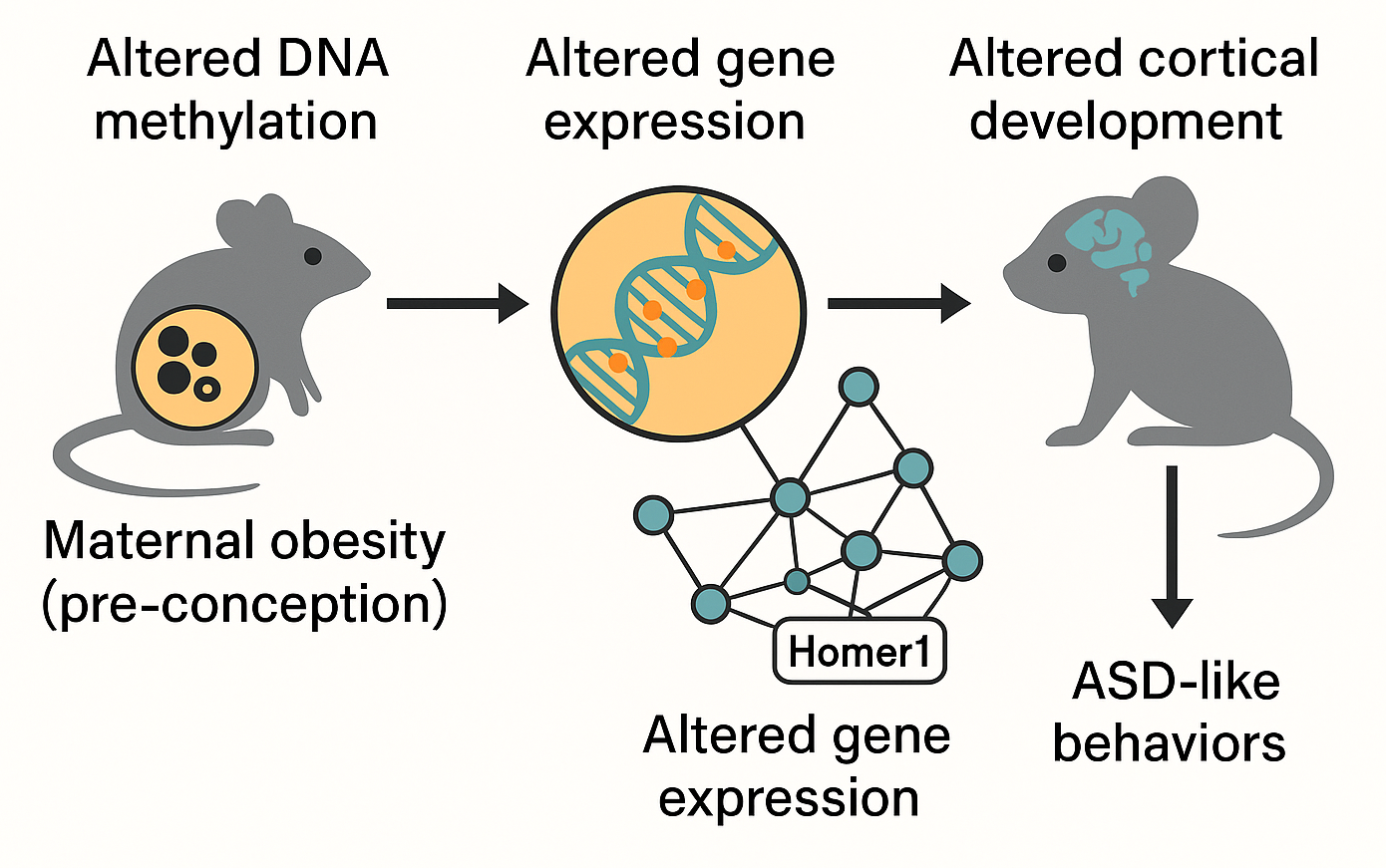
Maternal obesity before conception/pregnancy linked to male autism risk, but not female autism risk

What about paternal obesity? Or what is not linked to autism?

"Obesity before pregnancy, not just during, may shape a child’s brain and raise the risk of autism spectrum disorder, a new study has found. Epigenetic changes in eggs triggered gene shifts linked to autism-like behaviors, revealing a critical window for prevention. ..."

"The researchers demonstrated that obesity-induced changes in the mother’s metabolic environment lead to lasting epigenetic alterations in oocytes—the precursors to eggs. These modifications, specifically changes in DNA methylation patterns, were carried into the developing embryos, ultimately disrupting the expression of critical neurodevelopmental genes such as Homer1. In male offspring, the study found increased expression of the short Homer1a isoform, known to interfere with synaptic function, resulting in behaviors consistent with autism spectrum disorder (ASD). ..."

From the abstract:
"Autism spectrum disorder (ASD) is a complex neurodevelopmental condition with early-life origins. Maternal obesity has been associated with increased ASD risk, yet the mechanisms and timing of susceptibility remain unclear.
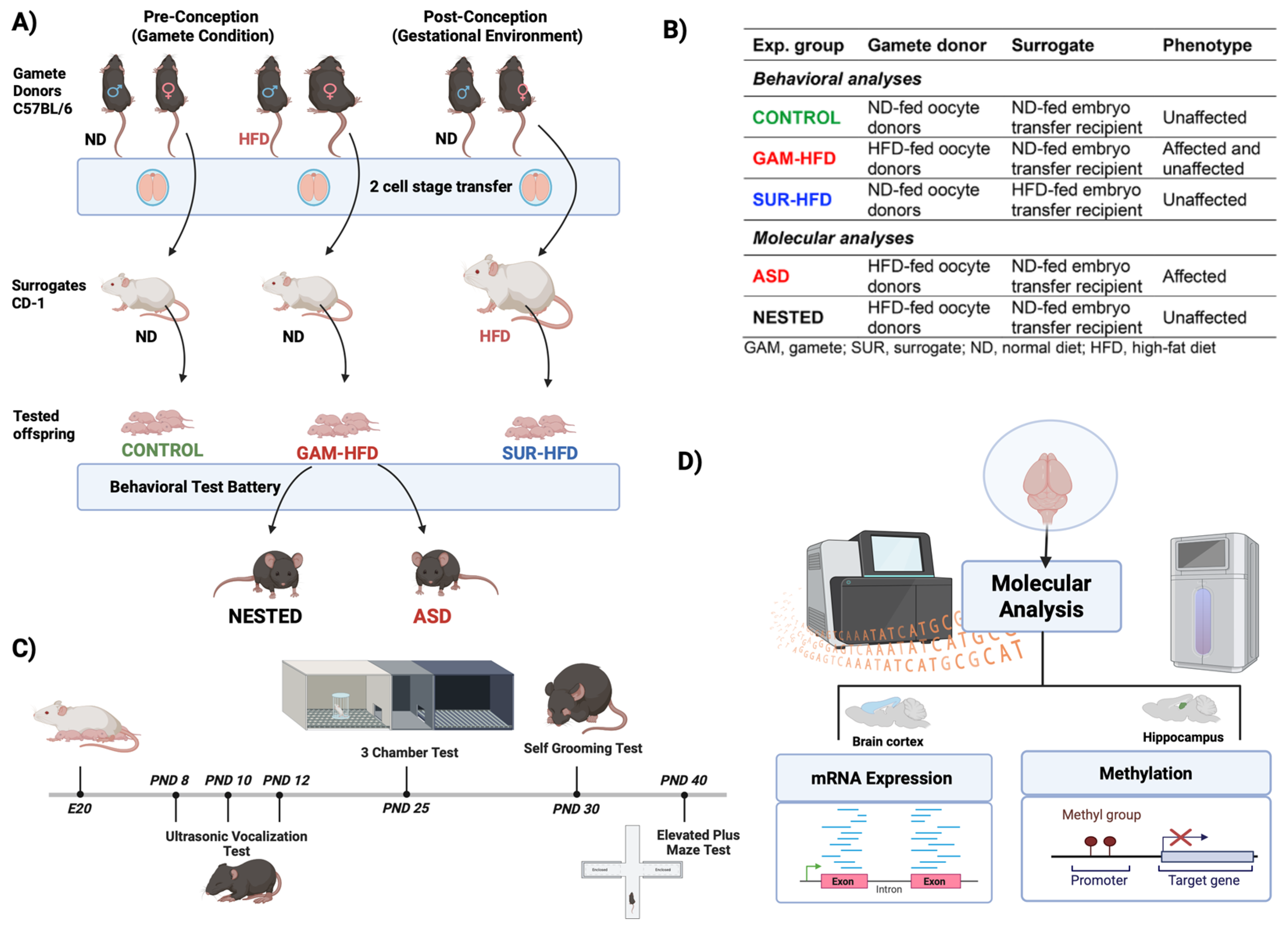
Using a mouse model combining in vitro fertilization (IVF) and embryo transfer, we separated the effects of pre-conception and gestational obesity.
We found that maternal high fat diet (HFD) exposure prior to conception alone was sufficient to induce ASD-like behaviors in male offspring—including altered vocalizations, reduced sociability, and increased repetitive grooming—without anxiety-related changes.
These phenotypes were absent in female offspring and those exposed only during gestation.
Cortical transcriptome analysis revealed dysregulation and isoform shifts in genes implicated in ASD, including Homer1 and Zswim6.
Whole-genome bisulfite sequencing of hippocampal tissue showed hypomethylation of an alternative Homer1 promoter, correlating with increased expression of the short isoform Homer1a, which is known to disrupt synaptic scaffolding.
This pattern was specific to mice with ASD-like behaviors.
Our findings show that pre-conceptional maternal obesity can lead to lasting, isoform-specific transcriptomic and epigenetic changes in the offspring’s brain. These results underscore the importance of maternal health before pregnancy as a critical and modifiable factor in ASD risk."

"... Female offspring across all experimental groups showed no differences in measures of vocalization or social interaction, which are primary ASD-relevant behaviors (Figure S2). Given this result, and to remain within the scope and statistical design of our study, we focused subsequent transcriptomic and epigenomic analyses exclusively on male offspring. ..."

Maternal obesity before pregnancy linked to autism risk

Figure 1. Experimental design.


Saturday, July 26, 2025

Four hidden types of autism revealed — and each tells a different genetic story

Good news! Uncovering the spectrum of autism.

"... Analyzing data from over 5,000 children in SPARK, an autism cohort study funded by the Simons Foundation, the researchers used a computational model to group individuals based on their combinations of traits. The team used a “person-centered” approach that considered a broad range of over 230 traits in each individual, from social interactions to repetitive behaviors to developmental milestones, rather than searching for genetic links to single traits.

This approach enabled the discovery of clinically relevant autism subtypes, which the researchers linked to distinct genetic profiles and developmental trajectories, offering new insights into the biology underlying autism.  ...

The study defines four subtypes of autism — Social and Behavioral Challenges, Mixed ASD with Developmental Delay, Moderate Challenges, and Broadly Affected. Each subtype exhibits distinct developmental, medical, behavioral and psychiatric traits, and importantly, different patterns of genetic variation. 

Individuals in the Social and Behavioral Challenges group show core autism traits, including social challenges and repetitive behaviors, but generally reach developmental milestones at a pace similar to children without autism.  They also often experience co-occurring conditions like ADHD, anxiety, depression or obsessive-compulsive disorder alongside autism. One of the larger groups, this constitutes around 37% of the participants in the study.

The Mixed ASD with Developmental Delay group tends to reach developmental milestones, such as walking and talking, later than children without autism, but usually does not show signs of anxiety, depression or disruptive behaviors. “Mixed” refers to differences within this group with respect to repetitive behaviors and social challenges. This group represents approximately 19% of the participants.

Individuals with Moderate Challenges show core autism-related behaviors, but less strongly than those in the other groups, and usually reach developmental milestones on a similar track to those without autism. They generally do not experience co-occurring psychiatric conditions. Roughly 34% of participants fall into this category.

The Broadly Affected group faces more extreme and wide-ranging challenges, including developmental delays, social and communication difficulties, repetitive behaviors and co-occurring psychiatric conditions like anxiety, depression and mood dysregulation. This is the smallest group, accounting for around 10% of the participants. ...

For decades, autism researchers and clinicians have been seeking robust definitions of autism subtypes to aid in diagnosis and care. Autism is known to be highly heritable, with many implicated genes. 

For example, children in the Broadly Affected group showed the highest proportion of damaging de novo mutations — those not inherited from either parent — while only the Mixed ASD with Developmental Delay group was more likely to carry rare inherited genetic variants. While children in both of these subtypes share some important traits like developmental delays and intellectual disability, these genetic differences suggest distinct mechanisms behind superficially similar clinical presentations. ..."

From the abstract:
"Unraveling the phenotypic and genetic complexity of autism is extremely challenging yet critical for understanding the biology, inheritance, trajectory and clinical manifestations of the many forms of the condition.
Using a generative mixture modeling approach, we leverage broad phenotypic data from a large cohort with matched genetics to identify robust, clinically relevant classes of autism and their patterns of core, associated and co-occurring traits, which we further validate and replicate in an independent cohort.
We demonstrate that phenotypic and clinical outcomes correspond to genetic and molecular programs of common, de novo and inherited variation and further characterize distinct pathways disrupted by the sets of mutations in each class.
Remarkably, we discover that class-specific differences in the developmental timing of affected genes align with clinical outcome differences. These analyses demonstrate the phenotypic complexity of children with autism, identify genetic programs underlying their heterogeneity, and suggest specific biological dysregulation patterns and mechanistic hypotheses."
 
Four hidden types of autism revealed — and each tells a different genetic story | ScienceDaily "Scientists at Princeton and the Simons Foundation have identified four biologically distinct subtypes of autism, using data from over 5,000 children and a powerful new computational method. These subtypes—each with unique traits, developmental paths, and genetic signatures—promise to revolutionize how we understand, diagnose, and treat autism."


Fig. 1: Overview of study design and description of identified subclasses.


Thursday, April 24, 2025

Autism rates rose again in the United States. Really!

Medical overdiagnosis seems to be prevalent when it comes to Autism Spectrum Disorder (ASD)! Just the fuzzy term ASD strongly suggests wide diagnostic latitude for doctors! Too wide for my taste! Reminiscent of "gender dysphoria".

Serious doubts are in order! From a physician's perspective there are no healthy individuals! Ulterior motives like more government funding, more jobs for the medical profession etc.?

This rise of Autism, ADHD and the like in children seems to have become a very popular narrative of alarmism and hysteria. It's good for the business of the medical profession! This narrative puts extra stress on parents to worry about their children! This would be reckless and irresponsible!

I also have a strong suspicion that ASD is perhaps a more transient and temporary condition in children than a permanent conditions like a phase of development. 

I blogged here yesterday about what seems to be a junk study of high prevalence of ASD and ADHD among Australian children.

"Autism is more common than ever before, a new report suggests.

As of 2022, about 1 in 31 children in the United States were diagnosed with autism by the time they were 8 years old, researchers reported online April 15 in the Centers for Disease Control and Prevention’s Morbidity and Mortality Weekly Report. Previous studies had put the number at 1 in 36 in 2020 and 1 in 150 in 2000."

From the abstract:
"Problem/Condition: Autism spectrum disorder (ASD).

Period Covered: 2022.

Description of System:
The Autism and Developmental Disabilities Monitoring Network is an active surveillance program that estimates prevalence and characteristics of ASD and monitors timing of ASD identification among children aged 4 and 8 years.
In 2022, a total of 16 sites (located in Arizona, Arkansas, California, Georgia, Indiana, Maryland, Minnesota, Missouri, New Jersey, Pennsylvania, Puerto Rico, Tennessee, Texas [two sites: Austin and Laredo], Utah, and Wisconsin) conducted surveillance for ASD among children aged 4 and 8 years and suspected ASD among children aged 4 years. Surveillance included children who lived in the surveillance area at any time during 2022.
Children were classified as having ASD if they ever received
1) an ASD diagnostic statement in a comprehensive developmental evaluation,
2) autism special education eligibility, or
3) an ASD International Classification of Diseases, Ninth Revision (ICD-9) code in the 299 range or International Classification of Diseases, Tenth Revision (ICD-10) code of F84.0, F84.3, F84.5, F84.8, or F84.9.
Children aged 4 years were classified as having suspected ASD if they did not meet the case definition for ASD but had an evaluator’s suspicion of ASD documented in a comprehensive developmental evaluation.

Results:
Among children aged 8 years in 2022, ASD prevalence was 32.2 per 1,000 children (one in 31) across the 16 sites, ranging from 9.7 in Texas (Laredo) to 53.1 in California. The overall observed prevalence estimate was similar to estimates calculated using Bayesian hierarchical and random effects models. ASD was 3.4 times as prevalent among boys (49.2) than girls (14.3).
Overall, ASD prevalence was lower among non-Hispanic White (White) children (27.7) than among Asian or Pacific Islander (A/PI) (38.2), American Indian or Alaska Native (AI/AN) (37.5), non-Hispanic Black or African American (Black) (36.6), Hispanic or Latino (Hispanic) (33.0), and multiracial children (31.9). No association was observed between ASD prevalence and neighborhood median household income (MHI) at 11 sites; higher ASD prevalence was associated with lower neighborhood MHI at five sites.

Record abstraction was completed for 15 of the 16 sites for 8,613 children aged 8 years who met the ASD case definition. Of these 8,613 children, 68.4% had a documented diagnostic statement of ASD, 67.3% had a documented autism special education eligibility, and 68.9% had a documented ASD ICD-9 or ICD-10 code.
All three elements of the ASD case definition were present for 34.6% of children aged 8 years with ASD.

Among 5,292 (61.4% of 8,613) children aged 8 years with ASD with information on cognitive ability, 39.6% were classified as having an intellectual disability. Intellectual disability was present among 52.8% of Black, 50.0% of AI/AN, 43.9% of A/PI, 38.8% of Hispanic, 32.7% of White, and 31.2% of multiracial children with ASD.
The median age of earliest known ASD diagnosis was 47 months and ranged from 36 months in California to 69.5 months in Texas (Laredo).

Cumulative incidence of ASD diagnosis or eligibility by age 48 months was higher among children born in 2018 (aged 4 years in 2022) than children born in 2014 (aged 8 years in 2022) at 13 of the 15 sites that were able to abstract records. Overall cumulative incidence of ASD diagnosis or eligibility by age 48 months was 1.7 times as high among those born in 2018 compared with those born in 2014 and ranged from 1.4 times as high in Arizona and Georgia to 3.1 times as high in Puerto Rico. Among children aged 4 years, for every 10 children meeting the case definition of ASD, one child met the definition of suspected ASD.

Children with ASD who were born in 2018 had more evaluations and identification during ages 0–4 years than children with ASD who were born in 2014 during the 0–4 years age window, with an interruption in the pattern in early 2020 coinciding with onset of the COVID-19 pandemic.

Overall, 66.5% of children aged 8 years with ASD had a documented autism test. Use of autism tests varied widely across sites: 24.7% (New Jersey) to 93.5% (Puerto Rico) of children aged 8 years with ASD had a documented autism test in their records.
The most common tests documented for children aged 8 years were the Autism Diagnostic Observation Schedule, Autism Spectrum Rating Scales, Childhood Autism Rating Scale, Gilliam Autism Rating Scale, and Social Responsiveness Scale.

Interpretation:
Prevalence of ASD among children aged 8 years was higher in 2022 than previous years. ASD prevalence was higher among A/PI, Black, and Hispanic children aged 8 years than White children aged 8 years, continuing a pattern first observed in 2020. A/PI, Black, and Hispanic children aged 8 years with ASD were also more likely than White or multiracial children with ASD to have a co-occurring intellectual disability. Identification by age 48 months was higher among children born in 2018 compared with children born in 2014, suggesting increased early identification consistent with historical patterns.

Public Health Action:
Increased identification of autism, particularly among very young children and previously underidentified groups, underscores the increased demand and ongoing need for enhanced planning to provide equitable diagnostic, treatment, and support services for all children with ASD. The substantial variability in ASD identification across sites suggests opportunities to identify and implement successful strategies and practices in communities to ensure all children with ASD reach their potential."

Autism rates rose again. Experts explain why "A new report offers a better reflection of autism rates and an opportunity to help families in need"

Sunday, February 02, 2025

AAAS: Giant study questions link between autism and maternal health. Really!

Again, the Association for the Advancement of Science (AAAS) spreads demagoguery! Actually, the AAAS has perverted the findings by claiming the opposite and limiting the link to only obesity and depression! What a case of disinformation!

"... Genetics is a strong familial confounder (plausible explanation) for autism, the researchers say. Certain genes that increase the risk of someone having depression are also more closely tied to them having autism. If a woman suffers a bout of depression during pregnancy and her child is autistic, it is much more likely that mother and child share genes that cause both conditions, rather than that the chemical effects of depression somehow affected the fetus to cause autism during development. ..."

"... But a study of more than 1 million Danish children and their families, published today in Nature Medicine, pushes back against this view. Researchers analyzed more than 200 health conditions that occurred in these children’s mothers before or during pregnancy. They conclude that many of the supposed links to a child’s autism diagnosis may not be causal, and instead reflect inherited genetic variants or environmental factors shared within families. ..."

From the abstract:
"Evidence suggests that maternal health in pregnancy is associated with autism in the offspring. However, most diagnoses in pregnant women have not been examined, and the role of familial confounding remains unknown. Our cohort included all children born in Denmark between 1998 and 2015 (n = 1,131,899) and their parents. We fitted Cox proportional hazard regression models to estimate the likelihood of autism associated with each maternal prenatal ICD-10 diagnosis, accounting for disease chronicity and comorbidity, familial correlations and sociodemographic factors.
We examined the evidence for familial confounding using discordant sibling and paternal negative control designs.
Among the 1,131,899 individuals in our sample, 18,374 (1.6%) were diagnosed with autism by the end of follow-up. Across 236 maternal diagnoses we tested (prevalence ≥0.1%), 30 were significantly associated with autism after accounting for sociodemographic factors, disorder chronicity and comorbidity, and correction for multiple testing. This included obstetric, cardiometabolic and psychiatric disorders (for example, diabetes in pregnancy (hazard ratio (HR) 1.19, 95% confidence interval (CI) 1.08–1.31) and depression (HR 1.49, 95% CI 1.27–1.75)), previously shown to be associated with autism.
Family-based analyses provided strong evidence for familial confounding in most of the observed associations.
Our findings indicate pervasive associations between maternal health in pregnancy and offspring autism and underscore that these associations are largely attributable to familial confounding."

Giant study questions link between autism and maternal health | Science | AAAS "Links between obesity or depression during pregnancy and autism in children don’t represent cause and effect, authors argue"

No Evidence That Maternal Sickness During Pregnancy Causes Autism (original press release)


Fig. 1: Associations between ICD-10 level 3 maternal diagnoses and offspring autism in fully adjusted single-diagnosis models.
Point estimates of each association derived from the two-sided Cox proportional hazard model for each diagnosis are illustrated on the x axis, with their P value (−log10(P)) on the y axis.
Dots representing each statistically significant association are colored according to the ICD-10 category of the respective diagnosis; nonsignificant associations after correction for multiple testing are shown in gray. The horizontal dashed line represents the P-value cutoff for nominal significance (P = 0.05).


Fig. 2: Associations between ICD-10 level 3 maternal diagnoses and offspring autism in fully adjusted single-diagnosis models and the multidiagnosis model.
Point estimates are HRs adjusted for maternal age at childbirth, child’s sex and year of birth, maternal income and education, and maternal healthcare utilization in the 12 months preceding childbirth. Estimates from the multidiagnosis model, in addition to the covariates above, are concurrently adjusted for all significant diagnoses (nonchronic and chronic) in fully adjusted single-diagnosis models (presented in this figure). The error bars represent 95% CIs calculated using point estimates and robust standard errors from the respective regression model.


Sunday, June 16, 2024

Early childhood autism detection tool attracts global interest

Good news! For those born before let's say 1980 autism diagnosis and/or detection were unheard of or not widely available and recognized. It appears that e.g. the autism spectrum disorder was maybe not recognized before 1979.

How much is parental reporting relevant to or valid in diagnosing Autism Spectrum Disorder in their children? What do parents miss? How much are they influenced or even misinformed by the medical profession?

"An early detection tool for autism, developed in Adelaide, Australia, has attracted interest from China, Japan, Mexico, USA, Indonesia and South America.

The early screening tool, known as Autism Detection in Early Childhood (ADEC), is already available in Australia and has been made available free of charge to low-resource countries such as Indonesia, Mexico, China and Guayaquil (Ecuador). ...
The WHO estimates the prevalence of autism is around 1 in 100 people but other estimates suggest it may be even higher, up to 4%. The Centre Disease Control and Prevention suggests 1 in 36 children and 1 in 45 adults in the US have autism but the Australian Institute for Health and Welfare reports the incidence is about 1 in 150 people. These rates may vary across cultures.
It affects males four times more frequently than females. [very unfair I may say!] ..."

From the abstract:
"Autism Spectrum Disorder (ASD) must be present early in development, but may not fully manifest until social demands exceed capacities. In the absence of adequate biological or brain imaging markers to detect and diagnose autism, diagnosis relies on clinical judgment based on observation of symptoms. Many tools have been developed in English-speaking countries (questionnaires for parents, symptom checklists for professionals, observation systems, etc.). Screening in countries with other languages requires cultural and linguistic adaptation of these instruments. This paper presents the adaptation of the ADEC (Autism Detection in Early Childhood).
Methods:
The original version of the ADEC was translated and culturally and linguistically adapted to the characteristics of the population of Guayaquil (Ecuador).
Participants:
A pilot study was conducted with a sample of 613 children aged 18-48 months.
Results: Cronbach's alpha values (0.89) indicate high internal consistency. The correlation between the MCHAT-R/F follow-up interview and the ADEC (mean r = 0.93) indicates high construct validity. In terms of predictive validity, using the original cut-off points of the ADEC, they show excellent diagnostic ability. The sensitivity and specificity results (sensitivity 1.00; specificity 0.92; positive predictive value 0.83; negative predictive value 0.99) are even better than those obtained in a similar study in the Mexican population.
Conclusions:
Considering that the MCHAT R/F is a parent-reported instrument, the Guayaquil Spanish version of the ADEC (ADEC-GU) seems to be a suitable instrument to be used in a complementary way as a second-level screening instrument for autism, before resorting to a full diagnostic process."

Autism detection attracts global interest

Autism screening tool goes global (original press release)


Friday, May 31, 2024

People with autism are 3X likelier to develop Parkinson’s-like symptoms

Bad news, if confirmed!

"People with autism are 3X likelier to develop Parkinson’s-like symptoms—5.98% compared to a rate of .11%-1.85% in the general population, according to a review of medical records for 247,539 people in the U.S.; the results have not yet been peer-reviewed."

Global Health NOW: The Kenyan Factory Producing Self-Reliance; A Forgotten, Yet Life-Threatening Infection; and ‘A National Crime Scene’

Autistic people three times more likely to develop Parkinson’s-like symptoms (original news release) Largest study of its kind also finds increased risk in older adults with a range of intellectual disabilities.