Showing posts with label antimicrobial resistance (AMR). Show all posts

Tuesday, September 01, 2026

EU to suspend Brazilian meat imports from September 3, citing lack of compliance with antimicrobial rules. Other goods like honey and honey are affected too. Really!

Bad news! The EU is more and more becoming a bully! Another attack on global free trade based on strict non-tariff barriers!

What is good for humans is not good for animals? This is outrageous! Antimicrobial resistance is a dubious excuse by the EU!

"...
  • The EU had announced ​in May that Brazil was set to be removed ​from a list of compliant countries exporting ⁠certain animal products to the bloc.
  • The Commission spokesperson ​told reporters that the EU had not received guarantees ​of Brazil's compliance with the bloc's requirement that antimicrobials not be used for animal growth.
  • For poultry and honey, an audit ​of Brazilian production is due to be completed ​at the end of this week, though results will not be ‌available ⁠immediately, the spokesperson said.
  • For beef, of which Brazil was the EU's second-largest supplier in 2025, the EU was seeking guarantees covering the whole life cycle ​of animals, the ​spokesperson added.
  • The ⁠Commission did not give a timeline for a possible lifting of the ban.
  • The ​EU also prohibits giving animals antimicrobials that ​are ⁠used to treat humans, including antibiotics.
..."

EU to suspend Brazilian meat imports from September 3, citing antimicrobial rules | Reuters

EU suspends Brazilian meat imports over antibiotic compliance concerns "The European Union will suspend imports of Brazilian meat and other animal products from Thursday, citing concerns over Brazil’s compliance with EU rules on antibiotic use in livestock. The move affects poultry, beef, eggs and honey, with Brussels offering no timeline for when trade can resume."

Thursday, January 22, 2026

Inhaled nitric oxide treats multidrug-resistant Pseudomonas pneumonia

Good news!

From the editor's summary and abstract:
"Editor’s summary
The global crisis of antimicrobial resistance urgently requires new therapeutic approaches.
Inhaled high-dose nitric oxide (NO) has potential antimicrobial activity against bacteria, viruses, and fungi.
In this study, Yu et al. first developed a swine model of Pseudomonas aeruginosa pneumonia and demonstrated that inhalation of 300 ppm of NO effectively reduced bacterial burden and improved lung function. The authors then showed that this inhaled high-dose NO was safe both in healthy individuals and in two patients in the intensive care unit with P. aeruginosa pneumonia. There were no adverse outcomes during 6 years of follow-up in another group of patients who received high-dose NO. ...

Abstract
Antibiotic resistance in respiratory infections is an escalating global concern that requires innovative antimicrobial approaches.
Pseudomonas aeruginosa is a common multidrug-resistant pathogen and a major cause of hospital-acquired pneumonia. Accumulating evidence suggests that, at high doses, inhaled nitric oxide (iNO) acts as a potent antimicrobial agent. This study evaluated the efficacy and safety of iNO at 300 parts per million (iNO300) as a treatment for P. aeruginosa infection.
In vitro, P. aeruginosa exhibited a dose-dependent reduction when exposed to an NO donor. In a mechanically ventilated swine model of P. aeruginosa pneumonia, intermittent iNO300 therapy resulted in a two-log reduction in bacterial burden, improved oxygenation and lung compliance, and reduced histopathological lung injury.
A phase 1 clinical trial in 10 healthy individuals confirmed the safety of intermittent iNO300 therapy with no adverse events.
In two critically ill patients with multidrug-resistant bacteria, who were in the intensive care unit, iNO300 was well tolerated, demonstrating clinical feasibility. Long-term follow-up of patients exposed to high-dose iNO for more than 6 years revealed no adverse outcomes.
Our findings establish iNO300 as a promising antimicrobial agent against P. aeruginosa pneumonia, warranting further clinical evaluation."

Inhaled nitric oxide at 300 ppm treats multidrug-resistant Pseudomonas pneumonia in swine and is safe in humans | Science Translational Medicine

Wednesday, November 19, 2025

WHO: The next pandemic is already here: Antimicrobial resistance is upending a century of achievements in global health. Really!

This nonsense was just published by the World Health Organisation!

President Trump please suspend any further funding of the WHO unless the WHO retracts such nonsense!

The author of this article is "Dr Saia Ma'u Piukala, Regional Director for the Western Pacific"

"WHO to lose nearly a quarter of its workforce – 2,000 jobs – due to US withdrawing funding – The Guardian "

The next pandemic is already here: Antimicrobial resistance is upending a century of achievements in global health


The snake called  the WHO 😊


Thursday, October 30, 2025

A newly discovered antibiotic is 100X stronger against superbugs than comparable antibiotics

Good news! Of course, human ingenuity can beat antibiotic resistance any time!

"A newly discovered antibiotic is 100X stronger against superbugs and so far shows no signs of resistance, per a new Journal of the American Chemical Society paper; the potent compound, called pre-methylenomycin C lactone, had been “hiding in plain sight” in a familiar bacterium. ..."

From the abstract:
"The methylenomycins are highly functionalized cyclopentanone antibiotics produced by Streptomyces coelicolor A3(2). A biosynthetic pathway to the methylenomycins has been proposed based on sequence analysis of the proteins encoded by the methylenomycin biosynthetic gene cluster and the incorporation of labeled precursors. However, the roles played by putative biosynthetic enzymes remain experimentally uninvestigated.
Here, the biosynthetic functions of enzymes encoded by mmyD, mmyO, mmyF, and mmyE were investigated by creating in-frame deletions in each gene and investigating the effect on methylenomycin production. No methylenomycin-related metabolites were produced by the mmyD mutant, consistent with the proposed role of MmyD in an early biosynthetic step. The production of methylenomycin A, but not methylenomycin C, was abolished in the mmyF and mmyO mutants, consistent with the corresponding enzymes catalyzing the epoxidation of methylenomycin C, as previously proposed. Expression of mmyF and mmyO in a S. coelicolor M145 derivative engineered to express mmr, which confers methylenomycin resistance, enabled the resulting strain to convert methylenomycin C to methylenomycin A, confirming this hypothesis.
A novel metabolite (premethylenomycin C), which readily cyclizes to form the corresponding butanolide (premethylenomycin C lactone), accumulated in the mmyE mutant, indicating the corresponding enzyme is involved in introducing the exomethylene group into methylenomycin C.
Remarkably, both premethylenomycin C and its lactone precursor were one to two orders of magnitude more active against various Gram-positive bacteria, including antibiotic-resistant Staphylococcus aureus and Enterococcus faecium isolates, than methylenomycins A and C, providing a promising starting point for the development of novel antibiotics to combat antimicrobial resistance."

Global Health NOW: U.S. Enters Uncharted Territory on Hunger; and Double, Double, Toil and Bubbles


Graphical abstract


Tuesday, September 16, 2025

Are drug-resistant fungal infections spreading in Europe and Egypt (in hospitals)?

Bad news, however the case numbers seem to be small! 

Drug-resistant bacterial infections have a competitor? Caution: irony!

I bet, this is not limited to Europe and Egypt!

"European Hospitals’ Formidable Fungal Threat 
 
A drug-resistant fungal infection has gained a foothold in European hospitals, proliferating “from isolated cases to becoming widespread in some countries,” the European Centre for Disease Control warned in a report last week.  
 
Rapid rise: The fungus Candidozyma auris has only been detected within the last decade; but since 2013, 4,000+ people have been infected across 18 countries.  
1,346 cases were reported in 2023 alone—a 67% jump from the previous year. 

Deadly foe: C. auris thrives in health facilities, surviving on surfaces from windowsills to stethoscopes, and resists most disinfectants and antifungals.  
~60% of infected patients die within 90 days. ..."

From the abstract (unfortunately, a very technical abstract for subject specialists only):
"Candidozyma auris (formerly Candida auris) has emerged as a significant multidrug-resistant pathogen. Among 140 antifungal-resistant Candida spp. isolates, 120 were identified as C. auris using chromogenic agar, VITEK 2, and MALDI-TOF.
Most cases (60%) were males, and 59% were aged ≥ 60 years.
Bloodstream infections were predominant (60.8%), followed by respiratory (20.8%), urinary tract (15%), and other sites.
Liver transplantation (35.8%) was the most common underlying risk factor, followed by post-COVID-19 (30.8%) and cancer (25%).
All isolates exhibited thermotolerance, halotolerance, anaerobic blood hemolysis, and biofilm formation.
Significant association was observed between virulence enzymes activity and both specimen source and clinical conditions (P < 0.001), with strong activity linked to blood isolates, liver transplant, post-COVID-19, and lung cancer.
Among antifungal agents, voriconazole (MIC50/90: 0.125/0.5 µg/mL), posaconazole (0.03/0.125 µg/mL), and amphotericin B (0.5/1 µg/mL) showed consistently low MICs. Caspofungin (0.25/1 µg/mL) and micafungin (0.125/0.5 µg/mL) demonstrated favorable activity, with resistance rates of 3.3% and 4.2%, respectively.
Fluconazole resistance was observed among all isolates (MIC50/90: 32/32 µg/mL). Itraconazole and ketoconazole showed elevated MICs (MIC50/90: 1/4 and 16/64 µg/mL, respectively) and was inactive against all isolates.
Flucytosine (MIC50/90: 64/128 µg/mL) was inactive against 96.7%.
Agreement between VITEK 2 and CLSI BMD was strong for fluconazole, voriconazole, amphotericin B, caspofungin, and micafungin (Cohen’s kappa ≥ 0.8), but poor for flucytosine (0.35), indicating limited reliability.
This report provides crucial local data on antifungal susceptibility and virulence traits of C. auris, supporting infection control and treatment strategies in Egypt."

Global Health NOW: A Troubling Snapshot of Women’s Health; Europe's Fungal Threat; and Indigenous Ingredients Elevate School Lunch


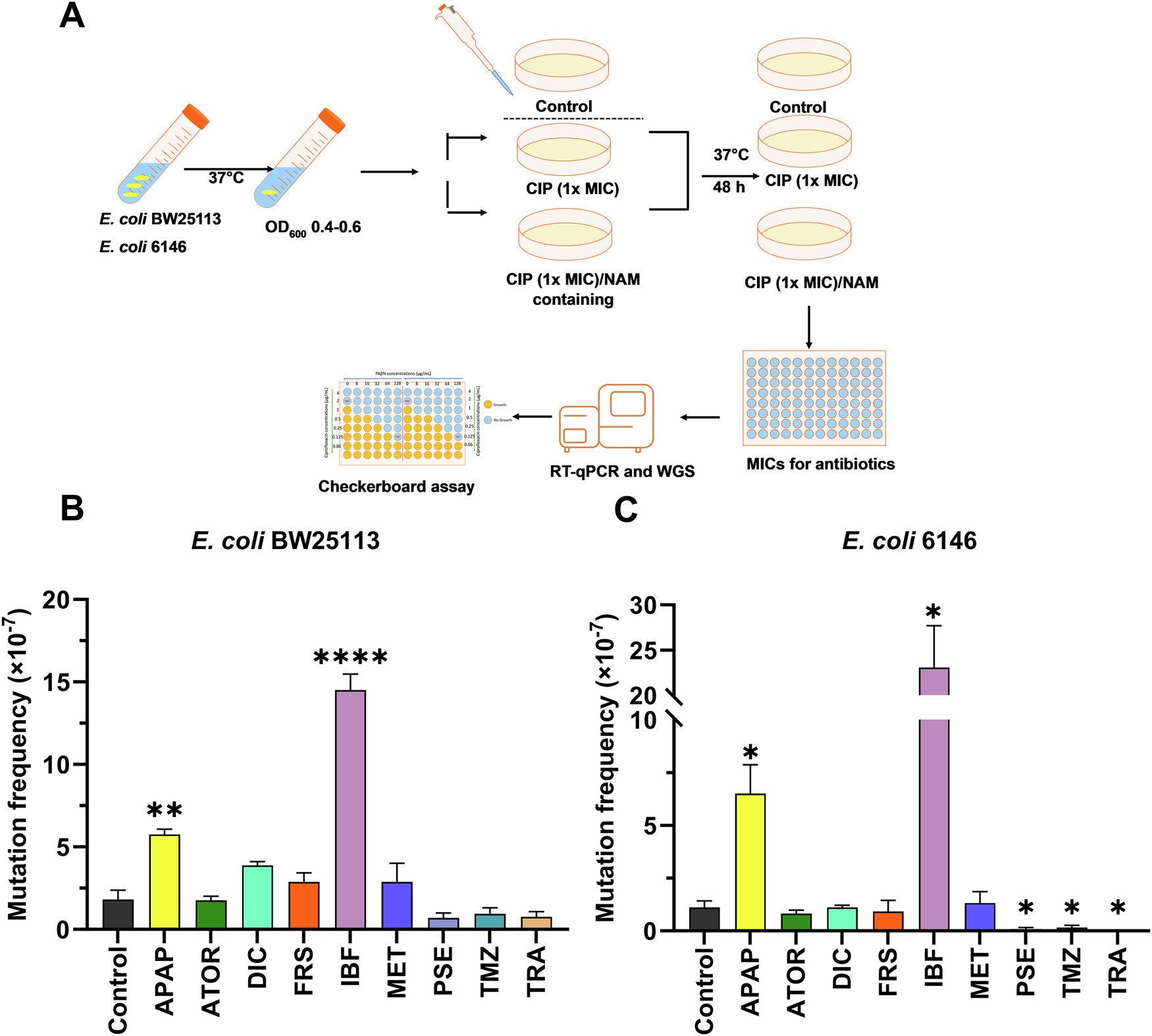
Fig. 1 Workflow of the study


Sunday, August 31, 2025

Common painkillers like Advil and Tylenol supercharge antibiotic resistance

Bad news!

"Painkillers ... — ibuprofen and acetaminophen — may be quietly accelerating one of the world’s greatest health crises: antibiotic resistance. Researchers discovered that these drugs not only fuel bacterial resistance on their own but make it far worse when combined with antibiotics. The findings are especially troubling for aged care settings, where residents commonly take multiple medications, creating perfect conditions for resistant bacteria to thrive. ..."

"... Assessing the interaction of non-antibiotic medications, the broad-spectrum antibiotic ciprofloxacin, and Escherichia coli (E. coli) – a common bacteria that causes gut and urinary tract infections ­­– researchers found that ibuprofen and paracetamol significantly increased bacterial mutations, making E. coli highly resistant to the antibiotic. ..."

From the abstract:
"Antimicrobial resistance (AMR) poses a global threat to public health. While antibiotic overuse is a primary driver, emerging evidence suggests that non-antibiotic medications (NAMs) may also contribute. This concern is particularly relevant in residential aged care facilities (RACFs), where both NAMs and antibiotics are frequently used. We investigated whether nine commonly used NAMs in RACFs, including ibuprofen, diclofenac, acetaminophen, furosemide, metformin, atorvastatin, tramadol, temazepam, and pseudoephedrine at gut-relevant concentrations, enhance ciprofloxacin-induced mutagenesis in Escherichia coli. Our findings showed that ibuprofen and acetaminophen significantly increased mutation frequency and conferred high-level ciprofloxacin resistance. Whole-genome sequencing identified mutations in GyrA, MarR, and AcrR, with the latter two correlated with overexpression of AcrAB-TolC drug efflux pump. Co-exposure to two NAMs further elevated mutation rates and ciprofloxacin resistance levels. This study underscored the overlooked role of NAMs in driving AMR and highlighted the need to reassess polypharmacy risks in aged care settings."

Common painkillers like Advil and Tylenol supercharge antibiotic resistance | ScienceDaily


Fig. 2: Mutation frequencies following exposure to ciprofloxacin and NAMs [non-antibiotic medications].


Sunday, April 06, 2025

A breakthrough moment: Researchers discover new class of antibiotics

Good news! With machine learning & AI we will discover many more new classes of Antibiotics!

The antimicrobial resistance (AMR) alarmism and hysteria is over!

"The last time a new class of antibiotics reached the market was nearly three decades ago — but that could soon change ...

A team ... has identified a strong candidate to challenge even some of the most drug-resistant bacteria on the planet: a new class of antibiotics called lariocidin. ...

team found that the new molecule, a lasso peptide, holds great promise as an early drug lead because it attacks bacteria in a way that’s different from other antibiotics. Lariocidin binds directly to a bacterium’s protein synthesis machinery in a completely new way, inhibiting its ability to grow and survive. ...

Lariocidin is produced by a type of bacteria called Paenibacillus, which the researchers retrieved from a soil sample collected from a ... backyard.  ..."

From the abstract:
"Lasso peptides (biologically active molecules with a distinct structurally constrained knotted fold) are natural products that belong to the class of ribosomally synthesized and post-translationally modified peptides. Lasso peptides act on several bacterial targets, but none have been reported to inhibit the ribosome, one of the main targets of antibiotics in the bacterial cell. 
Here we report the identification and characterization of the lasso peptide antibiotic lariocidin and its internally cyclized derivative lariocidin B, produced by Paenibacillus sp. M2, which has broad-spectrum activity against a range of bacterial pathogens. We show that lariocidins inhibit bacterial growth by binding to the ribosome and interfering with protein synthesis.
Structural, genetic and biochemical data show that lariocidins bind at a unique site in the small ribosomal subunit, where they interact with the 16S ribosomal RNA and aminoacyl-tRNA, inhibiting translocation and inducing miscoding.
Lariocidin is unaffected by common resistance mechanisms, has a low propensity for generating spontaneous resistance, shows no toxicity to human cells, and has potent in vivo activity in a mouse model of Acinetobacter baumannii infection.
Our identification of ribosome-targeting lasso peptides uncovers new routes towards the discovery of alternative protein-synthesis inhibitors and offers a novel chemical scaffold for the development of much-needed antibacterial drugs."

A breakthrough moment: Researchers discover new class of antibiotics


[Caption not available]


Saturday, February 15, 2025

Protein shuttling mechanism helps bacteria pump out antibiotics and virulence factors

Amazing stuff! Are we cracking the defenses of bacteria? Is this the bacterial immune system?

"Just as bailing out water with a bucket can save a sinking boat, certain cells have their own special technology for expelling toxins. Unfortunately, “toxins” can include antibiotic treatments. ...

uncovered the equipment that enables bacteria to survive exposure to antibiotics: a shuttling mechanism that helps a complex of proteins pump out a wide spectrum of antibiotics along with other physiological substrates from the cell. ...

Some bacteria are more resistant to antibiotics than others, with so-called gram-negative bacteria being particularly resilient because they have an extra membrane to armor themselves. They also have a sophisticated plumbing system in the form of a three-part protein complex – MacAB-TolC – that spans the cell’s inner and outer membranes, as well as the periplasm that connects them. Each of the three key proteins occupies a different location: TolC on the outer membrane, MacB on the inner membrane and MacA in the periplasm, although it is anchored on the inner membrane.

This “tripartite” protein complex, also known as a multidrug efflux pump, forms a conduit that drains out not only antibiotics but also virulence factors – i.e., molecules that are produced by the bacterial cell itself and can infect or otherwise compromise its host. ..."

From the highlights and abstract:
"Highlights
• Single-molecule imaging reveals imbalanced stoichiometry of MacAB-TolC components in vivo
• Excess MacB shows spatiotemporal behaviors for efficient substrate sequestration and efflux
• The limiting MacA can disassemble from MacAB-TolC and shuttle among clustered MacB
• Chemical or physical perturbation can compromise MacAB-TolC function
Summary
Multidrug efflux pumps confer not only antibiotic resistance to bacteria but also cell proliferation.
In gram-negative bacteria, the ATP-binding cassette (ABC)-family transporter MacB, the adaptor protein MacA, and the outer membrane protein TolC form the MacA6:MacB2:TolC3 assembly to extrude antibiotics and virulence factors.
Here, using quantitative single-molecule single-cell imaging, we uncover that, in E. coli cells, there is a large excess of MacB (and TolC) driving the limiting adaptor protein MacA mostly into the MacAB-TolC assembly.
Moreover, the excess MacB transporters can dynamically cluster around the assembly, and MacA can dynamically disassemble from the MacAB-TolC assembly, leading to an adaptor protein shuttling mechanism for efficient substrate sequestration from the periplasm toward efflux.
We further show that both MacB clustering and MacAB-TolC assembly can be perturbed chemically or physically via microfluidics-based extrusion loading for compromised antibiotic tolerance. These insights may provide opportunities for countering the activities of multidrug efflux systems for antimicrobial treatments."

Protein shuttling mechanism helps bacteria pump out antibiotics | Cornell Chronicle


Graphical abstract


Thursday, February 13, 2025

Generative AI pipeline creates promising antimicrobial peptides

There is little doubt that with the help of machine learning, AI and quantum computing we will permanently crack antimicrobial resistance any time now!

Humans are at the dawn of outsmarting billions of years of natural evolution!

Whenever one learns of so called "Antimicrobial resistance (AMR)" in the media, one can now dismiss this easily as mostly alarmism and hysteria!

Not only does generative AI create new antimicrobial peptides or even other chemicals, AI can also automatically test them immediately or indicate how to produce them etc..

"A new generative AI model rapidly generates diverse antimicrobial peptide structures for screening against treatment-resistant microbes. Subsequent in vivo studies identified two promising lead candidates for further clinical development and the team behind the work believe this approach could accelerate drug discovery in both peptides and small molecules. ..."

Generative AI pipeline creates promising antimicrobial peptides | Research | Chemistry World

Saturday, November 30, 2024

Pseudomonas Bacteria Escape Immunity by Disrupting Energy Production in Macrophages

Good news! Human ingenuity will defeat antimicrobial resistance!

"... Often a hospital-acquired pathogen, it tends to infect people with burns or weakened immunity, and it has evolved to resist multiple antibiotics and counteract the immune system, rendering it difficult to treat. ...

In a recent publication ... molecular microbiologists ... found that these bacteria release a chemical that inhibits energy generation in the mitochondria of macrophages, thus dampening the immune response.

This work identified a new tactic that P. aeruginosa uses to subvert host immunity, and it intimated a new approach for treating the recalcitrant infection.  ..."

From the eLife assessment and abstract:
"eLife assessment
This important study demonstrates that the Pseudomonas aeruginosa-derived quorum sensing signal, 2-aminoacetophenone, induces immune tolerization in macrophages by perturbing metabolism, particularly in the context of mitochondrial respiration and bioenergetics. The authors present convincing evidence for 2-aminoacetophenone-mediated reduction of pyruvate transport into mitochondria, with downstream effects that result in reduced ATP production in tolerized macrophages. The work will be of interest to those studying host-pathogen interactions.
Abstract
How bacterial pathogens exploit host metabolism to promote immune tolerance and persist in infected hosts remains elusive. To achieve this, we show that Pseudomonas aeruginosa (PA), a recalcitrant pathogen, utilizes the quorum sensing (QS) signal 2’-aminoacetophenone (2-AA). Here, we unveil how 2-AA-driven immune tolerization causes distinct metabolic perturbations in murine macrophages’ mitochondrial respiration and bioenergetics. We present evidence indicating that these effects stem from decreased pyruvate transport into mitochondria. This reduction is attributed to decreased expression of the mitochondrial pyruvate carrier (Mpc1), which is mediated by diminished expression and nuclear presence of its transcriptional regulator, estrogen-related nuclear receptor alpha (Esrra). Consequently, Esrra exhibits weakened binding to the Mpc1 promoter. This outcome arises from the impaired interaction between Esrra and the peroxisome proliferator-activated receptor gamma coactivator 1-alpha (Ppargc1a). Ultimately, this cascade results in diminished pyruvate influx into mitochondria and, consequently reduced ATP production in tolerized murine and human macrophages. Exogenously added ATP in infected macrophages restores the transcript levels of Mpc1 and Esrra and enhances cytokine production and intracellular bacterial clearance. Consistent with the in vitro findings, murine infection studies corroborate the 2-AA-mediated long-lasting decrease in ATP and acetyl-CoA and its association with PA persistence, further supporting this QS signaling molecule as the culprit of the host bioenergetic alterations and PA persistence. These findings unveil 2-AA as a modulator of cellular immunometabolism and reveal an unprecedented mechanism of host tolerance to infection involving the Ppargc1a/Esrra axis in its influence on Mpc1/OXPHOS-dependent energy production and PA clearance. These paradigmatic findings pave the way for developing treatments to bolster host resilience to pathogen-induced damage. Given that QS is a common characteristic of prokaryotes, it is likely that 2-AA-like molecules with similar functions may be present in other pathogens."

Pseudomonas Bacteria Escape Immunity by Disrupting Energy Production in Macrophages | The Scientist Magazine® "Pseudomonas infections are tough to treat, but a new study reveals a chemical they use to subdue macrophages, suggesting new therapeutic avenues."

Wednesday, September 25, 2024

Scientists identify a unique combination of bacterial strains that could treat antibiotic-resistant gut infections

Good news! Perhaps a good mixture of bacteria ("commensal consortia") is more effective!

"Antibiotic-resistant bacterial infections often occur in patients with chronic inflammatory intestinal conditions, such as inflammatory bowel disease, and in patients who have taken antibiotics for a long time. Gram-negative bacteria such as Enterobacteriaceae are a common cause of these infections and have few treatment options. ... 

Fecal microbiota transplants have shown promise to curb some of these infections, but their composition varies between batches and they aren’t always successful.

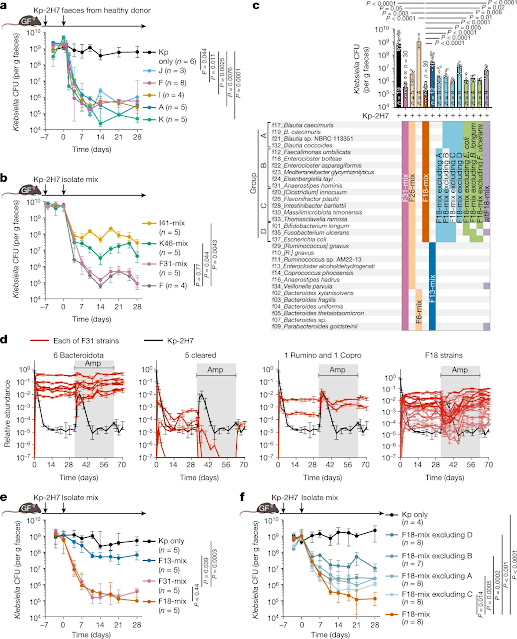
Researchers ... have isolated 18 bacterial strains from stool from healthy people that could potentially be a more effective treatment. The team found that these strains suppress the growth of Enterobacteriaceae and alleviate inflammation in the guts of mice by competing with the harmful bacteria for carbohydrates and preventing them from colonizing the intestine.  ...

Despite two decades of microbiome research, we are just beginning to understand how to define health-promoting features of the gut microbiome,”  ..."

From the abstract:
"Persistent colonization and outgrowth of potentially pathogenic organisms in the intestine can result from long-term antibiotic use or inflammatory conditions, and may perpetuate dysregulated immunity and tissue damage. Gram-negative Enterobacteriaceae gut pathobionts are particularly recalcitrant to conventional antibiotic treatment, although an emerging body of evidence suggests that manipulation of the commensal microbiota may be a practical alternative therapeutic strategy. Here we isolated and down-selected commensal bacterial consortia from stool samples from healthy humans that could strongly and specifically suppress intestinal Enterobacteriaceae. One of the elaborated consortia, comprising 18 commensal strains, effectively controlled ecological niches by regulating gluconate availability, thereby re-establishing colonization resistance and alleviating Klebsiella- and Escherichia-driven intestinal inflammation in mice. Harnessing these activities in the form of live bacterial therapies may represent a promising solution to combat the growing threat of proinflammatory, antimicrobial-resistant Enterobacteriaceae infection."

Scientists identify a unique combination of bacterial strains that could treat antibiotic-resistant gut infections | Broad Institute "The microbes control the growth of harmful bacteria in mice, promoting a healthier intestinal microbiome."


Fig. 1: Elaboration of an 18-strain-consortium capable of decolonizing Klebsiella.


Friday, July 12, 2024

AI able to identify drug-resistant typhoid-like infection from microscopy images in matter of hours

Good news! And this is only the beginning!

The so called antimicrobial resistance (AMR) is much less a problem than it is made to be! More hysteria than reality! Human ingenuity will defeat AMR!

"... One of the challenges facing healthcare workers is the ability to distinguish rapidly between organisms that can be treated with first-line drugs and those that are resistant to treatment. Conventional testing can take several days, requiring bacteria to be cultured, tested against various antimicrobial treatments, and analysed by a laboratory technician or by machine. This delay often results in patients being treated with an inappropriate drug, which can lead to more serious outcomes and, potentially, further drive drug resistance. ...
The algorithm was able to correctly predict in each case whether or not bacteria were susceptible or resistant to ciprofloxacin without the need for the bacteria to be exposed to the drug. This was the case for isolates cultured for just six hours, compared to the usual 24 hours to culture a sample in the presence of antibiotic. ..."

From the abstract:
"Antimicrobial resistance (AMR) is a growing public health crisis that requires innovative solutions. Current susceptibility testing approaches limit our ability to rapidly distinguish between antimicrobial-susceptible and -resistant organisms. Salmonella Typhimurium (S. Typhimurium) is an enteric pathogen responsible for severe gastrointestinal illness and invasive disease. Despite widespread resistance, ciprofloxacin remains a common treatment for Salmonella infections, particularly in lower-resource settings, where the drug is given empirically. Here, we exploit high-content imaging to generate deep phenotyping of S. Typhimurium isolates longitudinally exposed to increasing concentrations of ciprofloxacin. We apply machine learning algorithms to the imaging data and demonstrate that individual isolates display distinct growth and morphological characteristics that cluster by time point and susceptibility to ciprofloxacin, which occur independently of ciprofloxacin exposure. Using a further set of S. Typhimurium clinical isolates, we find that machine learning classifiers can accurately predict ciprofloxacin susceptibility without exposure to it or any prior knowledge of resistance phenotype. These results demonstrate the principle of using high-content imaging with machine learning algorithms to predict drug susceptibility of clinical bacterial isolates. This technique may be an important tool in understanding the morphological impact of antimicrobials on the bacterial cell to identify drugs with new modes of action."

AI able to identify drug-resistant typhoid-like infection from microscopy images in matter of hours | University of Cambridge Artificial intelligence (AI) could be used to identify drug resistant infections, significantly reducing the time taken for a correct diagnosis ...The team showed that an algorithm could be trained to identify drug-resistant bacteria correctly from microscopy images alone.


Fig. 2: Morphological features associated with ciprofloxacin exposure.


Saturday, July 06, 2024

Researchers thwart resistant bacteria's strategy of one particular bacterium

Good news! A welcome antidote to the deafening and long ongoing hysteria about antimicrobial resistance (AMR)! 

Human ingenuity beats any bug (eventually)! It is an arms race, bugs can not win!

Now that we have also AI at our disposal, bugs have no chance anymore! We should actually feel sorry for bacteria! Caution: satire!

"... One such bacterium is Pseudomonas aeruginosa, which is naturally found in soil and water, but also hospitals, nursing homes and similar institutions for persons with weakened immune systems are home for strains of this bacterium. ...
Now, at team of researchers from Department of Biochemistry and Molecular Biology and Department of Clinical Microbiology, University of Southern Denmark, have discovered a weakness in P. aeruginosa with the potential to become the target for a new way to attack it. ..."

"The team discovered a mechanism, that reduces the formation of biofilm on the surface of P. Aeruginosa. The formation of sticky, slimy biofilm is a powerful tool used by bacteria to protect themselves against antibiotics – a trick also used by P. Aeruginosa.

- This biofilm can be so thick and gooey that antibiotic cannot penetrate the cell surface and reach its target inside the cell ...
- Maybe one day, we could pharmacologically stimulate this mechanism to reduce biofilm development on the surface of P. Aeruginosa. ...
Specifically, the researchers worked with three newly discovered genes in a lab-grown strain of P. aeruginosa. When they overexpressed these genes, they saw a strong reduction of biofilm. ..."

From the abstract:
"Bacteriophages (hereafter “phages”) are ubiquitous predators of bacteria in the natural world, but interest is growing in their development into antibacterial therapy as complement or replacement for antibiotics. However, bacteria have evolved a huge variety of antiphage defense systems allowing them to resist phage lysis to a greater or lesser extent. In addition to dedicated phage defense systems, some aspects of the general stress response also impact phage susceptibility, but the details of this are not well known. In order to elucidate these factors in the opportunistic pathogen Pseudomonas aeruginosa, we used the laboratory-conditioned strain PAO1 as host for phage infection experiments as it is naturally poor in dedicated phage defense systems. Screening by transposon insertion sequencing indicated that the uncharacterized operon PA3040-PA3042 was potentially associated with resistance to lytic phages. However, we found that its primary role appeared to be in regulating biofilm formation, particularly in a clinical isolate of P. aeruginosa in which it also altered tobramycin resistance. Its expression was highly growth-phase dependent and responsive to phage infection and cell envelope stress. Our results suggest that this operon may be a cryptic but important locus for P. aeruginosa stress tolerance."

Researchers thwart resistant bacteria's strategy

Researchers thwart resistant bacteria’s strategy (original news release) Bacteria are experts at evolving resistance to antibiotics. One resistance strategy is to cover their cell walls in sticky and gooey biofilm that antibiotics cannot penetrate. A new discovery could put a stop to this strategy.


Fig 2 Overexpression of the PA3040-PA3042 operon inhibits biofilm formation without affecting growth rate


Clare Kirkpatrick, the senior researcher


Sunday, June 02, 2024

Selective antibiotic can kill deadly bacteria while sparing the microbiome

Good news! This could be a long awaited breakthrough! With the help of AI we will finish any natural pathogens in the near future!

Time to say goodbye to the long dreaded scourge of antimicrobial resistance and the overkill of broad-spectrum antibiotics!

Now we need to speed up the government approval process for new drugs!

"... Pathogens classified as Gram-negative bacteria are often hardy, virulent and quick to evolve resistance to antibiotics. Only a few drugs can knock them out, and these also destroy beneficial gut bacteria.

Now scientists have developed an antibiotic that kills pathogenic Gram-negative bacteria — even those resistant to many other drugs — without impairing the gut microbiome. So far, it has been studied only in mice, but if the compound works in humans ...
Lolamicin had anti-microbial effects against more than 130 multidrug-resistant strains of bacteria growing in laboratory dishes. Mice that developed blood stream infections after exposure to antibiotic-resistant bacteria all survived after being given lolamicin, whereas 87% of those that didn’t receive the compound died within three days. ..."

From the abstract:
"Infections caused by Gram-negative pathogens are increasingly prevalent and are typically treated with broad-spectrum antibiotics, resulting in disruption of the gut microbiome and susceptibility to secondary infections. There is a critical need for antibiotics that are selective both for Gram-negative bacteria over Gram-positive bacteria, as well as for pathogenic bacteria over commensal bacteria. Here we report the design and discovery of lolamicin, a Gram-negative-specific antibiotic targeting the lipoprotein transport system. Lolamicin has activity against a panel of more than 130 multidrug-resistant clinical isolates, shows efficacy in multiple mouse models of acute pneumonia and septicaemia infection, and spares the gut microbiome in mice, preventing secondary infection with Clostridioides difficile. The selective killing of pathogenic Gram-negative bacteria by lolamicin is a consequence of low sequence homology for the target in pathogenic bacteria versus commensals; this doubly selective strategy can be a blueprint for the development of other microbiome-sparing antibiotics."

‘Smart’ antibiotic can kill deadly bacteria while sparing the microbiome Compound called lolamicin targets a group of harmful microbes but does not disturb those that live peacefully in the gut.

New antibiotic kills pathogenic bacteria, spares healthy gut microbes (original news release)

A Gram-negative-selective antibiotic that spares the gut microbiome (no public access)


The pathogen slayers from the University of Illinois Urbana-Champaign


Tuesday, September 05, 2023

Titanium spikes kill superbugs drug-free by literally ripping them apart

Don't buy into this alarmism and hysteria of superbugs and antimicrobial resistance (AMR)!

Human ingenuity can and will defeat bacteria and viruses as needed!

"... But, researchers from RMIT University have come up with a novel, drug-free way to kill superbugs that’s inspired by the antimicrobial surface on the wings of some insects. Insects such as dragonflies, cicadas, and damselflies have tiny pillars – nanopillars – on the surface of their wings that act as a “mechano-biocidal,” physically pulling apart bacterial cells and killing them. ...
So, the researchers set about creating their own mechano-biocidal, developing a titanium surface covered with specially designed microscale spikes, each about the size of a bacteria cell, using a technique called plasma etching.
They tested the effectiveness of the surface in killing multi-drug-resistant Candida and found that about half the cells were destroyed soon after making contact with the spikes. Significantly, the other half – the cells that were not immediately destroyed – were injured enough that they were unable to reproduce or cause infection. ...
The micropillared titanium surface had already been found to be effective against two common pathogens, Staphylococcus aureus (‘Golden Staph’) and Pseudomonas aeruginosa bacteria, in a previous study published in the journal Materialia. ..."

From the abstract:
"The proportion of hospital-acquired medical device infections caused by pathogenic, multi-drug resistant Candida species occurs in up to 10% of implantations. In this study, a unique antifungal micro-pillared titanium surface pattern is developed, which demonstrates both fungicidal and fungistatic activity, persistently deterring biofilm formation by Candida albicans and multi-drug resistant Candida auris fungi for up to 7 days. The Ti micropillars of 3.5 µm height are fabricated using maskless inductively coupled plasma reactive ion etching. The micro-textured surface consistently kills ≈50% of Candida spp. irreversibly attached cells and prevent the proliferation of the remaining cells by inducing programmed cell death. Proteomic analysis reveals that Candida cells undergo extensive metabolic stress, preventing the transformation from yeast to the filamentous/hyphal cell phenotype that is essential for establishing a typical in vitro biofilm. The mechanical stress imparted following interaction with the micropillars injures attaching cells and induces apoptosis whereby the Candida cells are unable to be revived in a non-stress environment. These findings shed new insight toward the design of durable antifungal surfaces that prevent biofilm formation by pathogenic, multi-drug resistant yeasts."

Titanium spikes kill superbugs drug-free by literally ripping them apart Inspired by the bacteria-killing structures seen on the wings of some insects, researchers have developed a drug-free way to kill off drug-resistant microbes that commonly cause hospital-acquired infections. Their technique is a novel and effective way of tackling the problem of antibiotic-resistant superbugs.

Titanium micro-spikes skewer resistant superbugs A new study suggests rough surfaces inspired by the bacteria-killing spikes on insect wings may be more effective at combatting drug-resistant superbugs, including fungus, than previously understood.

Apoptosis of Multi-Drug Resistant Candida Species on Microstructured Titanium Surfaces (open access)


An intact Candida cell on polished titanium surface (left), and a ruptured Candida cell on the micro-spiked titanium surface (right)


Wednesday, April 06, 2022

Bacteria eating Viruses that could save millions of lives

Very recommendable! Good news! Perhaps, bacteriophages will be an effective antidote to antimicrobial resistance!

The article mentions that a pioneering scientist Giorgi Eliava from Georgia was killed by Beria on the order of Stalin. According to the article Beria was from Georgia, but fails to mention that Stalin was from Georgia too:
"It didn't help that the man who did most to develop [bacteriophage], Georgian scientist Giorgi Eliava, was executed in 1937 on the orders of another Georgian, Lavrentiy Beria, Stalin's most notorious henchman and the head of his secret police."

"... This small nation in the Caucasus [Georgia] has pioneered research on a groundbreaking way to tackle the looming nightmare of bacteria becoming resistant to the antibiotics on which the world depends.
Long overlooked in the West, bacteriophages or bacteria-eating viruses are now being used on some of the most difficult medical cases ...
While phages-based medicines cannot completely replace antibiotics, researchers say they have major pluses in being cheap, not having side-effects nor damaging organs or gut flora.
"We produce six standard phages that are of wide spectrum and can heal multiple infectious diseases," ...
In some 10 to 15 percent of patients, however, standard phages don't work and "we have to find ones capable of killing the particular bacterial strain," ...
Tailored phages to target rare infections can be selected from the institute's massive collection -- the world's richest -- or be found in sewage or polluted water or soil  ...
hundreds of patients from around the globe who arrive in Georgia every year for last-resort treatment ...
In 2019, the United States Food and Drug Administration (FDA) authorised a clinical study on the use of bacteriophages to cure secondary infections in Covid patients.
Beyond medicine, phages are already being used to stop food going off, and they "can be used in agriculture to protect crops and animals from harmful bacteria," ...
Bacteriophages also have potential to counter biological weapons and combat bioterrorism, with Canadian researchers publishing a 2017 study on using them to counter an anthrax attack on crowded public places."

Viruses that could save millions of lives It may seem strange after a pandemic that has killed millions and turned the world upside down, but viruses could save just as many lives.

Wednesday, March 09, 2022

Researchers discover unique lysin capable of killing multidrug-resistant bacteria

Good news! Antimicrobial resistance (AMR) is destined to become history!

"Researchers ... have identified a novel phage lysin — Abp013 — that could be used as an alternative antimicrobial agent against two of the most deadly bacteria: Acinetobacter baumannii and Klebsiella pneumoniae

Lysins — enzymes produced by bacteriophages — have displayed great potential as a novel class of antimicrobials as their properties allow them to quickly and directly target key structural components of a bacteria’s cell walls, and in doing so, reduce the bacteria’s ability to develop resistance. ...
Lysins have been highly effective in fighting Gram-positive bacteria — which do not have an outer lipid membrane and are thus easily killed by lysins. Conversely, in Gram-negative bacteria, the presence of an outer membrane impedes many lysins from killing the bacteria efficiently. Hence, the discovery of novel lysin Abp013 is crucial in advancing treatment methods against multidrug-resistant Gram-negative pathogens. ...
Abp013 is the first Gram-negative lysin found to display host selectivity. Prior to the discovery of Abp013, no other lysins are capable of targeting Acinetobacter baumannii and Klebsiella pneumoniae, but not Pseudomonas aeruginosa. Understanding the mechanism behind such selectivity will help guide the development of lysin variants customized to only target pathogenic bacteria, for more precise treatment of bacterial infections ..."

From the abstract:
"... Lysins are bacteriophage-encoded peptidoglycan hydrolases that display great potential as a novel class of antimicrobials for therapeutics. While lysins against Gram-positive bacteria are highly effective when applied exogenously, it is challenging for lysins to access and cleave the peptidoglycan of Gram-negative bacteria due to their outer membrane. In this study, we identify a novel phage lysin Abp013 against Acinetobacter baumannii. Abp013 exhibited significant lytic activity against multidrug-resistant strains of A. baumannii. Notably, we found that Abp013 was able to tolerate the presence of human serum by up to 10% ..."

SMART researchers discover unique lysin capable of killing multidrug-resistant bacteria | MIT News | Massachusetts Institute of Technology Novel lysin Abp013 has shown promising antimicrobial ability against Acinetobacter baumannii and Klebsiella pneumoniae.


Monday, January 24, 2022

Global burden of bacterial antimicrobial resistance in 2019: a systematic analysis

Recommendable! This is a major study on this subject!

Antimicrobial resistance has been known to be a major health issue for several decades. It is somewhat surprising that we still do not have better remedies for it given all the rapid knowledge we are accumulating.

"... To our knowledge, this study provides the first comprehensive assessment of the global burden of AMR, as well as an evaluation of the availability of data. AMR is a leading cause of death around the world, with the highest burdens in low-resource settings. ...
On the basis of our predictive statistical models, there were an estimated 4.95 million (3·62–6·57) deaths associated with bacterial AMR in 2019, including 1.27 million (95% UI 0·911–1·71) deaths attributable to bacterial AMR. At the regional level, we estimated the all-age death rate attributable to resistance to be highest in western sub-Saharan Africa, at 27·3 deaths per 100 000 (20·9–35·3), and lowest in Australasia, at 6·5 deaths (4·3–9·4) per 100 000. Lower respiratory infections accounted for more than 1·5 million deaths associated with resistance in 2019, making it the most burdensome infectious syndrome. The six leading pathogens for deaths associated with resistance (Escherichia coli, followed by Staphylococcus aureus, Klebsiella pneumoniae, Streptococcus pneumoniae, Acinetobacter baumannii, and Pseudomonas aeruginosa) were responsible for 929 000 (660 000–1 270 000) deaths attributable to AMR and 3·57 million (2·62–4·78) deaths associated with AMR in 2019. ..."

Global burden of bacterial antimicrobial resistance in 2019: a systematic analysis - The Lancet (open access)

Wednesday, January 27, 2021

Immuno-antibiotics: A New Frontier in the Fight Against Antimicrobial Resistance

Good news! A new class of antibiotics has been developed! The race for the cure!

"... the many antibiotic misuses and over-uses that have led to the development and spread of antimicrobial resistance (AMR), one of the greatest threats to human health of our time. And one of the most under-reported. ... Almost a century after the discovery of penicillin, an estimated 700,000 people die each year due to antibiotic-resistant infections such as tuberculosis and malaria ...
Not to mention the economic burden to patients and the health care system. In 2006, hospital-acquired sepsis and pneumonia cost the U.S. health care system more than $8 billion. ...
In the last two decades, only a few new antibiotics have been approved for clinical use and resistant bacteria have already emerged against these new drugs. ...
The new compounds, named immuno-antibiotics, kill bacteria by blocking a metabolic pathway that is essential for them to grow and survive. Though at the same time, these drugs potently activate a subset of T cells involved in immune responses to a wide variety of viral and bacterial infections, adding a second line of attack.
When tested on patient-derived, drug-resistant bacteria and in preclinical models of infection, immuno-antibiotics outperformed the current best-in-class antibiotics.
Creating a synergy between the direct killing of antibiotics and the natural power of the immune system, immuno-antibiotics have the potential to represent a milestone in the fight against AMR."

"... Isoprenoids are vital for all organisms, in which they maintain membrane stability and support core functions such as respiration. IspH, an enzyme in the methyl erythritol phosphate pathway of isoprenoid synthesis, is essential for Gram-negative bacteria, mycobacteria and apicomplexans ...After modification of these compounds into prodrugs for delivery into bacteria, we show that they kill clinical isolates of several multidrug-resistant bacteria—including those from the genera Acinetobacter, Pseudomonas, Klebsiella, Enterobacter, Vibrio, Shigella, Salmonella, Yersinia, Mycobacterium and Bacillus—yet are relatively non-toxic to mammalian cells. Proteomic analysis reveals that bacteria treated with these prodrugs resemble those after conditional IspH knockdown. Notably, these prodrugs also induce the expansion and activation of human Vγ9Vδ2 T cells in a humanized mouse model of bacterial infection. The prodrugs we describe here synergize the direct killing of bacteria with a simultaneous rapid immune response by cytotoxic γδ T cells ..."

Immuno-antibiotics: A New Frontier in the Fight Against Antimicrobial Resistance

Here is the underlying research paper:

Saturday, February 22, 2020

Artificial intelligence yields new antibiotic

Great news! And this is only the beginning! Antibiotic resistance is history!

"to harness the power of artificial intelligence to usher in a new age of antibiotic drug discovery ... “The machine learning model can explore, in silico, large chemical spaces that can be prohibitively expensive for traditional experimental approaches,” ... Over the past few decades, very few new antibiotics have been developed, and most of those newly approved antibiotics are slightly different variants of existing drugs."

Artificial intelligence yields new antibiotic | MIT News: Using a new machine-learning algorithm, MIT researchers have identified a powerful antibiotic that can kill a wide range of species of pathogenic bacteria, including some that are resistant to all known antibiotics.

"A pioneering machine-learning approach has identified powerful new types of antibiotic from a pool of more than 100 million molecules — including one that works against a wide range of bacteria, including tuberculosis and strains considered untreatable. ... The researchers say the antibiotic, called halicin, is the first discovered with artificial intelligence (AI) ... One of these — a molecule being investigated as a diabetes treatmentturned out to be a potent antibiotic, which they called halicin after HAL, the intelligent computer in the film 2001: A Space Odyssey."


Powerful antibiotics discovered using AI Machine learning spots molecules that work even against ‘untreatable’ strains of bacteria.