Showing posts with label substance use disorders. Show all posts

Wednesday, September 30, 2026

How stoned are older Americans?

Serious stuff! Cause for concern! About 1% of older Americans are addicted to Cannabis.

"One in Nine Older Adults Who Use Cannabis Meet Criteria for Cannabis Use Disorder"

"Key Takeaways
  • An estimated 8.9% of U.S. adults aged 65 and older used cannabis in the past year.
  • Among older adults who used cannabis in the past year, 11.4% met criteria for cannabis use disorder, most with mild severity.
  • More frequent cannabis use was associated with a greater likelihood of cannabis use disorder.
..."

From the abstract:
"Background and aims
Cannabis use is increasing among older adults in the United States (US); however, little is known regarding details of use or cannabis use disorder (CUD) in this population. This study aimed to describe cannabis use and CUD among older adults in the US.

Design
Secondary analysis of the 2021–2024 National Survey on Drug Use and Health, an annual cross-sectional nationally representative sample of noninstitutionalized people aged ≥12 living in the US.

Setting
United States.

Participants
Noninstitutionalized individuals age ≥65 years (unweighted N = 21 189).

Measurements
We estimated the prevalence of cannabis use by recency (any past 12-month use and past 30-day use), meeting two or more Diagnostic and Statistical Manual of Mental Disorders (DSM)-5 CUD criteria, as well as CUD severity and individual CUD criteria among adults age ≥65 years who used cannabis in the past 12 months. Cannabis use and CUD were compared across sociodemographic and health-related characteristics, modality of use (2022–2024 only), and individual CUD criteria. Bivariable generalized linear regression models estimated the relative risk (RR) of CUD for older adults with each characteristic and modality of cannabis use.

Results
An estimated 8.9% of older adults used cannabis in the past 12 months, and among them, 11.4% met criteria for CUD (76.0% mild, 20.1% moderate, and 3.9% severe CUD).
Smoking was the most common modality of past 12-month use (65.8%), followed by eating or drinking (40.5%), and vaping (15.4%); 19.9% had a doctor recommend any cannabis use.
Among older adults with CUD, the most common CUD criteria met were spending time obtaining, using, and recovering from the drug's effects (74.4%) and craving (67.5%).
Male older adults were at higher risk for CUD than their female counterparts [RR = 1.69, 95% confidence interval (CI): 1.12–2.55], as were those ever arrested and booked (RR = 1.59, 95% CI = 1.07–2.37), with past-year mental illness (RR = 2.93, 95% CI: 1.85–4.65), past-year tobacco use (RR = 1.52, 95% CI: 1.04–2.20) or drug use other than cannabis (RR = 3.22, 95% CI: 2.15–4.84), smoking as a mode of cannabis use (RR = 4.94, 95% CI: 2.39–10.23), and frequent cannabis use (e.g., ≥300 days vs. <300 days per year, RR = 3.70, 95% CI: 2.30–5.96).

Summary
One in nine older adults in the United States who have used cannabis in the past 12 months meet criteria for cannabis use disorder. Cannabis use screening, cannabis use disorder treatment, and additional intervention to prevent worsening severity are needed to minimize cannabis-related harms among older US adults."

Global Health NOW: Fighting Fuels Yemen’s Health Crisis; and Bolstering Menopause Care Behind Bars


Saturday, August 01, 2026

Over 21 million Americans used marijuana daily or near-daily in 2025 and other addictions

Bad news! For how long has this been going on? A nation on high! 😊

How many individuals kick their habit eventually? I bet quite a few.

On a positive note: Adolescent use of marijuana seems to be trending downward since 2021. Similar substance use disorders. (see infographics below).

"... This week the Substance Abuse and Mental Health Services Administration released the results from its latest National Survey on Drug Use and Health. These showed that around 21.4 million Americans used marijuana daily or near-daily last year. Compare that to the 19.9 million Americans who smoked daily and the 17.2 million who drank alcohol at least 20 days a month.

Can a country built on whiskey, beer, and tobacco thrive when it becomes a nation fueled by weed? ..."

Breitbart Business Digest


2025 National Survey on Drug Use and Health (NSDUH) Releases "Conducted annually, the National Survey on Drug Use and Health (NSDUH) provides nationally representative data on the use of tobacco, alcohol, and illicit drugs; substance use disorders; mental health conditions; suicidal thoughts and behavior; and receipt of substance use and mental health treatment among the civilian, noninstitutionalized population aged 12 or older in the United States. NSDUH estimates allow researchers, clinicians, policymakers, and the general public to better understand and improve the nation’s behavioral health. These reports and detailed tables present national estimates from the 2025 National Survey on Drug Use and Health (NSDUH)."

The source of the charts below.


Saturday, July 11, 2026

Brain glutamate changes could link cannabis use to a higher risk of psychosis

More bad news for e.g. recreational cannabis use! Got to be careful using such drugs!

"... Researchers ... recently carried out a study exploring the possibility that brain glutamate levels could partly explain the relationship between cannabis use and psychotic symptoms. Their paper, published in Molecular Psychiatry, suggests that differences in glutamate levels could be one of the biological pathways linking cannabis use to psychosis. ...

As part of their study, ... examined 79 people with varying levels of psychosis vulnerability. Some of these participants had no known psychiatric conditions and were not experiencing any mental health-related symptoms. Others were considered at a high risk of experiencing psychosis. Finally, a portion of participants were diagnosed with psychosis.

All the participants completed clinical assessments to determine whether they were experiencing positive psychosis symptoms (i.e., hallucinations and delusions), negative psychosis symptoms (i.e., low motivation, a reduced ability to feel pleasure, social withdrawal and a lack of emotional expression), or mood-related symptoms. The researchers also collected information about the patients' cannabis use and analyzed their urine to detect any recent use of the substance.

Finally, the researchers examined the participants' brains using a technique called ultra-high-field 7 Tesla magnetic resonance spectroscopy (1HMRS). This technique allowed them to measure the concentration of specific chemicals in the brain, particularly in a brain region called the anterior cingulate cortex (ACC). ..."

From the abstract:
"Cannabis use is linked to elevated psychosis risk, yet the neurobiological mechanisms that couple use to symptom expression remain unclear. Because glutamatergic dysregulation has been implicated in both cannabis effects and psychosis vulnerability, we examined whether brain glutamate relates to dimensional psychosis symptoms as a function of cannabis use across the psychosis spectrum.
Seventy-nine participants—typically developing controls, clinical high-risk individuals, and patients with psychosis—completed dimensional clinical assessments, detailed cannabis use surveys, urine toxicology, and ultra-high-field 7T magnetic resonance spectroscopy (1HMRS) of the anterior cingulate cortex (ACC).
Linear models assessed the main and interactive effects of ACC glutamate and cannabis use on psychopathology symptoms.
Self-reported cannabis use showed good concordance with urine toxicology, with strongest agreement among frequent users.
Both lower ACC glutamate and higher cannabis use were independently associated with positive and negative psychosis symptoms.
Notably, lower glutamate levels were associated with higher positive symptoms in cannabis users but not cannabis non-users.
Exploratory analyses suggested interactions for depressive and manic symptoms, indicating that glutamatergic abnormalities may amplify the overall severity of cannabis-related symptoms.
Sensitivity analyses revealed lower ACC glutamate in psychosis patients—especially cannabis users—highlighting diagnostic group differences and reinforcing the link between cannabis exposure and glutamatergic dysfunction. These findings implicate ACC glutamatergic dysfunction as a transdiagnostic correlate of symptom burden, particularly in those with psychosis who are cannabis users. Glutamate-targeted interventions and longitudinal designs will be needed to examine causal pathways linking cannabis exposure to psychosis-relevant outcomes."

Brain glutamate changes could link cannabis use to a higher risk of psychosis


Fig. 1: Individual metabolite quantification and voxel overlap in single-voxel spectroscopy (SVS) ¹HMRS.


Fig. 4: Glutamate × cannabis interactions predicting dimensional psychosis symptoms.


Saturday, July 04, 2026

Immune molecule may drive excessive drinking in alcohol use disorder

Good news, but progess on this subject is slow!

"The drugs that keep rheumatoid arthritis in check may one day help people stop drinking. A new ... study shows that an anti-inflammatory molecule, already approved by the U.S. Food and Drug Administration to treat autoimmune diseases, reduces excessive alcohol consumption in alcohol-dependent female mice. ..."

From the abstract:
"Alcohol use disorder (AUD) is one of the most prevalent mental health disorders worldwide yet effective therapeutics remain limited.
Mounting evidence indicates that dysregulated immune signaling in the brain plays a role in AUD pathophysiology. Activation of pro-inflammatory pathways like the interleukin-6 (IL-6) pathway represents a potential point of convergence between synaptic dysfunction and motivational changes in AUD that remain undiscovered.
Thus, using a translational neuroscience approach and well-established model of chronic alcohol intake, we investigated the cell-type specific role of IL-6 signaling in the central amygdala, a critical region in the development and maintenance of alcohol dependence.
We demonstrate that chronic alcohol exposure recruits IL-6-related pathways in humans and rodents via astrocytic, neuronal, and microglial mechanisms, and that IL-6 inhibits central amygdala GABAergic transmission.
Notably, systemic administration of an IL-6 receptor antibody decreased alcohol drinking in alcohol-dependent female mice.
Collectively, our findings support IL-6 inhibition as a novel-neuroimmune-targeted therapeutic strategy to reduce excessive drinking in the context of AUD."

Immune molecule may drive excessive drinking in alcohol use disorder | Scripps Research "Scripps Research scientists showed that blocking an immune molecule tied to inflammation reduced alcohol consumption in mice."


Fig 1 IL-6 signaling pathway and overall experimental timeline.


Wednesday, July 01, 2026

Tobacco Use in India Has Halved since the year 2000

Good news! Unfortunately, the article does not explain why and Google search fails on this subject.

I am not sure you can say something similar about China. On my recent visit to China, I noticed that smoking in public is still very frequent and prevalent among Chinese adults (mostly men, but women too). "China is the world's largest consumer and producer of tobacco, with nearly 300 million adult smokers—accounting for roughly one-third of the global total. While the adult smoking rate is around 23.2%, over half of all adult men smoke, compared to fewer than 2% of women." (Google search)

"... Some countries have seen a decline in smoking among men, but a rise among women. This is not the case in India: tobacco use has fallen substantially for both sexes. ..."

Tobacco Use in India Has Halved This Century - Human Progress


Tuesday, June 30, 2026

A new vaccine that teaches the immune system to rapidly neutralize fentanyl and new emerging synthetic fentanyl analogs

Good news!

"... Now, scientists at Scripps Research have shown the feasibility of a completely different approach to combating fentanyl deaths: a vaccine that teaches the immune system to rapidly neutralize the drug before it reaches the brain in the first place. The research ... suggests that their vaccine candidate could work against not only fentanyl itself, but most fentanyl-related “designer drugs”—altered versions of fentanyl made to boost its effects or evade detection. ...

When the team tested the resulting antibodies against different fentanyl designer drugs, the vaccine showed exactly the kind of pan specificity they had been looking for. The antibodies bound tightly to fentanyl and other dangerous variants—including carfentanil, China White, acetylfentanyl and furanylfentanyl. Yet they ignored clinically used opioids like morphine, oxycodone, remifentanil and alfentanil. 

More importantly, when vaccinated mice were given fentanyl doses that would normally cause severe respiratory depression, the animals’ breathing remained nearly normal. Measurements of fentanyl concentration in the brain showed that the vaccine had reduced levels there by roughly 70% compared to mice that didn’t receive the vaccine. ..."

From the abstract:
"Synthetic opioids pose a chemically evolvable threat, in which extreme potency and rapid diversification allow fentanyl analogues to outpace structure-specific countermeasures. Immune strategies largely responded by copying the parent chemotype, implicitly treating small-molecule recognition as scaffold-dependent. Here, we examined an alternative hypothesis: adaptive immunity can recover fentanyl-class identity from transferable spatial and physicochemical information. Replacing the canonical piperidine of fentanyl with a 2-azaspiro[3.3]heptane, we created a chemically orthogonal immunogen with a radically altered three-dimensional arrangement.
Despite this, vaccination elicited high-titer cross-reactive antibodies, broad fentanyl-analogue binding, and protection matching a fentanyl-derived benchmark. Fentanyl antinociception shifted into the ∼1.1–2.1 mg kg–1 range, preserved ventilation during respiratory challenge, and reduced brain fentanyl from 61.9 ± 10.0 to 17.2 ± 0.7 nM.
These results reveal programmable antibody recognition, demonstrating that molecular class identity arises not from direct structural mimicry but through higher-order spatial and physicochemical relationships."

A fentanyl countermeasure that adapts to combat future black-market drugs | Scripps Research "Scripps Research scientists developed a vaccine that teaches the immune system to rapidly neutralize fentanyl and new emerging synthetic fentanyl analogs."


Graphical abstract (?)


Fentanyl (yellow structure) and the antibody's binding pocket (green structure)—showing how the antibody recognizes the overall shape of the new molecule, rather than one particular scaffold.


Tuesday, February 24, 2026

Cannabis use among adolescents increases the risks of being diagnosed with bipolar and psychotic disorders

Bad news! However, this study is based only on self reported use. Apparently, the study also did not investigate the intensity of the use of Cannabis.

Not a good idea for children/teenagers to consume such drugs!

"Cannabis use among adolescents increases the risks of being diagnosed with bipolar and psychotic disorders, as well as anxiety and depression, years later, per a new longitudinal study in JAMA Health Forum that analyzed data on 460,000 teenagers in Northern California for a 25–year period."

"... Findings  In this cohort study of 463 396 adolescents aged 13 to 17 years who were universally screened for cannabis use, past-year cannabis use was associated with a significantly increased risk of incident psychotic, bipolar, depressive, and anxiety disorders by age 26 years. ...

Results ... Of 463 396 adolescents (... mean [SD] age, 14.5 [1.3] years) included in the sample ... At baseline, 26 345 adolescents (5.7%) self-reported past-year cannabis use.
Past-year cannabis use was associated with an increased risk of incident psychotic (adjusted hazard ratio [AHR], 2.19; 95% CI, 1.97-2.42), bipolar (AHR, 2.01; 95% CI, 1.82-2.22), depressive (AHR, 1.34; 95% CI, 1.30-1.39), and anxiety disorders (AHR, 1.24; 95% CI, 1.21-1.28). The strength of the associations between cannabis use and incident depressive and anxiety disorders decreased as adolescents aged. ... "

"... Researchers analyzed health data on 460,000 teenagers in the Kaiser Permanente Health System in Northern California. The teens were followed until they were 25 years old. The data included annual screenings for substance use and any mental health diagnoses from the health records. Researchers excluded the adolescents who had symptoms of mental illnesses before using cannabis. ...

They found that the teens who reported using cannabis in the past year were at a higher risk of being diagnosed with several mental health conditions a few years later, compared to teens who didn't use cannabis. ..."

Global Health NOW: The Power of Polio Influencers in Malawi; and Fiji’s ‘Tsunami’ of HIV Infections


Friday, February 20, 2026

Spiritual practices strongly associated with reduced risk for hazardous alcohol and drug use, A Meta-Analysis of Longitudinal Studies

Getting high on religion and religious community may indeed help!

Pray and meditate more and be better off!

"Individuals who engaged in spirituality were significantly less likely to exhibit hazardous use of alcohol, tobacco, marijuana, and illicit drugs, according to a new meta-analysis led by researchers at Harvard T.H. Chan School of Public Health.
The meta-analysis is the first of its kind to synthesize and comprehensively estimate associations between harmful or hazardous substance use and spirituality—considered any practice, religious or otherwise, through which an individual finds ultimate meaning, purpose, and connection to something greater than themselves.  ...

The meta-analysis found that broad spiritual practices, including spiritual and religious community involvement, attending religious services, meditation, and prayer, reduced individuals’ risk of dangerous alcohol and drug use by 13%. This reduction was greater (18%) among individuals attending religious services at least once per week. The results were consistent across all of the drug categories studied (alcohol, tobacco, marijuana, and illicit drugs). ..."

From the key points and abstract:
"Key Points
Question  What is the association between spiritual exposures and related drug use outcomes?

Findings  This meta-analysis of 55 rigorous studies on spirituality and harmful or hazardous drug use (alcohol, tobacco, marijuana, or illicit drugs) documented a significant protective association of 13% related to both prevention and recovery. The risk reduction, which extended across all 4 drug categories, reached 18% for individuals with greater than weekly religious service attendance.

Meaning
These results have implications for clinicians and communities regarding future strategies to address harmful or hazardous alcohol or other drug use.

Abstract
Importance
This meta-analysis examines rigorous longitudinal 21st century studies on the associations of spirituality with harmful or hazardous alcohol and other drug (AOD) use.

Objective
To synthesize findings from independent studies about spirituality and AOD use and to produce a comprehensive estimate of the overall effect size of the associated risk reduction.

Data Sources
Studies previously identified in the Balboni and colleagues review on the association between spiritual exposures (including religion) and alcohol, tobacco, marijuana, or other drugs were pooled.  ...

Study Selection
From an initial retrieval of more than 20 000 articles, a total of 55 spirituality studies (as defined by Puchalski and colleagues) that were
(1) published 2000-2022 in the English language,
(2) used validated measures of spirituality,
(3) examined longitudinal associations between spirituality and AOD use, and
(4) were either prospective cohort studies with sample sizes of 1000 or more or randomized clinical trials (eg, public health interventions) with sample sizes of 100 or more, were captured.

Data Extraction and Synthesis
Preferred Reporting Items for Systematic Reviews and Meta-Analyses (PRISMA) reporting guidelines were used for abstracting data and assessing quality and validity. Eligible studies were those that reported quantitative outcomes measuring AOD use in relation to spiritual exposures, provided sufficient data to calculate log-relative risks (log-RR) and associated error terms, and focused on either preventive effect (eg, delayed initiation) or recovery-related outcomes (eg, cessation). Effects extracted were transformed into log-RR based on the type of effect.

Main Outcomes and Measures  The primary outcome was the association between spiritual or religious involvement and AOD. Subgroup analyses examined differences by AOD use type (alcohol, tobacco, marijuana, and illicit drugs) and exposure type (spiritual or religious attendance vs broader spiritual exposures).

Results
Results from the 55 studies, which collectively included 540,712 participants, documented a significant protective association related to both prevention and recovery between spirituality and AOD use outcomes.
Specifically, a consistent 13% risk reduction extended across the studied drugs (RR, 0.87; 95% CI, 0.84-0.91), a figure that reached 18% for individuals engaging in spiritual or religious communities (defined as >weekly religious service attendance; RR, 0.82; 95% CI, 0.75-0.89).
Virtually all 134 effects extracted from the studies demonstrated protective, not detrimental, results. Multiple sensitivity analyses confirmed the robustness of evidence.

Conclusions and Relevance
The results of this meta-analysis regarding a protective association between spirituality and AOD use have implications for clinicians and communities regarding future strategies for AOD use prevention and recovery."

Spiritual practices strongly associated with reduced risk for hazardous alcohol and drug use | Harvard T.H. Chan School of Public Health


Thursday, October 23, 2025

Cannabis use and addiction have been associated with genes also linked to bipolar disorder, obesity, and other traits

Recommendable! Cannabis use is also heritable!

"Cannabis use and addiction have been associated with genes also linked to bipolar disorder, obesity, and other traits, per a new genome-wide association study published in Molecular Psychiatry; while the findings may one day lead to treatments for cannabis use disorder, researchers caution that clinical application is years away. ... "

From the abstract:
"Cannabis is one of the most widely used drugs globally. We performed genome-wide association studies (GWASs) of lifetime (N = 131,895) and frequency (N = 73,374) of cannabis use. For lifetime cannabis use, we identified two loci, one near CADM2 (rs35827242, p = 4.63E-12) and another near GRM3 (rs12673181, p = 6.90E-09). For frequency of cannabis use, we identified one locus near CADM2 (rs4856591, p = 8.10E-09; r2 = 0.76 with rs35827242).
Lifetime and frequency of cannabis use were heritable (12.88 vs. 6.63%) and genetically correlated with previous GWASs of lifetime use and cannabis use disorder (CUD), as well as other substance use and cognitive traits.
Polygenic scores (PGSs) for lifetime and frequency of cannabis use predicted cannabis use phenotypes in All of US participants.
A phenome-wide association study using a PGS for lifetime cannabis use to interrogate a hospital cohort replicated prior associations with substance use and mood disorders, and uncovered novel associations with celiac and infectious diseases. This work demonstrates the utility of pre-addiction phenotypes in cannabis use genomic discovery."

Global Health NOW: Demanding Justice for Health Workers; Rehabilitation: The Forgotten Frontline; and Triple Triumph in the Maldives


Figure 2. SNP-based heritability and genetic correlation analysis comparisons across cannabis-related traits.


Friday, October 10, 2025

The Link Between Maternal Drug Use and Rising Infant Mortality

Recommendable, but disturbing!

"... The leading causes of infant mortality in Mississippi, however, point to drug abuse. The statement mentions “congenital malformations, preterm birth, low birth weight and Sudden Infant Death Syndrome (SIDS).” It does not mention that each of these conditions is strongly connected to—if not directly created by—parental substance use.

Prenatal alcohol and drug exposure is linked to congenital anomalies, impaired fetal growth, preterm delivery, and low birth weight. One largescale review found a fourfold increased risk of neonatal death and a nearly doubled risk of preterm birth among infants prenatally exposed to opioids. And while SIDS is often assumed to occur largely at random, a recent meta-analysis found that infants exposed to drugs in utero died of SIDS—or had deaths classified as SIDS—at seven times the rate of infants not exposed. In a prospective study of infants reported to Child Protective Services at or shortly after birth, the subsequent rate of SIDS/SUID (Sudden Unexpected Infant Death) was three times that of infants not reported, even after adjusting for other risk factors.  ..."

The Link Between Maternal Drug Use and Rising Infant Mortality | American Enterprise Institute - AEI

Tuesday, October 07, 2025

Global tobacco use is continuing its decades-long fall according to WHO

Good news!

"... Positive trendlines:  
  • Prevalence of tobacco use among those 15+ was 19.5% last year, dropping from 26.2% in 2010, and 33.1% in 2000. 
  • Men in Southeast Asia using tobacco plummeted to 37% last year from 70% in 2000.
...
  • 24.1% of adult Europeans used tobacco in 2024—the world’s highest prevalence, Health Policy Watch reports.  
  • In Bulgaria, nearly 36% of people smoke— Europe’s highest prevalence.
..."

Global Health NOW: Tobacco Use Falls, Industry Pivots; Aid Cuts Hit Yemen Amid Measles Crisis; and Conversion Therapy Goes Before the Court


Tuesday, September 30, 2025

Trump admin drug task force seizes record-breaking one million pounds of cocaine worth $11 billion during fiscal year 2025

Wow! Good news! 

How to legalize addictive drugs without unacceptable life and health risks is still an open question in many Western societies.

"The Trump administration's multi-agency drug task force on Monday said it has seized a record-breaking one million pounds of cocaine during fiscal year 2025, which experts claimed is more than enough to kill every American. ..."

Trump admin drug task force seizes record-breaking one million pounds of cocaine worth $11 billion | Just The News "The Florida-based task force, which includes United States Southern Command (SOUTHCOM), has been working to disrupt the flow of illicit drugs through the "transit zone" between Central America, South America and the Caribbean."

Tuesday, September 02, 2025

Alcohol's impact on gut immunity and liver disease

Good news! Drink modestly!

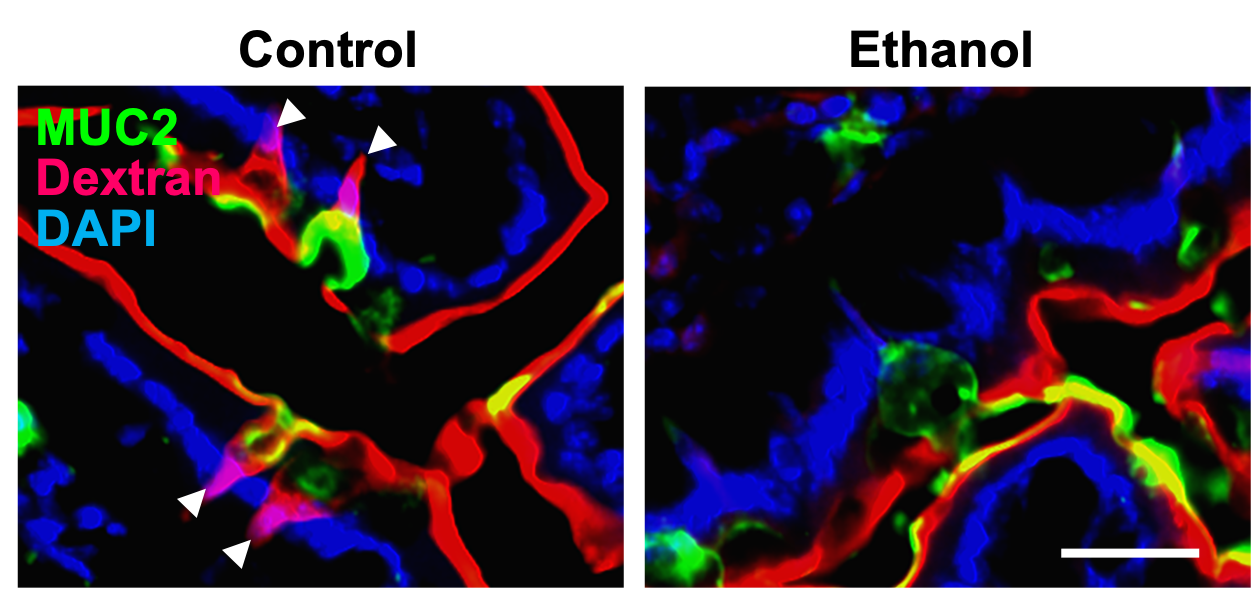
"Scientists have now discovered how alcohol can switch off an immune "alarm system" in the gut, allowing bad bacteria to escape their natural habitat to flood into the liver, rapidly causing inflammation to the organ. This bacterial invasion is a key driver of the inflammation and injury seen in alcohol-associated liver disease (ALD). ..."

"... Now, scientists ... have found that chronic alcohol use impairs the production of a key cellular signaling protein that helps keep gut bacteria within the gut. Without this guardrail in place, bacteria from the gut can more easily migrate to the liver, exacerbating liver damage caused by alcohol. Targeting this mechanism with existing drugs could provide one approach to minimizing the liver damage from alcohol use and reducing the burden of ALD.

Studying a combination of human liver biopsies and mouse models of ALD, the researchers found:
  • Chronic alcohol use reduced the expression of muscarinic acetylcholine receptor M4 (mAChR4), a key cellular communication protein in the gut.
  • Reduced mAChR4 expression hindered the formation of goblet cell-associated antigen passages (GAPs), specialized structures that teach the immune system to promote antimicrobial immunity, thereby preventing harmful bacteria from migrating to the liver. 
  • Restoring mAChR4 function, either by chemically activating mAChR4 or by targeting related signaling pathways allowed GAPs to form and conferred resistance to ALD. 
"

From the abstract:
"Alcohol-use disorder and alcohol-associated liver disease (ALD) are major causes of death and liver transplantation. The gut–liver axis has a crucial yet poorly understood role in ALD pathogenesis, which depends on microbial translocation.
Intestinal goblet cells (GCs) educate the immune system by forming GC-associated antigen passages (GAPs) on activation of muscarinic acetylcholine receptor M4 (mAChR4, also known as M4), enabling sampling of luminal antigens by lamina propria antigen-presenting cells.
Here we show that chronic alcohol use in humans and mice downregulates small intestinal mAChR4 and reduces GAP formation, disrupting antimicrobial immunity. This is reversed on activation of intestinal IL-6 signal transducer (IL6ST, also known as glycoprotein 130; gp130), which restores mAChR4 expression and GAP formation, enabling induction of downstream type-3 innate lymphoid cell-derived IL-22 and antimicrobial REG3 proteins. This blunts translocation of enteric bacteria to the liver, thereby conferring ALD resistance. GAP induction by GC-specific mAChR4 activation was essential and sufficient for prevention of ethanol-induced steatohepatitis. These results lay the foundation for a therapeutic approach using mAChR4 or IL6ST agonists to promote GAP formation and prevent ALD by inhibiting microbial translocation."

Alcohol's impact on gut immunity and liver health


Alcohol Blocks Gut Immune Gatekeepers, Compromising Defense Against Bacteria in ALD "mAChR4 -regulated goblet cell–associated antigen passages (GAPs) train gut immune cells, acting as sentinels, maintaining antimicrobial defense in the gut-liver axis, and positioning mAChR4 agonism and GAP formation as a therapeutic checkpoint for alcohol-associated liver disease (ALD)."


Alcohol reduces mAChR4 and GAP formation. Figure from Llorente et al., Nature, 2025


Thursday, August 14, 2025

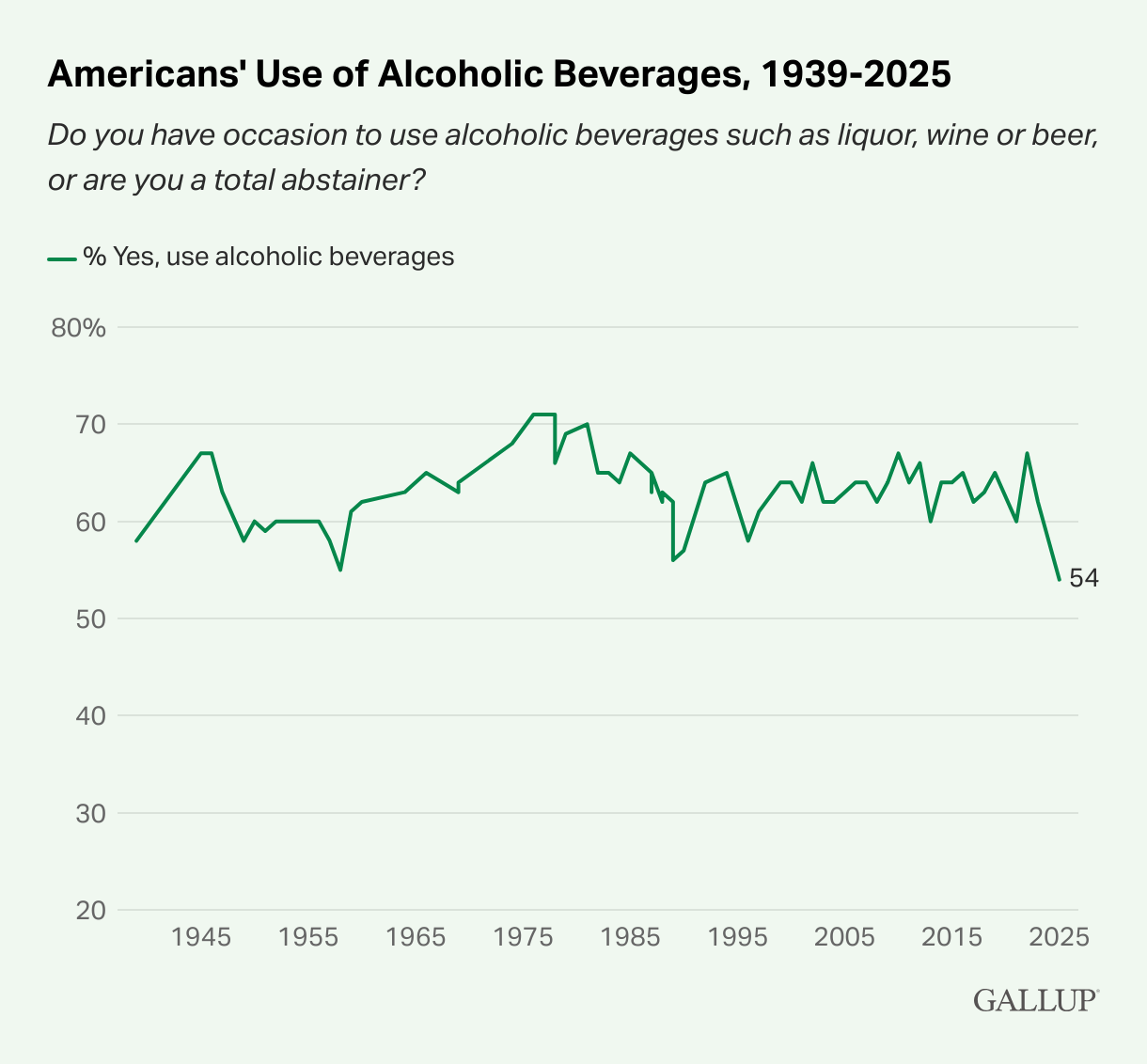
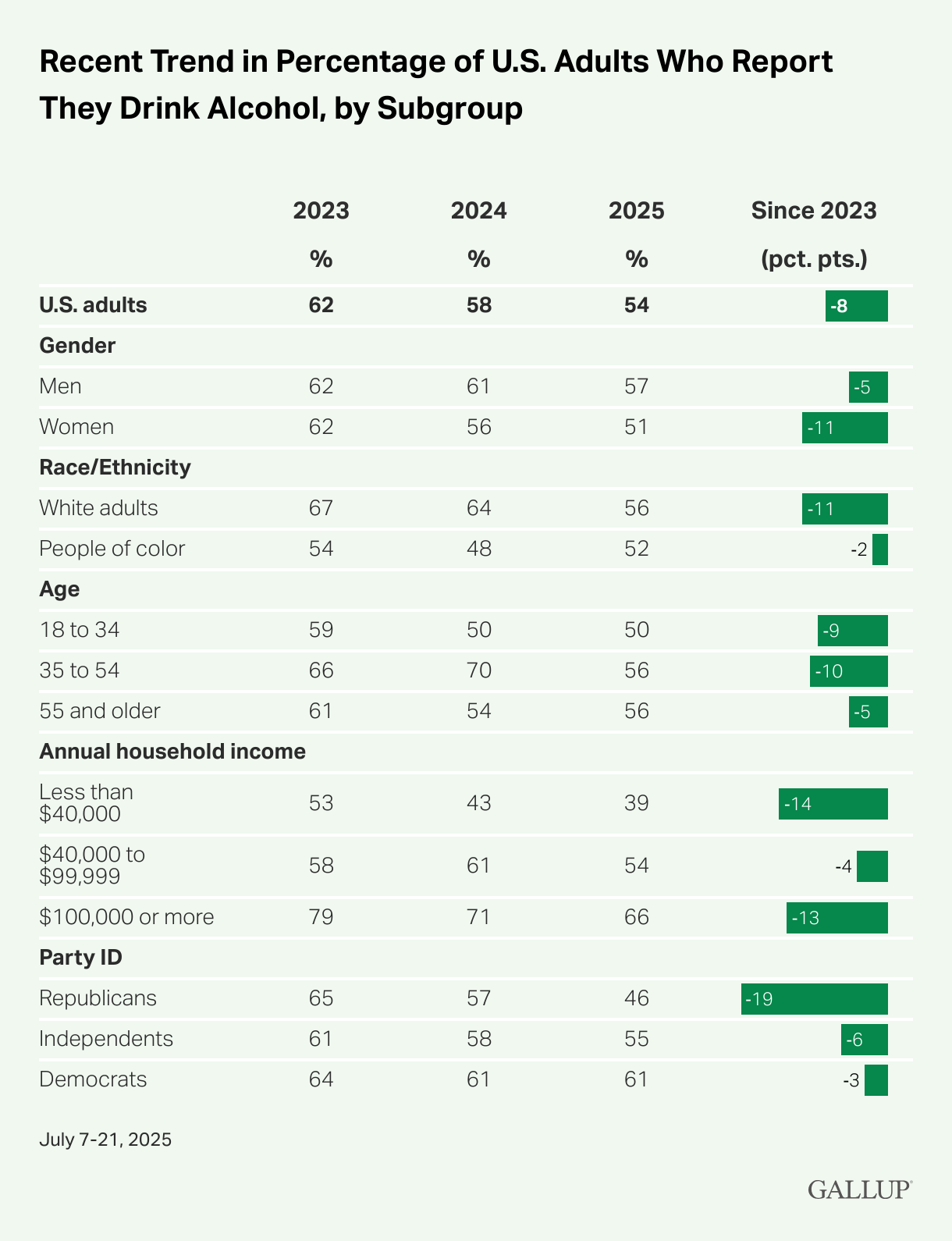
Alcohol Consumption in the US Hits Historic Low especially among women and younger adults

Good news! However, what other substances are they using now if any?

"Fewer than 55% of U.S. adults now say they drink alcohol, the lowest share in Gallup’s 86 years of tracking.

The decline, steeper among women, Republicans, and young adults, comes as a record 53% believe even moderate drinking is bad for health.

Regular drinkers themselves are cutting back, with weekly averages at a 29-year low of 2.8 drinks. The shift follows mounting research rejecting earlier claims that small amounts of alcohol could be heart-healthy."

Thursday, August 14, 2025 - Join The Flyover


Quitting smoking is linked to 30% greater odds of recovery from other substance use disorders

It has been reported for several decades that smoking is a gateway drug to other substance abuse disorders. So why is nicotine/smoking cessation not a regular part of the treatment of individuals suffering from substance use disorders?

"Key Takeaways
  • Smoking cessation has not been seen as a high priority in drug addiction treatment programs.
  • In a nationally representative sample, smokers who quit cigarettes had a 30% greater odds of being in recovery from a non-tobacco substance use disorder.
  • The findings support the inclusion of smoking cessation as part of addiction treatment, researchers said.
..."

From the abstract:
"Importance
Cigarette smoking is more prevalent among those with than without other substance use disorders (SUDs). However, smoking cessation interventions are often absent from SUD treatment facilities.

Objectives
To inform smoking cessation and SUD care by assessing smoking status and SUD recovery over time to determine whether transitioning from current to former smoking is associated with sustained SUD recovery.

Design, Setting, and Participants
This cohort study was conducted among a nationally representative cohort of US adults with history of SUD from the PATH (Population Assessment of Tobacco and Health) Study. The PATH Study is an ongoing, nationally representative, longitudinal cohort study in the US. Analyses included adults (aged ≥18 years) in the wave 1 cohort (recruited in 2013/2014) assessed annually over 4 years until wave 4 (2016/2018). A second nationally representative cohort (from 2016/2018 to 2023) was also assessed in sensitivity analyses. Data analysis was completed from June 2024 to September 2024.

Exposure  Cigarette smoking (never, former, and current use).

Main Outcomes and Measures
The primary outcome was SUD recovery, assessed via the Global Appraisal of Individual Needs–Short Screener SUD subscale, measured as high lifetime SUD symptoms (4-7 symptoms) and zero past-year symptoms (sustained remission) or high lifetime SUD symptoms with any past-year symptoms (current substance use or SUD). Fixed-effects logistic regression assessed within-person change in smoking and its association with SUD recovery, accounting for between-person confounders.

Results
Among 2652 adults from 2013/2014 to 2016/2018, 41.9% of participants (95% CI, 39.4%-44.4%) were female, and mean age was 39.4 years (95% CI, 38.7-40.3).  ... Within-person change from current to former smoking was positively associated with SUD recovery: year-to-year change to former cigarette use was associated with a 30% increase in odds of recovery (odds ratio [OR], 1.30; 95% CI, 1.07-1.57), accounting for time-varying covariates and between-person differences. This association remained significant after lagging predictor by 1 year (OR, 1.43; 95% CI, 1.00-2.05) and in the second cohort assessed from 2016/2018 to 2022/2023 (OR, 1.37; 95% CI, 1.13-1.66).

Conclusions and Relevance
In this cohort study, within-person change from current to former smoking was associated with recovery from other SUDs. These results suggest that smoking cessation could be used as a tool to assist recovery processes and improve health among adults with an SUD."

Global Health NOW: Global Surgery Unit Imperiled; A New World, Crises, and Opportunities Ahead of World Mosquito Day; and Out of Hibernation


Saturday, July 05, 2025

Teens unable to walk, mothers with rash-covered babies: How the drug Kush is ruining lives

Bad news! Horrible! "A drug that is 25 times more powerful than Fentanyl is ripping communities apart in West Africa. Kush looks like marijuana but is a synthetic cannabinoid mixed with opiates that can easily be bought and smoked. ... And key precursors are being shipped into Africa from the UK." 
Caution: This is a very distressing video.

Friday, June 20, 2025

Ibogaine Can Erase opioid Addiction ‘Virtually Overnight’

Very recommendable! This treatment seems very promising and it has been known since 1962, but it is still not a recognized therapy! That is a huge scandal!

Wednesday, June 18, 2025

Binge drinking brake found in mouse brains, offering future path to treating alcohol abuse – new research

Good news!

"... Although there are several drugs available to those seeking to stop or lower their alcohol consumption, their effectiveness is limited, and they often have significant side effects.

Over the past three decades, efforts to treat excessive drinking have focused primarily on developing drugs that target proteins that can control how neurons respond to stimuli. Because these proteins are present in almost every neuron throughout the brain, the drugs also affect neurons that aren’t directly responsible for regulating alcohol’s effects. This often leads to unwanted side effects like headache, fatigue, drowsiness or insomnia. ...

pinpointing the specific brain circuits that play a role in suppressing alcohol consumption is critical to developing targeted treatments with limited side effects. ... newly published research ... identified a small cluster of neurons responsible for suppressing binge drinking. ...

We identified a discrete number of neurons that respond to binge drinking in a brain region called the medial orbitofrontal cortex. This area is known for its key role in controlling decision-making and adapting behavior to a changing environment.

We also found that turning this neuronal ensemble off resulted in a sharp increase of alcohol consumption in mice. This means that the brain has, in essence, a built-in regulation system that is activated during alcohol drinking to act as a brake on its consumption. Should these neurons misfire, the regulatory system would fail, possibly leading to uncontrolled drinking. ..."

From the abstract:
"Alcohol consumption remains a significant global health challenge, directly and indirectly causing millions of deaths annually. Alcohol abuse causes dysregulated activity of the prefrontal cortex, yet effects on specific prefrontal circuits remain to be elucidated.
Here, we identify a discrete GABAergic neuronal ensemble in the mouse medial orbitofrontal cortex (mOFC) that is selectively recruited in response to binge alcohol drinking and limits further drinking behavior.
Optogenetic silencing of this population, or its ablation, results in uncontrolled binge alcohol consumption. This neuronal ensemble is specific to alcohol and is not recruited by other rewarding substances.
Neurons in this ensemble project widely throughout the brain, but projections specifically to the mediodorsal thalamus regulate binge alcohol drinking. Together, these results identify a brain circuit in the mOFC that serves to protect against binge drinking by reducing alcohol intake, which may offer avenues for the development of mOFC neuronal ensemble-targeted interventions."

Binge drinking brake found in mouse brains, offering future path to treating alcohol 
abuse – new research (no public access)