Showing posts with label antibiotics. Show all posts

Sunday, October 04, 2026

Resistance gene helps C. difficile spores survive hospital-grade disinfectants

Serious stuff! Good news! Time to develop new antibiotics!

"New research ... reveals that the bacterium Clostridioides difficile has picked up a key gene that gives its dormant spores a free pass against antibiotics and cleaning products.

Its spores act like plant seeds, waiting to activate and spread in the right environment, like the human gut.

This is particularly dangerous because the bacterium is commonly found in hospitals and causes diarrhea that can be deadly for patients who are already ill. ..."

From the abstract:
"Spore-forming bacteria produce two distinct cell types: vegetative cells and resilient spores. While antibiotic resistance is typically associated with vegetative cells, spores play a critical role in disseminating resistance genes due to their durability and transmissibility.
We previously demonstrated that cephamycin antibiotics target the conserved spore-specific protein SpoVD, significantly reducing spore formation in pathogens including Clostridioides difficile.
Here, we show that when C. difficile acquires CdmecA, a homologue of Staphylococcus aureus mecA, one of the most globally burdensome resistance genes, the anti-sporulation effect of cephamycins is bypassed.
CdMecA functionally replaces CdSpoVD, restoring sporulation and producing phenotypically distinct spores.
We further show that mecA is prevalent across C. difficile strains and other pathogenic, gut, and environmental spore-formers. Since SpoVD is conserved, MecA may broadly co-opt sporulation; we confirm this in Clostridium perfringens. This work reveals an unusual resistance mechanism with unexpected physiological consequences, reshaping our understanding of antibiotic resistance within the context of sporulation and microbial adaptation."

Resistance gene helps C. difficile spores survive hospital-grade disinfectants


Antibiotic resistance is supercharging dangerous gut bacteria to withstand even hospital-grade disinfectants intended to kill them


Monday, August 10, 2026

AI designs a novel E. coli killer, a cocktail of synthesized bacteriophages

Good news! Welcome to novel antibiotics! This is only the beginning and this could be a breakthrough!

When will we be able to remove the sneezing gene from the human genome? 😊

"In brief
  • Bacteriophages kill bacteria, and scientists hope engineered phages could work as new antibiotics.
  • Stanford researchers applied a generative AI model, called Evo 2, to this challenge. Given a starting place – in this case bacteriophage ΦX174 – Evo 2 suggested new DNA sequences.
  • Based on genomes written by Evo 2, the researchers synthesized and tested nearly 300 phages for effectiveness against E. coli.
    They ended up with 16 that proved exceptional.
  • Given its potential, the researchers have made Evo 2 openly and freely available. Acknowledging safety concerns, they point to the importance of having tools like Evo 2 to address existing natural pathogens and the ability to build safety checks into AI tools – something that doesn’t happen when pathogens evolve naturally.
..."

From the editor's summary and abstract:
"Editor’s summary
The ability to design complex biological systems with artificial intelligence (AI) has the potential to transform biotechnology, but progress has largely been limited to the scale of individual genes and proteins, with whole-genome design remaining out of reach.
King et al. used generative AI models trained on millions of natural genomes to design entire bacteriophages ... 
Experimental tests yielded 16 functional genomes with diverse sequences, structures, and fitness profiles. 
A cocktail of the generated bacteriophages rapidly overcame bacteria that had evolved resistance to a natural bacteriophage. This work lays a foundation for AI-guided design of biological function at the whole-genome scale. ...

Structured Abstract
INTRODUCTION
Evolution continuously forges new biological innovations written in genomes. Navigating this vast design space could access functions that would transform biotechnology, but even the simplest genomes are highly complex and can be rendered nonviable by a single mutation. Accordingly, most progress in biological design has been made at the scale of individual genes and gene circuits, whereas design at the scale of whole genomes has remained largely beyond reach.

RATIONALE
Genome language models are artificial intelligence (AI) algorithms that have shown promise in designing biological systems. Much like how other language models are trained on large corpora of text, genome language models are trained on large corpora of DNA comprising millions of genomes from all domains of life. This enables these models to learn the evolutionary constraints that shape DNA sequences in nature.
However, the ability of genome language models to generate entire functional genomes has not been tested.
Bacteriophages, viruses that infect bacteria, are specifically well suited for this task, as they are relatively small, experimentally tractable, and have broad applications in molecular biology, microbial engineering, and therapeutics.

RESULTS
In this work, we leveraged genome language models, Evo 1 and Evo 2, to generate complete phage genomes with realistic genetic architectures and specificity for a bacterial host, Escherichia coli C.
Using the natural phage ΦX174 as a design template, we established a framework for generating and evaluating thousands of AI-generated genomes, nearly 300 of which we chemically synthesized and tested in laboratory conditions, yielding 16 viable phages.
The viable generated phages showed strong host specificity and diverse fitness profiles, including competitive infection kinetics. The generated phages were different from any known natural phages, exhibiting de novo mutations, divergent genes and regulatory elements, and variable genome lengths.
One of the phages utilized a DNA packaging protein from an evolutionarily distant phage in its capsid structure.
We also tested whether the generated phages could overcome bacterial resistance, a central challenge in developing phage-based antimicrobial therapies, and found that a mixture of designed phages rapidly overcame ΦX174-resistant E. coli strains, whereas a comparable mixture of naturally sourced ΦX174-like phages could not.

CONCLUSION
Our results demonstrate that generative models capture evolutionary constraints in DNA sequences with enough fidelity to produce complete bacteriophage genomes divergent from those observed in nature and with prespecified traits.
Our approach expands what synthetic genomics can achieve alongside methods such as directed evolution and rational engineering, lays out a path for generating adaptive and resilient phage therapies against rapidly evolving pathogens, and establishes a foundation for the generative design of larger, more complex genomes.
Genome design can augment the broader toolkit of genome sequencing, synthesis, and editing, enabling the composition of biological systems at the genome scale."

AI designs a novel E. coli killer | Stanford Report "Using an AI model of their own creation that writes whole genomes, a team of Stanford scientists has engineered a novel bacteria-fighting phage. A new age of antibiotics could be on the horizon."


Monday, April 27, 2026

Graphene oxide targets and destroys bacteria, including drug-resistant strains

Good news! Could this be a breakthrough regarding antibiotics?

"Researchers say graphene oxide targets and destroys bacteria, including drug-resistant strains, by binding to a molecule absent in human cells, offering a durable alternative to antibiotics."

"Scientists have uncovered how graphene oxide pulls off a remarkable trick: it hunts down and destroys harmful bacteria while leaving human cells completely unharmed. By targeting a molecule found only in bacterial membranes, this ultra-thin carbon-based material acts with laser-like precision—offering a powerful new alternative to traditional antibiotics. Even more exciting, it works against drug-resistant “superbugs,” promotes faster wound healing, and keeps its antibacterial strength even after repeated washing."

"...  a joint research team ... has identified the mechanism by which Graphene Oxide (GO) exhibits powerful antibacterial effects against bacteria while remaining harmless to human cells. ...

This study is highly significant as it provides molecular-level proof of graphene's antibacterial action, which had not been clearly understood until now.

The research team confirmed that graphene oxide performs "selective antibacterial action" by attaching to and destroying only the membranes of bacteria ... while leaving human cells untouched. This occurs because the oxygen functional groups on the surface of graphene oxide selectively bind with a specific component (POPG) found only in bacterial cell membranes. ..."

From the abstract:
"Graphene oxide (GO) has attracted research attention as a promising biomedical material principally owing to its biocompatibility as well as excellent antibacterial properties, although the exact mechanism for the apparently conflicting both activities remains controversial yet.
We present controlled physicochemical and biomimetic features of GO that exert antibacterial effects via selective destabilization of the bacterial membrane.
Our model cell study, exploiting artificial vesicular phospholipid assembly along with spectroscopic analyses, finds that surface oxygen functionalities of GO determine antibacterial activity by highly specific interaction with POPG, a phospholipid selectively present in membranes of various bacterial species, including drug-resistant bacteria.
Furthermore, GO-incorporated nanofibers were evaluated in infected wound models in mice and pigs, where they effectively suppressed bacterial growth and accelerated wound healing with minimal inflammation.
These findings highlight the potential use of GO as a safe and sustainable antibacterial to avoid repeated overuse of conventional antibiotics."

Monday, April 27, 2026 - Join The Flyover


Schematic diagram of the selective interaction between graphene oxide and cell membranes


Identification of selective interaction mechanisms at the molecular level through microscopic and chemical analysis of artificial lipid vesicles mimicking cell membranes


Monday, March 23, 2026

Microscopic spikes on snakeskin block bacterial buildup

Amazing stuff!

"Ball pythons get their name from a classic defensive maneuver: They coil up into a ball and tuck in their heads. But their scales conceal another, far more subtle form of defense: microscopic spikes that inhibit bacterial buildup. The discovery ... could inspire antimicrobial materials that work mechanically rather than chemically. ..."

From the abstract:
"Microscale surface structures on natural materials can provide unique functional properties, inter alia, for biological defense. Here, we report that the dorsal scales of ball python (Python regius), feature regularly distributed sharp microprotrusions (spikes) that may serve as a model surface for topography-driven prevention of bacterial adhesion and biofilm formation.
The chemical composition and microarchitecture of the skin grain and flesh sides were characterized by Fourier Transform Infrared (FTIR) spectroscopy and scanning electron microscopy (SEM), confirming a keratin-rich, highly organized outer surface bearing dense arrays of spikes with micrometer-scale height and spacing. SEM imaging further corroborated markedly reduced colonization of the spike-bearing dorsal scale surface.
Quantitative biofilm assays based on standard colony-forming unit (CFU) enumeration were performed using the newly developed scale-pair model. Relative to the smooth polystyrene reference, Escherichia coli and Staphylococcus aureus attachment and subsequent biofilm formation decreased by 88 and 78%, respectively, after 48 h of incubation in 37 °C.
Other cultivation experiments ruled out chemical effects of any residual antimicrobial substances on the skin on bacterial growth, demonstrating that the topography alone mediates inhibition. These findings indicate that P. regius scale microstructures may function as a passive antimicrobial defense, and could inspire biomimetic, antibiofilm materials for biomedical and industrial applications."

Microscopic spikes on snakeskin block bacterial buildup | Science | AAAS


Graphical abstract


Figure 1. P. regius skin shed: (a) macroscopic view of target area with spikes, (b) sharp protrusions and ridge arrays on P. regius dorsal scales visualized using SEM.


Wednesday, March 18, 2026

Spaceflight supercharges anti-bacterial viruses thanks to microgravity

Amazing stuff! Good news!

"Viruses that infect bacteria, called phages, evolve different strategies to infect their targets on the International Space Station than they do on the ground, which could help create new treatments for antibiotic-resistant infections.
Researchers found that the phages took longer to infect E.coli in microgravity, and that the viruses developed microgravity-specific mutations, some of which helped them to better cling onto bacterial receptors.
Once they returned to earth, they were able to kill stubborn strains of E.coli responsible for urinary tract infections that tend to be resistant to bacteriophages."

"... Once the viruses adapted to microgravity by subtly shape-shifting, though, they became even more effective bacteria killers. “A simple microgravity experiment exposes these mutations that have much higher efficacy against pathogens,”  ..."

From the abstract:
"Bacteriophage–host interactions play a fundamental role in shaping microbial ecosystems. While extensively studied on Earth, their behavior in microgravity remains largely unexplored.
Here, we report the dynamics between T7 bacteriophage and Escherichia coli in microgravity aboard the International Space Station (ISS). Phage activity was initially delayed in microgravity but ultimately successful.
We identified de novo mutations in both phage and bacteria that enhanced fitness in microgravity. Deep mutational scanning of the phage receptor binding domain revealed striking differences in the number, position, and mutational preferences between terrestrial and microgravity conditions, reflecting underlying differences in bacterial adaptation. Combinatorial libraries informed by microgravity selections yielded T7 variants capable of productively infecting uropathogenic E. coli resistant to wild-type T7 under terrestrial conditions. These findings help lay the foundation for future research on the impact of microgravity on phage–host interactions and microbial communities and the terrestrial benefits of this research."

Nature Briefing: Translational Research

Spaceflight supercharges viruses’ ability to infect bacteria "Viruses develop tricks to attack bacteria without the help of gravity"


Fig 1. Experimental design to evaluate microgravity interactions on the ISS.


Monday, January 26, 2026

Neutralizing extracellular electron transport disarms antibiotic-resistant bacteria, restores healing in chronic wounds

Good news!

"... has discovered a new method that could speed up the healing of chronic wounds infected by antibiotic-resistant bacteria. ...

The team discovered that unlike other bacteria, which produce toxins when they infect wounds, E. faecalis produces a metabolic product called reactive oxygen species (ROS) that impairs the healing process of human skin cells. ...

E. faecalis uses a metabolic process known as extracellular electron transport (EET), which continuously produces hydrogen peroxide, a highly reactive oxygen species that can damage living tissue.

When present in infected wounds, this bacterium produces hydrogen peroxide, which damages human skin cells through oxidative stress.

Laboratory experiments showed that oxidative stress triggers a cellular defense mechanism known as the "unfolded protein response" in skin cells called keratinocytes, which are responsible for skin repair. This unfolded protein response is normally used by cells to cope with damage by slowing down protein production and other vital activities, so that they can recover. Once activated, the stress response effectively paralyzes the cells, preventing them from moving to close the wound, a process known as migration.

When the researchers used a genetically modified strain of E. faecalis that lacked the EET pathway, the bacteria produced significantly less hydrogen peroxide and were unable to block wound healing.

This confirmed that the metabolic pathway was central to the bacterium's ability to disrupt skin repair. The team then tested whether neutralizing the hydrogen peroxide could reverse the damage.

Potential solution that bypasses antibiotic-resistance
By treating affected skin cells with catalase, a naturally occurring antioxidant enzyme that breaks down hydrogen peroxide, the researchers reduced cellular stress and thus restored the cells' ability to migrate and heal."

From the abstract:
"Enterococcus faecalis is an opportunistic pathogen that thrives in biofilm-associated infections and delays wound healing, yet how it impairs host tissue responses is unclear.
Here, we identified extracellular electron transport (EET) as a previously unrecognized source of reactive oxygen species (ROS) in E. faecalis and showed that this activity directly triggers the unfolded protein response (UPR) in epithelial cells and delays epithelial cell migration.
ROS detoxification with catalase suppressed E. faecalis–induced UPR and rescued epithelial cell migration, while exogenous hydrogen peroxide was sufficient to restore UPR activation in EET-deficient strains.
UPR disruption by pharmacological inhibition also impaired cell migration, highlighting a critical role for UPR homeostasis in wound repair.
Our findings establish EET as a virulence mechanism that links bacterial redox metabolism to host cell stress and impaired repair, offering previously unidentified avenues for therapeutic intervention in chronic infections."

Neutralizing extracellular electron transport disarms antibiotic-resistant bacteria, restores healing in chronic wounds


Fig. 1. E. faecalis infection activates the UPR in a mouse model.


Wednesday, November 19, 2025

WHO: The next pandemic is already here: Antimicrobial resistance is upending a century of achievements in global health. Really!

This nonsense was just published by the World Health Organisation!

President Trump please suspend any further funding of the WHO unless the WHO retracts such nonsense!

The author of this article is "Dr Saia Ma'u Piukala, Regional Director for the Western Pacific"

"WHO to lose nearly a quarter of its workforce – 2,000 jobs – due to US withdrawing funding – The Guardian "

The next pandemic is already here: Antimicrobial resistance is upending a century of achievements in global health


The snake called  the WHO 😊


Thursday, October 30, 2025

A newly discovered antibiotic is 100X stronger against superbugs than comparable antibiotics

Good news! Of course, human ingenuity can beat antibiotic resistance any time!

"A newly discovered antibiotic is 100X stronger against superbugs and so far shows no signs of resistance, per a new Journal of the American Chemical Society paper; the potent compound, called pre-methylenomycin C lactone, had been “hiding in plain sight” in a familiar bacterium. ..."

From the abstract:
"The methylenomycins are highly functionalized cyclopentanone antibiotics produced by Streptomyces coelicolor A3(2). A biosynthetic pathway to the methylenomycins has been proposed based on sequence analysis of the proteins encoded by the methylenomycin biosynthetic gene cluster and the incorporation of labeled precursors. However, the roles played by putative biosynthetic enzymes remain experimentally uninvestigated.
Here, the biosynthetic functions of enzymes encoded by mmyD, mmyO, mmyF, and mmyE were investigated by creating in-frame deletions in each gene and investigating the effect on methylenomycin production. No methylenomycin-related metabolites were produced by the mmyD mutant, consistent with the proposed role of MmyD in an early biosynthetic step. The production of methylenomycin A, but not methylenomycin C, was abolished in the mmyF and mmyO mutants, consistent with the corresponding enzymes catalyzing the epoxidation of methylenomycin C, as previously proposed. Expression of mmyF and mmyO in a S. coelicolor M145 derivative engineered to express mmr, which confers methylenomycin resistance, enabled the resulting strain to convert methylenomycin C to methylenomycin A, confirming this hypothesis.
A novel metabolite (premethylenomycin C), which readily cyclizes to form the corresponding butanolide (premethylenomycin C lactone), accumulated in the mmyE mutant, indicating the corresponding enzyme is involved in introducing the exomethylene group into methylenomycin C.
Remarkably, both premethylenomycin C and its lactone precursor were one to two orders of magnitude more active against various Gram-positive bacteria, including antibiotic-resistant Staphylococcus aureus and Enterococcus faecium isolates, than methylenomycins A and C, providing a promising starting point for the development of novel antibiotics to combat antimicrobial resistance."

Global Health NOW: U.S. Enters Uncharted Territory on Hunger; and Double, Double, Toil and Bubbles


Graphical abstract


Saturday, October 25, 2025

New molecular strategy achieves complete synthesis of anti-MRSA natural product (new antibiotics)

Good news! Amazing stuff! With machine learning & AI this will only get better!

Interesting: Most of the researchers involved in this study are from the Shanghai University of Traditional Chinese Medicine.

"Spiroaspertrione A is a complex polycyclic compound naturally produced by the fungus Aspergillus sp. TJ23. First isolated in 2017, it quickly drew scientific attention for its promising ability to combat drug-resistant bacteria and restore their sensitivity to existing antibiotics.

Scientists have now found a way to carry out the total synthesis of the molecule in 16 steps, starting from a chiral pool building block called (+)-enoxolone that costs less than one euro per gram. ..."

From the editor's summary and abstract:
"Editor’s summary
Spiroaspertrione A is a complex, polycyclic fungal natural product that has garnered interest in antibiotics research. Huang et al. now report a total synthesis of the compound in its natural stereoconfiguration starting from readily available precursors.
Key steps included a Diels-Alder reaction to set the compound’s characteristic spiro stereocenter, as well as a divinylcyclopropane rearrangement to establish an additional out-of-plane ring. The synthesis required 16 steps from a reported precursor and proceeded in an overall yield of 2.3%. ...

Abstract
The rise of multidrug-resistant pathogens poses a major threat to global health, with methicillin-resistant Staphylococcus aureus (MRSA) among the most challenging. One promising approach to overcoming resistance is using small molecules that resensitize MRSA to existing drugs.
Here, we report the enantioselective total synthesis of one such promising candidate, (−)-spiroaspertrione A, a complex meroterpenoid of the andiconin family. This natural product has long eluded synthesis because of its densely functionalized polycyclic backbone.
Our route features a stereoselective Diels-Alder cycloaddition, followed by a key divinylcyclopropane rearrangement forming the spirobicyclo[3.2.2]nonane core, which proved to be reversible and was further investigated by density functional theory calculations. Strategic late-stage functionalization of the compact cage architecture enabled access to the natural product and provided evidence for a plausible biosynthetic relationship with (−)-aspermerodione."

New molecular strategy achieves complete synthesis of anti-MRSA natural product


A new 16-step process enables total synthesis of (−)-spiroaspertrione A from a known intermediate.


Tuesday, October 07, 2025

The US imports a large share of antibiotics and antibiotic active ingredients from China and India, but import prices fell dramatically

Food for thought! Is this international division of labor acceptable! How large is the risk of dependency or the supply chain vulnerabilities?

"The U.S. has become increasingly reliant on other countries for antibiotics over the past several decades, per a new analysis by Johns Hopkins University researchers that shows that China supplies more than 60% of the active pharmaceutical ingredients U.S. antibiotics manufacturers need—and, since 2020, nearly a third of the finished antibiotics imported by the U.S. come from India. CIDRAP "

"... The authors of the study say the findings suggest the United States, which already faces persistent drug shortages and is no longer able to domestically produce key antibiotics such as penicillin and doxycycline, is becoming overdependent on other countries for its antibiotic supply and highly vulnerable to supply chain disruptions that could affect public health. ..."

From the key points and abstract:
"Key Points
Question
Where do antibiotics for the US market come from?

Findings
This cross-sectional study analyzed 1992 to 2024 antibiotic importation records and found 50 originating countries of finished dosage forms and 52 countries for active pharmaceutical ingredients as well as a significant increase in annual antibiotic imports and a decrease in importation prices. In the past 5 years, India was the leading originating country for finished dosage forms, with China as the leading originating country for antibiotic active pharmaceutical ingredients.

Meaning
US relies on diversified global sources for antibiotic drugs but primarily on China for antibiotic active ingredients; policies to strengthen domestic production and diversify sourcing are critical to mitigate supply chain vulnerabilities.

Abstract
Importance  The US has faced persistent antibiotic shortages over the past decade, compromising patient care, public health, and national security. Understanding the global sources of US antibiotic imports is critical to inform policies to improve supply chain resilience.

Objective
To identify the global sources of US antibiotic imports, focusing on finished dosage forms (FDFs) and active pharmaceutical ingredients (APIs) between 1992 and 2024.

Design and Setting
This cross-sectional study of US antibiotic importation records used data from USA Trade Online from January 1992 to July 2024. Data included import volumes, costs, and the originating country.

Main Outcomes and Measures
Trends in annual import volumes for antibiotic FDFs and APIs (metric tons), spending and price per kilogram (inflation-adjusted dollars), and market concentration measured by the Herfindahl-Hirschman Index (HHI). An HHI less than 1500 indicates an unconcentrated (ie, competitive) market, 1500 to 2500 indicates a moderate concentration, and greater than 2500 indicates high concentration.

Results 
The final sample included 50 FDF-originating countries and 52 API-originating countries. Compared with the annual volume of US antibiotic FDF imports in 1992, the annual volume in 2024 increased 2595.0%, while the annual volume of API imports remained relatively stable.
Mean inflation-adjusted importation prices for FDFs decreased from $1836.03 per kg in 1992 to $177.44 per kg in 2024.
For APIs, mean prices decreased from $351.74 per kg in 2003 to $65.69 per kilogram in 2024.
From 2020 to 2024, India was the leading originating country for FDFs (31.9% of the total imported volume and 18.2% of the total imported cost), followed by Italy (13.4% of the total volume and 22.4% of the total cost).
China was the leading originating country for APIs (62.6% of the total imported volume and 28.7% of the total cost), followed by Bulgaria (16.1% of the total volume and 3.8% of the total cost). Italy was the originating country for 2.6% of API imported volume but accounted for 27.9% of the importation costs.
HHI revealed that FDF importation has become unconcentrated since 2020 (HHI, 1500-2500), while API importation markets are highly concentrated (2024 HHI, >5000).

Conclusions and Relevance
This study found that US antibiotic importation relies on diversified global sources for FDFs but primarily on China for APIs. Policies to strengthen domestic production and diversify sourcing are critical to mitigate supply chain vulnerabilities. Improved traceability and targeted strategies for specific antibiotics are recommended to safeguard public health and national security."

Global Health NOW: Tobacco Use Falls, Industry Pivots; Aid Cuts Hit Yemen Amid Measles Crisis; and Conversion Therapy Goes Before the Court

US relies heavily on China, other nations for antibiotics


Figure 1.  Trends in Annual Antibiotic Importation Volume, Spending, and Price, 1992 to 2024


Figure 2.  Annual Antibiotic Finished Dosage Form (FDF) and Active Pharmaceutical Ingredient (API) Importation Volume by Originating Country From 1992 to 2024


Sunday, October 05, 2025

Novel narrow-spectrum antibiotic targets inflammatory bowel diseases (IBD) and AI predicted how it works

Good news!

"Researchers ... have made two scientific breakthroughs at once: they not only discovered a brand-new antibiotic that targets inflammatory bowel diseases (IBD), but also successfully used a new type of AI to predict exactly how the drug works. To their knowledge, this is a global first for the AI. ...

Most antibiotics used in clinics today are "broad-spectrum" drugs, meaning they wipe out good bacteria in addition to those that cause disease ...

But enterololin, the new antibiotic discovered ... is a "narrow-spectrum" drug, meaning it spares the microbiome and attacks only a specific group of disease-causing bugs—in this case, a family of bacteria called Enterobacteriaceae, which happens to include E. coli. ...

thorough MOA [mechanism of action] study can take up to two years and cost around $2 million; however, using AI, his group did enterololin's in just six months and for just $60,000. ...

In just 100 seconds, he was given a prediction: his new drug attacked a microscopic protein complex called LolCDE, which is essential to the survival of certain bacteria. ..."

"... DiffDock, a generative AI model ...

DiffDock was designed to predict how small molecules fit into the binding pockets of proteins, a notoriously difficult problem in structural biology. Traditional docking algorithms search through possible orientations using scoring rules, often producing noisy results. DiffDock instead frames docking as a probabilistic reasoning problem: a diffusion model iteratively refines guesses until it converges on the most likely binding mode.

“In just a couple of minutes, the model predicted that enterololin binds to a protein complex called LolCDE, which is essential for transporting lipoproteins in certain bacteria,” ...

put that prediction to the test. Using DiffDock predictions as an experimental GPS, they first evolved enterololin-resistant mutants of E. coli in the lab, which revealed that changes in the mutant’s DNA mapped to lolCDE, precisely where DiffDock had predicted enterololin to bind.
They also performed RNA sequencing to see which bacterial genes switched on or off when exposed to the drug, 
as well as used CRISPR to selectively knock down expression of the expected target. These laboratory experiments all revealed disruptions in pathways tied to lipoprotein transport, exactly what DiffDock had predicted. ..."

From the abstract:
"Current clinical antibiotics are largely broad-spectrum agents that can alter the gut microbiome and promote colonization by Enterobacteriaceae, which are often drug resistant. This includes adherent-invasive Escherichia coli (AIEC), particularly in patients with inflammatory bowel disease, in which dysbiosis creates a niche for this pathogen to colonize. There is an urgent and unmet need for novel narrow-spectrum and microbiome-sparing antibiotics.
Here we screened 10,747 bioactive small molecules for antibacterial activity against AIEC and discovered enterololin, an antibacterial compound with targeted activity against Enterobacteriaceae species. Enterololin could overcome intrinsic and acquired resistance mechanisms in clinical isolates when combined with a subinhibitory concentration of SPR741, a polymyxin B analogue used here to increase outer membrane permeability in Gram-negative bacteria.
Molecular substructure- and deep learning-guided mechanism-of-action investigations revealed that enterololin perturbs lipoprotein trafficking through a mechanism involving the LolCDE complex, laboratory-evolved resistant mutants predominantly mapped to lolC and lolE, with an in vitro frequency of resistance of ~10−8 to 10−7.
Enterololin showed low mammalian cytotoxicity (HEK293 half-maximal inhibitory concentration ~100 µg ml−1) and suppressed AIEC infection in mouse models when administered in combination with SPR741, while largely preserving the overall microbiome composition.
This study highlights the utility of deep learning methods for predicting molecular interactions and identifies a promising Enterobacteriaceae-specific antibacterial candidate for further development."

Novel antibiotic targets IBD—and AI predicted how it would work before scientists could prove it

Researchers discover new antibiotic for IBD — and AI correctly predicts how it works (original news release) "McMaster researchers have discovered an antibiotic that targets inflammatory bowel diseases like Crohn’s. Then, in a first, they used cutting-edge AI to determine how it would work."

AI maps how a new antibiotic targets gut bacteria (original news release) "MIT CSAIL and McMaster researchers used a generative AI model to reveal how a narrow-spectrum antibiotic attacks disease-causing bacteria, speeding up a process that normally takes years."

Antibiotic permeates bacteria's outer membrane

Good news!

"Researchers have used an imaging technique which relies on touch instead of light to show how a last-line antibiotic causes the outer armour of bacteria to bubble, distort and shed away.

The findings could help make polymycins – a last resort treatment for infections caused by gram-negative bacteria – more effective.

“Polymyxins are an important line of defence against Gram-negative bacteria, which cause many deadly drug-resistant infections. It is important we understand how they work,” ...

“Through capturing these incredible images of single cells, we’ve been able to show that this class of antibiotics only work with help from the bacterium, and if the cells go into a hibernation-like state, the drugs no longer work – which is very surprising.” ...

They found the antibiotic caused gram-negative bacterial cells to produce more of their outer membrane and then shed it. This left gaps in their defences allowing antibiotic to enter and kill them.

However, this did not happen when the cells were in a dormant state. ...

Polymyxin B was able to kill the dormant cells but only 15 minutes after they were provided with a food source – sugar. ..."

From the abstract:
"Polymyxin antibiotics target lipopolysaccharides (LPSs) in both membranes of the bacterial cell envelope, leading to bacterial killing through a poorly defined mechanism.
Here we demonstrate that metabolic activity [of the bacteria] is essential for the lethality of clinically relevant doses of polymyxin B (PmB) and leverage this insight to determine its mode of action.
PmB killed exponential-phase Escherichia coli but did not eliminate stationary-phase cells unless a carbon source was available.
Antibiotic lethality correlated with surface protrusions visible by atomic force microscopy and LPS loss from the outer membrane via processes that required LPS synthesis and transport but that were blocked by the MCR-1 polymyxin resistance determinant.
While energy-dependent outer-membrane disruption was not directly lethal, it facilitated PmB access to the inner membrane, which the antibiotic permeabilized in an energy-independent manner, leading to cell death.
This work reveals how metabolic inactivity confers tolerance of an important, membrane-targeting antibiotic."

Antibiotic bubbles bacteria's armour


Fig. 1: PmB lethality requires metabolic activity and is associated with significant morphological changes to the cell surface.


Composite image of Escherichia coli exposed to the polymyxin antibiotic. The images show the changes to the outer layer of armour over time. From left to right: untreated bacterium; bacterium after 15 minutes; after 30 minutes; after 60 minutes; after 90 minutes. The white scale bar is 250 nanometres across.


Thursday, September 25, 2025

New vaccine for Newborns in sub-Saharan and South Asia against Group B Streptococcus (GBS)

Good news!

"Group B Streptococcus (GBS) is a leading cause of newborn sepsis, meningitis, and lifelong disabilities—causing 400,000 infections, 91,000 infant deaths, and 46,000 stillbirths annually, mainly in sub-Saharan Africa and South Asia.  
 
Yet it has long flown under the radar. It is often undetected in pregnancy, carried by 15% of women without symptoms.  
While testing and antibiotic protocols have become standard in high-income countries, many cases go undetected worldwide.

Vaccines on the horizon: A long-awaited maternal vaccine from Pfizer is now in phase 3 trials, and another vaccine from Danish company MinervaX is also under development.  ..."

"... On 25 August, a woman in the United States in her third trimester was the first to receive a shot of Pfizer’s candidate GBS vaccine as part of a long-awaited phase 3 trial. A small Danish company called MinervaX is close behind. ..."

Global Health NOW: High Stakes, Shifting Landscapes on Climate Action; ‘Nightmare Bacteria’ on the Rise; and They’re Kind of a bIg Deal

A shot at survival "Fifty years ago, Carol Baker [South Africa] proposed vaccinating pregnant women to save babies from a deadly microbe. Now, the idea is nearing fruition"


Sunday, August 31, 2025

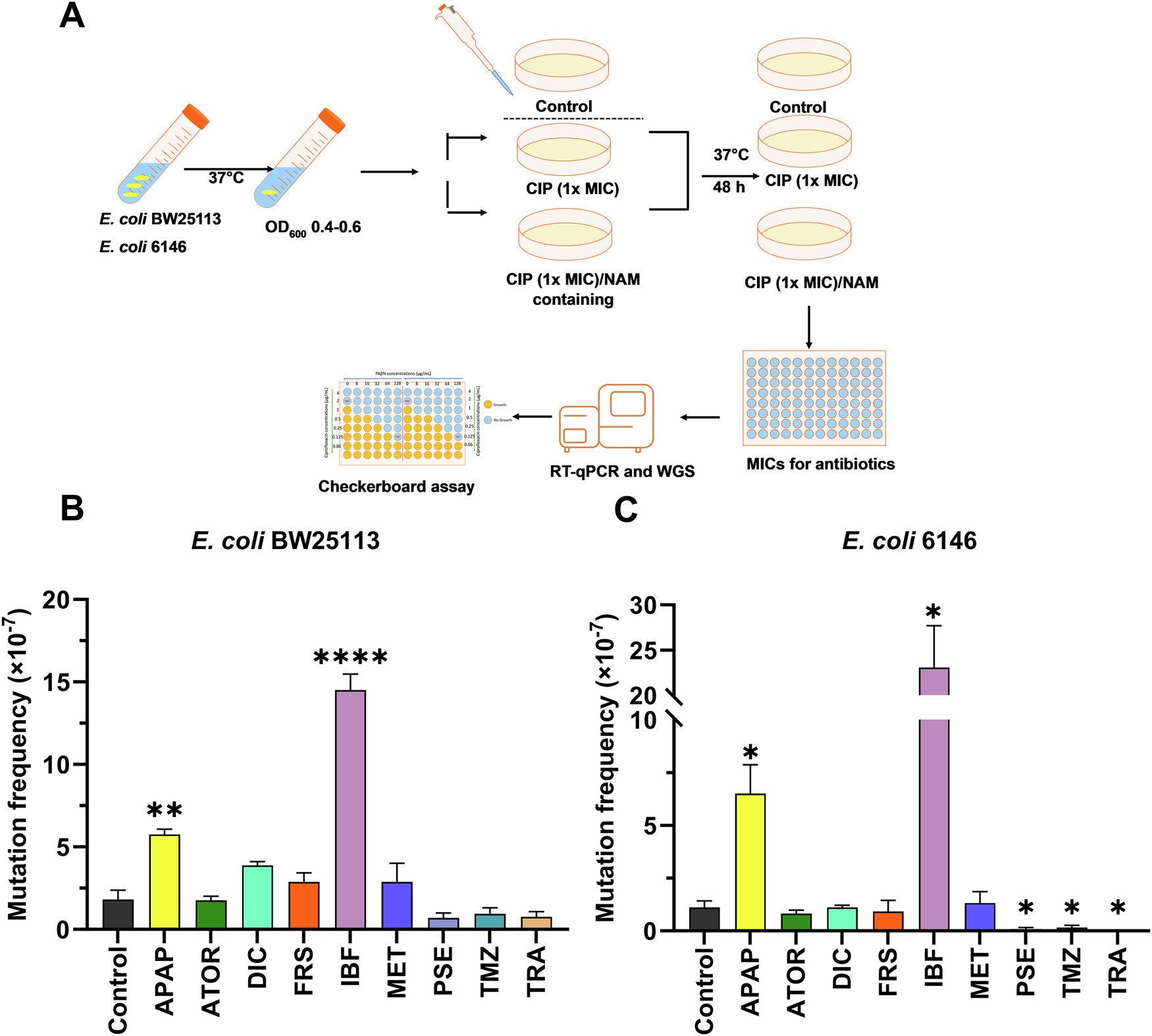
Common painkillers like Advil and Tylenol supercharge antibiotic resistance

Bad news!

"Painkillers ... — ibuprofen and acetaminophen — may be quietly accelerating one of the world’s greatest health crises: antibiotic resistance. Researchers discovered that these drugs not only fuel bacterial resistance on their own but make it far worse when combined with antibiotics. The findings are especially troubling for aged care settings, where residents commonly take multiple medications, creating perfect conditions for resistant bacteria to thrive. ..."

"... Assessing the interaction of non-antibiotic medications, the broad-spectrum antibiotic ciprofloxacin, and Escherichia coli (E. coli) – a common bacteria that causes gut and urinary tract infections ­­– researchers found that ibuprofen and paracetamol significantly increased bacterial mutations, making E. coli highly resistant to the antibiotic. ..."

From the abstract:
"Antimicrobial resistance (AMR) poses a global threat to public health. While antibiotic overuse is a primary driver, emerging evidence suggests that non-antibiotic medications (NAMs) may also contribute. This concern is particularly relevant in residential aged care facilities (RACFs), where both NAMs and antibiotics are frequently used. We investigated whether nine commonly used NAMs in RACFs, including ibuprofen, diclofenac, acetaminophen, furosemide, metformin, atorvastatin, tramadol, temazepam, and pseudoephedrine at gut-relevant concentrations, enhance ciprofloxacin-induced mutagenesis in Escherichia coli. Our findings showed that ibuprofen and acetaminophen significantly increased mutation frequency and conferred high-level ciprofloxacin resistance. Whole-genome sequencing identified mutations in GyrA, MarR, and AcrR, with the latter two correlated with overexpression of AcrAB-TolC drug efflux pump. Co-exposure to two NAMs further elevated mutation rates and ciprofloxacin resistance levels. This study underscored the overlooked role of NAMs in driving AMR and highlighted the need to reassess polypharmacy risks in aged care settings."

Common painkillers like Advil and Tylenol supercharge antibiotic resistance | ScienceDaily


Fig. 2: Mutation frequencies following exposure to ciprofloxacin and NAMs [non-antibiotic medications].


Sunday, August 17, 2025

Using generative AI, researchers design compounds that can kill drug-resistant bacteria

Good news! ML & AI are coming after the pathogens! Defeat is assured! Say goodbye to antimicrobial resistance! This is only the beginning!

"With help from artificial intelligence, MIT researchers have designed novel antibiotics that can combat two hard-to-treat infections: drug-resistant Neisseria gonorrhoeae and multi-drug-resistant Staphylococcus aureus (MRSA).

Using generative AI algorithms, the research team designed more than 36 million possible compounds and computationally screened them for antimicrobial properties. The top candidates they discovered are structurally distinct from any existing antibiotics, and they appear to work by novel mechanisms that disrupt bacterial cell membranes.

This approach allowed the researchers to generate and evaluate theoretical compounds that have never been seen before — a strategy that they now hope to apply to identify and design compounds with activity against other species of bacteria. ..."

From the highlights and abstract:
"Highlights
• Genetic algorithms and variational autoencoders [VAEs] enable fragment-based and de novo design
• Seven of 24 custom-synthesized compounds show selective antibacterial activity
• Two lead compounds display unique modes of action against N. gonorrhoeae and S. aureus
• Two lead compounds show efficacy against multidrug-resistant strains and in mouse models

Summary
The antimicrobial resistance crisis necessitates structurally distinct antibiotics. While deep learning approaches can identify antibacterial compounds from existing libraries, structural novelty remains limited.
Here, we developed a generative artificial intelligence framework for designing de novo antibiotics through two approaches: 
a fragment-based method to comprehensively screen >107 chemical fragments in silico against Neisseria gonorrhoeae or Staphylococcus aureus, subsequently expanding promising fragments, and
an unconstrained de novo compound generation, each using genetic algorithms and variational autoencoders.
Of 24 synthesized compounds, seven demonstrated selective antibacterial activity. Two lead compounds exhibited bactericidal efficacy against multidrug-resistant isolates with distinct mechanisms of action and reduced bacterial burden in vivo in mouse models of N. gonorrhoeae vaginal infection and methicillin-resistant S. aureus skin infection.
We further validated structural analogs for both compound classes as antibacterial. Our approach enables the generative deep-learning-guided design of de novo antibiotics, providing a platform for mapping uncharted regions of chemical space."

Using generative AI, researchers design compounds that can kill drug-resistant bacteria | MIT News | Massachusetts Institute of Technology "The team used two different AI approaches to design novel antibiotics, including one that showed promise against MRSA."


Graphical abstract


Sunday, June 15, 2025

The Swiss pharmaceutical company Roche to begin phase III trial on a new antibiotic to combat one of the world’s deadliest drug-resistant infections.

Good news! Human ingenuity beats any bacteria!

"The drug [zosurabalpin} targets Acinetobacter baumannii, a hospital-acquired superbug resistant to nearly all existing antibiotics. Roche plans to begin Phase III trials in late 2025—a rare late‑stage advance in a field long stalled by limited commercial incentives."

"... Zosurabalpin is a tethered macrocyclic peptide (MCP) antibiotic that was identified through the screening of nearly 45,000 compounds. As described in two papers published in Nature in January 2024 by scientists at Roche and Harvard University, MCPs work by blocking the transport of lipopolysaccharide from the inner bacterial membrane to the outer membrane, which is essential for outer membrane formation and antibiotic resistance in A baumannii. ..."

Weekly Progress Roundup - by Malcolm Cochran - Doomslayer


Chemical Structure Depiction (Source)


Saturday, April 26, 2025

Nearly a third of antibiotics consumed by people end up in surface waters worldwide. Really!

I would say it has been repeatedly reported for over 50 years that antibiotics end up in rivers or lakes etc. What is the point! This seems to be a piece of junk science!

Also one of those never dying and often repeated narratives!

This study is based on computer modeling! Junk model? Garbage in, garbage out?

Lots of estimates and thresholds! How relevant are these thresholds?

What do the authors mean by "human consumption alone represents a significant risk for rivers across all continents"? So should we not consume antibiotics anymore?

It is odd that the authors did not bother to mention wastewater treatment in the abstract nor in the significance chapter. This is shoddy science!

Caveat: I did not read the study!

"Nearly a third of antibiotics consumed by people end up in rivers, per a PNAS modeling study from McGill University and One Health Trust researchers that estimates the distribution of chemical pollutants from untreated wastewater and wastewater treatment plants."

"... Much of the focus has been on the antibiotic manufacturing process, which is known to release antibiotic-laced wastewater directly into nearby waterways. That has resulted in efforts to monitor and limit pollution from antibiotic manufacturing sites.

But since antibiotics consumed by people aren't fully metabolized, wastewaters from households and hospitals are also potential sources of antibiotic contamination. And while wastewater treatment plants can remove some antibiotic residues before the treated water is released into surface waters, they can't remove all of them [???]. ...

The researchers also estimated that 750 million people—roughly 10% of the global population—are exposed [???] to the top 1% of surface waters with the highest cumulative concentrations of antibiotics. ...

The authors say the findings suggest an "urgent need" [???] for further research on the environmental fate and impact of the antibiotics that their model predicts are most prevalent in surface waters, particularly those that pose a high potential risk to aquatic ecosystems and human health. ..."

From the abstract:
"The presence of antibiotics in surface waters poses risks to aquatic ecosystems and human health due to their toxicity and influence on antimicrobial resistance. After human consumption and partial metabolism, antibiotic residues are excreted and undergo complex accumulation and decay processes along their pathway from wastewater to natural river systems.
Here, we use a global contaminant fate model to estimate that of
the annual human consumption of the 40 most used antibiotics (29,200 tonnes), 
8,500 tonnes (29%) are released into the river system and 
3,300 tonnes (11%) reach the world's oceans or inland sinks.
Even when only domestic sources are considered (i.e. not including veterinary or industrial sources),
we estimate that 6 million km of rivers worldwide are subject to total antibiotic concentrations in excess of thresholds that are protective of ecosystems and resistance promotion during low streamflow conditions, 
with the dominant contributors being amoxicillin, ceftriaxone, and cefixime. Therefore, it is of concern that human consumption alone represents a significant risk for rivers across all continents, with the largest extents found in Southeast Asia. Global antibiotic consumption has grown rapidly over the last 15 years and continues to increase, particularly in low- and middle-income countries, requiring new strategies to safeguard water quality and protect human and ecosystem health."

"Significance Statement
Antibiotic contamination in global rivers poses significant threats to aquatic ecosystems and human health. Our model predicts that 8,500 tonnes of antibiotics enter river systems annually from domestic consumption alone, causing elevated concentrations of various antibiotics in rivers across all continents. For example, estimated concentrations of antibiotics in 6 million km of rivers worldwide exceed thresholds that are protective of ecosystems and/or resistance promotion, with the most impacted regions located in Southeast Asia. As global antibiotic consumption rises, especially in low- and middle-income countries, these findings underscore the urgent need for the development and implementation of strategies to minimize antibiotic pollution and safeguard environmental and human health."

Global Health NOW: Global Vaccinations in Jeopardy; Kenya’s Push to Improve HIV Testing During Pregnancy; and Run, Run, Robots!


Fig. 1 Contaminant pathways of antibiotics in the global aquatic environment. Modeled contaminant pathways and mass balances of antibiotics by path. Values in parentheses indicate total amounts of the top 40 antibiotics consumed worldwide in tonnes year−1; percentage values are relative to the total excretion amount (20,500 tonnes year−1).


Tuesday, April 22, 2025

Artificial sweetener saccharin shows surprising power to overcome antibiotic resistance

Amazing stuff! How sweet is it!

"Saccharin, the artificial sweetener used in diet foods like yogurts and sugar-free drinks, can kill multidrug-resistant bacteria—including one of the world's most dangerous pathogens. ..."

From the abstract:
"Saccharin has been part of the human diet for over 100 years, and there is a comprehensive body of evidence demonstrating that it can influence the gut microbiome, ultimately impacting human health.
However, the precise mechanisms through which saccharin can impact bacteria have remained elusive.
In this work, we demonstrate that saccharin inhibits cell division, leading to cell filamentation with altered DNA synthesis dynamics. We show that these effects on the cell are superseded by the formation of bulges emerging from the cell envelope, which ultimately trigger cell lysis.
We demonstrate that saccharin can inhibit the growth of both Gram-negative and Gram-positive bacteria as well as disrupt key phenotypes linked to host colonisation, such as motility and biofilm formation.
In addition, we test its potential to disrupt established biofilms (single-species as well as polymicrobial) and its capacity to re-sensitise multidrug-resistant pathogens to last-resort antibiotics.
Finally, we present in vitro and ex vivo evidence of the versatility of saccharin as a potential antimicrobial by integrating it into an effective hydrogel wound dressing."

Artificial sweetener shows surprising power to overcome antibiotic resistance


Synopsis