Showing posts with label gerontology. Show all posts

Wednesday, February 04, 2026

Anticipating aging-related mental decline using saliva samples and AI

Good news!

"... Researchers at Chongqing Medical University and the Chongqing Key Laboratory of Oral Diseases recently explored the potential of a new approach to predict the onset of cognitive decline, which combines biological samples with machine learning.

Their paper, published in Translational Psychiatry, highlights the potential of this approach for the large-scale screening of older adults and the identification of people who are more at risk of developing neuropsychiatric disorders or neurodegenerative diseases. ..."

From the abstract:
"Neuropsychiatric symptoms (NPS) are early indicators of cognitive decline due to neurodegenerative diseases, and their timely detection is of the utmost importance.
We aimed to develop and validate methods for large-scale NPS screening among elderly individuals and explore underlying metabolic mechanisms. This observational, cross-section study involved 138 and 200 participants in the modeling and external validation cohorts, respectively, chosen from community healthcare centers in Chongqing, China.
Data collection involved demographic questionnaires, saliva samples for oral microbiome analysis, and assays for other biomarkers (IL-6, IL-1β, TNF-α, Cath-B and cortisol).
EXtreme gradient boosting(XGBoost), support vector machine(SVM), and logistic regression(LR) were developed with RFE and LASSO. The models were primarily evaluated using AUROC and F1 scores. The best model was interpreted using SHAP values, while the LR model was transformed into a nomogram. Additionally, BioCyc function pathway analysis was used to predict the functional shift of biomarkers.
The genus-augmented XGBoost model achieved the highest performance, with an AUROC of 0.936 and an F1 score of 0.864, outperforming other models. The LR model was converted into a nomogram to facilitate NPS-risk assessment in community settings.
The external validation confirmed the strong predictive power (AUROC = 0.986, F1 score = 0.944). Enrichment and correlation analyses revealed cortisol and microbial interactions with pathways such as the pentose phosphate pathway and enterobacterial common antigen biosynthesis. The XGBoost-augmented model and nomogram offer promising tools for community-based NPS screening, while enrichment analysis provides insights into biological mechanisms."

Anticipating aging-related mental decline using saliva samples and AI


Fig. 2: The differences of salivary microbiota in elderly with NPS and healthy controls according to the 16S rRNA data.


Fig. 4: Interactions between oral microbiota, inflammatory factors, and metabolic pathways in NPS and healthy controls.


Tuesday, December 23, 2025

A 47 years Long-term study reveals physical ability peaks between the ages 19-35 and deteriorates and accelerates afterwards regardless of fitness or physical exercise

Bad news! Previous studies relied on cross-sectional data, while few studies are based on longitudinal data like this one. 

Aging is a bitch! Hopefully, machine learning & AI will finally make a difference in the near future.

"A 47-year study tracking over 400 people found that physical fitness and strength begin declining at age 35, with cardio endurance dropping at 45 for both men and women, regardless of previous workout habits."

"Previously, researchers relied on cross-sectional studies to gain this knowledge. The SPAF study is one of the few that, for nearly 50 years, has regularly measured fitness and strength in the same randomly selected men and women across Sweden. ...
The results show that fitness and strength begin to decline as early as age 35, regardless of training volume. After that, there is a gradual deterioration that accelerates with age. But the researchers also have positive news: individuals who started being physically active in adulthood improved their physical capacity by 5–10 percent. ..."

From the abstract:
"Background:
As we age, there is a progressive decline in skeletal muscle tissue and function that can become clinically significant in the sixth decade of life affecting independent living and health.
Longitudinal observations in elite athletes show that peak physical performance is reached before the age of about 35 years despite continuous training, suggesting that the tissue processes underlying muscle dysfunction may begin decades before they become clinically relevant. To answer the question of whether the pattern of performance decline in athletes also applies to the general population, a population-based longitudinal study is needed.

Methods:
In the Swedish population cohort (SPAF), 427 individuals (48% women) born in 1958 underwent repeated objective assessments of physical capacity from age 16 to 63 years. Linear mixed models were used to estimate age- and sex-specific changes in the original cohort during the study period.

Results:
The estimated maximal aerobic capacity and muscular endurance (bench press repetitions) peaked at ages 26-36 in both sexes and declined gradually, starting at 0.3%-0.6% per year and accelerating to 2.0%-2.5% per year (main effect of age p < 0.001 and sex p < 0.01), with no sex difference in decline rates.
Muscle power was measured using the Sargent jump test, with men having their peak at age 27, and women at age 19.
Group variance in physical performance increased markedly with age, with relative aerobic capacity showing a 25-fold increase, jump height a nearly 5-fold increase, and muscular endurance a threefold increase in variance from adolescence to age 63.
The rate of decline was small initially (0.2%-0.5% per year) but increased with age (2.2% per year), in both sexes (main effect of age p < 0.001 and sex p < 0.001), with no difference between the sexes.
The overall decline in physical capacity from peak to age 63 ranged from 30% to 48%.
Higher leisure-time physical activity at age 16 and becoming active in adulthood were associated with better performance across all outcomes (p = 0.00-0.02); having a university degree was positively associated with absolute aerobic capacity (p = 0.04) and muscular endurance (p = 0.02).

Conclusions:
The Swedish population cohort SPAF shows the same pattern of changes in physical capacity in adulthood as previously demonstrated for elite athletes. This confirms the concept that a decline in physical capacity can be observed before the age of 40, which can later lead to clinically significant physical dysfunction, especially in individuals with a sedentary lifestyle."

Long-term study reveals physical ability peaks at age 35 | Karolinska Institutet "A 47-year-long Swedish study at Karolinska Institutet reveals how fitness, strength, and muscle endurance change during adulthood. The results show that physical ability starts to deteriorate as early as age 35, but it is never too late to start exercising."

Wednesday, December 03, 2025

Blocking a master regulator of aging regenerates joint cartilage in mice

Good news!

"In brief
  • A Stanford Medicine-led study shows blocking the protein 15-PGDH reverses cartilage loss in aging mice and human tissue.
  • The treatment could replace traditional osteoarthritis management, offering a novel approach to joint regeneration without stem cells.
  • Researchers highlight clinical potential, aiming to initiate trials for cartilage regeneration, addressing a significant unmet medical need.
An injection that blocks the activity of a protein involved in aging reverses naturally occurring cartilage loss in the knee joints of old mice, a Stanford Medicine-led study has found.
The treatment also prevented the development of arthritis after knee injuries, mirroring the ACL tears often experienced by athletes or recreational exercisers.
An oral version of the treatment is already in clinical trials with the goal of treating age-related muscle weakness. ...

The protein, 15-PGDH – termed a gerozyme due to its increase in prevalence as the body ages – is a master regulator of aging. Gerozymes, identified by the same researchers in 2023, also drive the loss of tissue function. They are a major force behind age-related loss of muscle strength in mice.
Blocking the function of 15-PGDH with a small molecule results in an increase in old animals’ muscle mass and endurance. Conversely, expressing 15-PGDH in young mice causes their muscles to shrink and weaken. The gerozyme has also been implicated in the regeneration of bone, nerve, and blood cells. ..."

From the abstract:
"Aging or injury to the joints can lead to cartilage degeneration and osteoarthritis (OA), for which there are limited effective treatments.
We found that expression of 15-hydroxy prostaglandin dehydrogenase (15-PGDH) is increased in the articular cartilage of aged or injured mice.
Both systemic and local inhibition of 15-PGDH with a small molecule inhibitor (PGDHi) led to regeneration of articular cartilage and reduction in OA-associated pain.
Using single cell RNA-sequencing and multiplexed immunofluorescence imaging of cartilage, we identified the major chondrocyte subpopulations.
Inhibition of 15-PGDH decreased hypertrophic-like chondrocytes expressing 15-PGDH and increased extracellular matrix-synthesizing articular chondrocytes. Cartilage regeneration appears to occur through gene expression changes in pre-existing chondrocytes, rather than stem or progenitor cell proliferation. 15-PGDH inhibition could be a potential disease-modifying and regenerative approach for osteoarthritis."

Blocking a master regulator of aging regenerates joint cartilage in mice | Stanford Report "A new study suggests it may be possible to regenerate cartilage lost to aging or arthritis with an oral drug or local injection, rendering knee and hip replacement unnecessary."


The knee joint of a young mouse (top), aged mouse (middle) and treated aged mouse (bottom). The red indicates cartilage.


Thursday, September 04, 2025

An epigenetic atlas of ageing

Good news!

"A new DNA-methylation map could reveal anti-aging targets, a pre-print meta-analysis suggests. The study looked at epigenetic changes — namely methylation, the addition or removal of tags called methyl groups — in 17 human tissue types.
It revealed that some tissues, such as retina and stomach, accumulate age-related DNA changes faster than others. “This work looks into the functional relevance of the methylation, rather than just using it as a timepiece for ageing,”  ... While most tissues gain methylation as they age, skeletal and lung tissue are the exception to the rule, the study found."

"The visible effects of ageing on our body are in part linked to invisible changes in gene activity. The epigenetic process of DNA methylation — the addition or removal of tags called methyl groups — becomes less precise as we age. The result is changes to gene expression that are linked to reduced organ function and increased susceptibility to disease as people age. ..."

From the abstract:
"Aging involves widespread epigenetic remodeling across tissues, yet the nature and consistency of these changes remain unclear.
We conducted a meta-analysis of more than 15,000 human methylomes spanning 17 tissues, identifying both conserved and tissue-specific aging signatures.
We examined linear changes via differentially methylated positions, variability shifts via variably methylated positions, and Shannon-entropy to capture methylation disorder.
Network analysis revealed fragile co-methylation modules largely resistant to beneficial perturbation.
Key disruptors, including PCDHGA1, MEST, HDAC4, and HOX genes, exacerbated aging signals across tissues.
Notably, a resilient module enriched for NAD⁺ salvage metabolism supports therapeutic targeting of NAD⁺ in aging.
PCDHGA1 emerged as a conserved cross-tissue driver, suggesting protocadherin-mediated adhesion plays a broader role in maintaining structural and signaling stability in multiple organ systems.
Our open-access atlas provides a foundational resource for dissecting the molecular architecture of human aging and identifying testable targets for intervention, biomarkers, and translational epigenetic therapies"

Nature Briefing

How ageing changes our genes — huge epigenetic atlas gives clearest picture yet "A map of DNA methylation changes in human organs could help researchers to discover more targets for anti-ageing therapies."


Fig. 1 Differentially Methylated Positions (DMPs) with Age in 17 distinct human tissues. Each volcano plot depicts a unique tissue along with its methylation changes as one ages. Each dot corresponds to a distinct CpG, with colored dots indicating a significant association with age at an FDR <0.005, while gray dots signify CpGs that do not exhibit significant changes with age.


Iron's role in memory decline and brain aging

Good news!

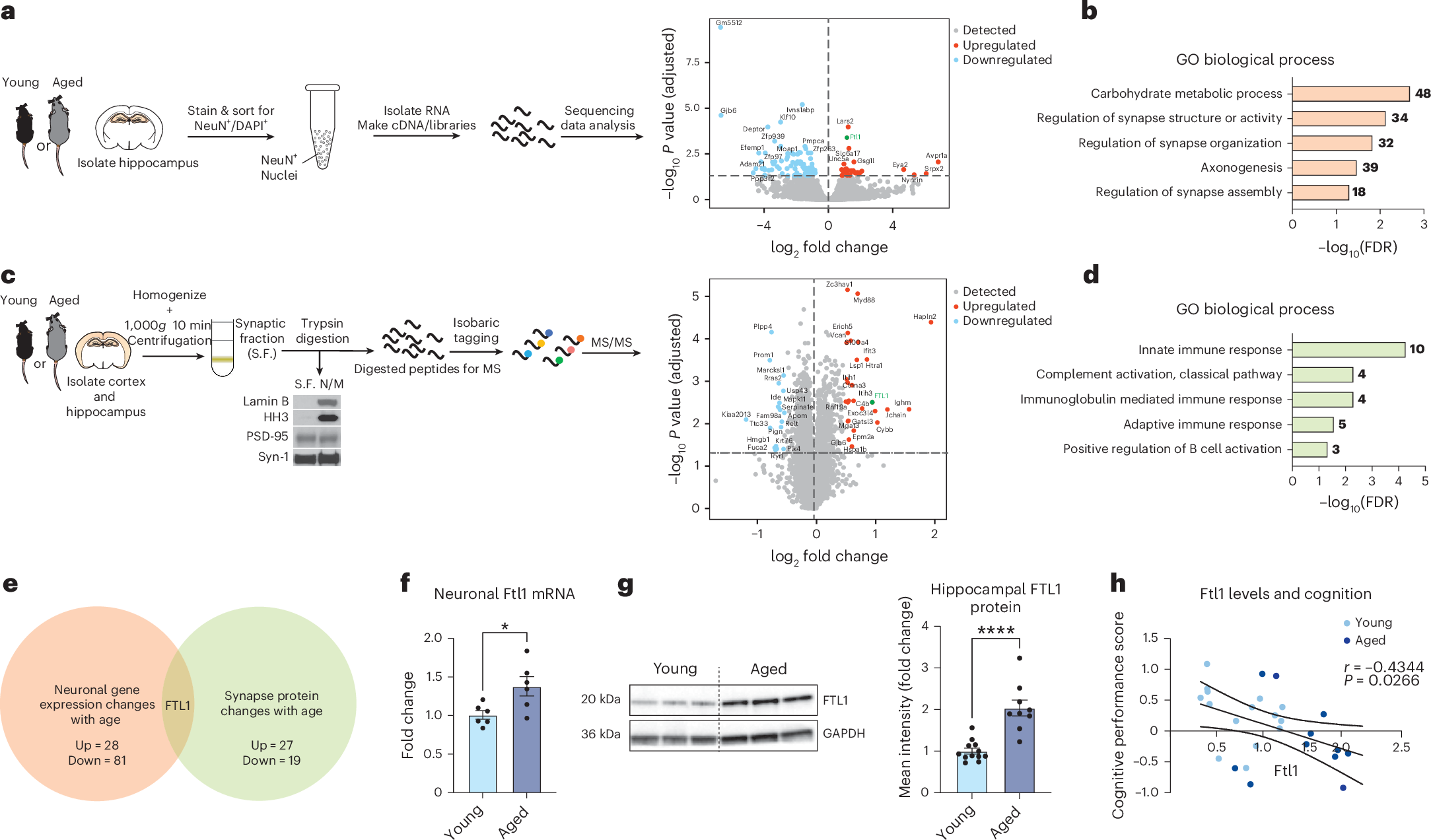
"... the hippocampus, a brain region responsible for regulating learning and memory, and highly vulnerable to the effects of aging. Using a process called neuronal nuclei RNA sequencing they identified ferritin light chain 1 (FTL1), an iron-associated protein, as a pro-aging neuronal factor that impairs cognition.

Using transcriptomics and mass spectrometry, researchers found that older mice had more FTL1 in their hippocampus, the brain's memory HQ. This iron-handling protein wasn't just loitering; it was actively disrupting neural connections and dimming cognitive performance. ..."

"... They looked at how the genes and proteins in the hippocampus changed over time in mice and found just one protein that differed between old and young animals. It’s called FTL1. Old mice had more FTL1, as well as fewer connections between brain cells in the hippocampus and diminished cognitive abilities.

When the researchers artificially increased FTL1 levels in young mice, their brains and behavior began to resemble that of old mice. In experiments in petri dishes, nerve cells engineered to make lots of FTL1 grew simple one-armed neural wires, or neurites, rather than the branching neurites that normal cells create.

But when scientists reduced the amount of FTL1 in the hippocampus of the old mice, they regained their youth. They had more connections between nerve cells, and the mice did better on memory tests. ..."

From the abstract:
"Understanding cellular and molecular drivers of age-related cognitive decline is necessary to identify targets to restore cognition at old age.
Here we identify ferritin light chain 1 (FTL1), an iron-associated protein, as a pro-aging neuronal factor that impairs cognition.
Using transcriptomic and mass spectrometry approaches, we detect an increase in neuronal FTL1 in the hippocampus of aged mice, the levels of which correlate with cognitive decline.
Mimicking an age-related increase in neuronal FTL1 in young mice alters labile iron oxidation states and promotes synaptic and cognitive features of hippocampal aging.
Targeting neuronal FTL1 in the hippocampi of aged mice improves synaptic-related molecular changes and cognitive impairments.
Using neuronal nuclei RNA sequencing, we detect changes in metabolic processes, such as ATP synthesis, and boosting these metabolic functions through NADH supplementation mitigated pro-aging effects of neuronal FTL1 on cognition. Our data identify neuronal FTL1 as a key molecular mediator of cognitive rejuvenation."

Iron's role in memory decline and brain aging "'Master switch' brain protein could reverse age-related memory loss"


Fig. 1: Neuronal FTL1 increases in the hippocampus with age and negatively correlates with cognitive function.


Thursday, July 17, 2025

Older men have a much higher death by suicide risk than same age older women

There are various reasons why men die earlier than women (crimes, dangerous work, war among them). Here is another one, but a disturbing one.

More older women survive their suicide attempts than older men due to their choice of means to commit suicide.


"... Meanwhile, another demographic has gone largely overlooked. The people most at risk from suicide aren’t those in crisis in adolescence or midlife, but men age 75 and older. Some 38.2 deaths per 100,000 among men age 75 to 84 are by suicide, which increases to 55.7 among those over 85, according to data from CDC — more than 16 times the suicide rate for women in the same age group. Researchers are calling for a public health effort, much like the one to treat youth mental health, to help address suicide in older men. ...

Suicide rates have risen steadily for two decades among men 55 and older, and researchers are struggling with the question of why, and how to intervene. ...

Chief among them is men’s tool of choice for attempting suicide. Older men are dramatically more likely than older women to die of gun suicides: The rate was 17 times higher for men 75-84, and a staggering 51 times higher for men 85 and older in 2021. ...

That lethality goes a long way toward explaining why many more older men die by suicide despite the fact that men and women over 50 attempt suicide at similar rates, according to 2022 and 2023 data from the National Survey on Drug Use and Health. ...

Other reasons for the high rates of suicide among older men are social stressors like retirement, divorce, and financial instability, combined with particularly masculine traits that make these factors harder for them to adapt to. ...

the five D’s: depression, disease, disability, disconnection, and deadly means. Although disease and disability affect both men and women ... it can be harder for men to cope. ...

The primary reason for suicide is loneliness ..."

Global Health NOW: Accelerating Alzheimer’s Research; Replacing Aid With ‘Sin Taxes’; and Molar Express

An overlooked demographic has the highest suicide risk — and it’s been rising "While prevention efforts focus on the young, men 75 and older are most at risk"


Sunday, July 13, 2025

Amino acid Betaine can reproduce some of the benefits of exercise and slow some signs of ageing

Good news (for older, exercising males)!

"Exercise benefits — without the workout
When fed to mice, betaine — a modified amino acid made by the kidneys and involved in metabolism — can reproduce some of the benefits of exercise and slow some signs of ageing. Researchers found that old mice given water spiked with the molecule had stronger muscles, less inflammation and more youthful skin than their counterparts who did not get the supplement. Whether it would have the same effect in humans is unclear, but even if it did, it couldn’t replicate all of the myriad benefits of exercise ..."

From the highlights and abstract:
"Highlights
• Systematic molecular blueprint of how exercise reshapes human homeostasis
• Repeated exercise boosts circulating betaine partly via renal synthesis
• Betaine inhibits TBK1, reducing senescence and inflammation
• Betaine exerts multi-organ geroprotection in aged mice

Summary
Exercise has well-established health benefits, yet its molecular underpinnings remain incompletely understood. We conducted an integrated multi-omics analysis to compare the effects of acute vs. long-term exercise in healthy males. 
Acute exercise induced transient responses, whereas repeated exercise triggered adaptive changes, notably reducing cellular senescence and inflammation and enhancing betaine metabolism.
Exercise-driven betaine enrichment, partly mediated by renal biosynthesis, exerts geroprotective effects and rescues age-related health decline in mice.
Betaine binds to and inhibits TANK-binding kinase 1 (TBK1), retarding the kinetics of aging. These findings systematically elucidate the molecular benefits of exercise and position betaine as an exercise mimetic for healthy aging."

Nature Briefing: Translational Research

Can a pill replace exercise? Swigging this molecule gives mice benefits of working out (behind paywall) "Betaine, a compound that becomes more abundant in men who take up jogging, could confer some of the anti-ageing advantages of physical activity."


Graphical abstract


Saturday, July 12, 2025

FGF21 is a hormone having a variety of beneficial metabolic effects in older mice

Good news! In the future, maybe more hormones, less vitamins & minerals?

"Fibroblast growth factor 21 (FGF21) is a hormone that is primarily produced in the liver, as well as in adipocytes and some other tissues. It has been reported to have a variety of beneficial metabolic effects, but there has been no clear mechanistic explanation for them.
Using mouse models of adipocyte-specific overexpression of FGF21, Gliniak et al. demonstrated that these animals are protected from obesity and live longer overall without losing lean tissue mass or bone mineral density. These beneficial effects of FGF21 were due to a variety of effects on different tissues and organs, including increased energy expenditure, improved insulin sensitivity, and decreased adipose tissue ceramide buildup and inflammation, all of which help to explain the health benefits attributed to this hormone."

From the highlights and abstract:
"Highlights
• FGF21 overexpression in the adult mouse increases survival that is not linked to trade-offs in organismal growth
• FGF21 overexpression prevents obesity, liver steatosis, and loss of lean mass in gerobese mice fed a HFD
• Elevated FGF21 increases energy expenditure but does not affect cold tolerance in mice fed a HFD
• FGF21 reduces ceramide levels in visceral adipose tissue by adiponectin-independent mechanisms

Summary
Approximately 35% of US adults over 65 are obese, highlighting the need for therapies targeting age-related metabolic issues.
Fibroblast growth factor 21 (FGF21), a hormone mainly produced by the liver, improves metabolism and extends lifespan.
To explore its effects without developmental confounders, we generated mice with adipocyte-specific FGF21 overexpression beginning in adulthood. When fed a high-fat diet, these mice lived up to 3.3 years, resisted weight gain, improved insulin sensitivity, and showed reduced liver steatosis.
Aged transgenic mice also displayed lower levels of inflammatory immune cells and lipotoxic ceramides in visceral adipose tissue, benefits that occurred even in the absence of adiponectin, a hormone known to regulate ceramide breakdown.
These results suggest that fat tissue is a central site for FGF21’s beneficial effects and point to its potential for treating metabolic syndrome and age-related diseases by promoting a healthier metabolic profile under dietary stress and extending healthspan and lifespan."

In Other Journals | Science


Graphical abstract


Friday, March 14, 2025

Key Brain protein could be anti-ageing target

Good news! Towards the fountain of youth!

"A protein involved in Alzheimer’s-disease progression has been linked to normal brain ageing, suggesting that researchers could target it to stave off age-related mental decline. The breakdown of amyloid-β precursor protein (APP), creates amyloid-β peptides, which are often present in plaques in the brains of people with Alzheimer’s disease. Researchers found that knocking out the gene that produces APP in turquoise killifish (Nothobranchius furzeri) reduces signs of ageing — hinting that it has an overlooked role in neurodegeneration that isn’t caused by disease."

From the abstract:
"Brain aging is a pivotal risk factor for many neurodegenerative diseases, yet its molecular and cellular mechanisms remain elusive. The amyloid-beta precursor protein (APP) is among the most studied proteins linked to brain pathology; however, its role in non-pathological brain aging remains poorly characterized. Here, we investigate the natural impact of APP on normal brain aging using the short-lived turquoise killifish (Nothobranchius furzeri), which exhibits rapid and spontaneous age-related decline. We found that pyroglutamated amyloid beta —a neurotoxic Aβ variant—accumulates intra-neuronally in an age-dependent manner, co-localizing with a marker of cell death.
We found that intraneuronal pyroglutamated amyloid beta is also present in old human brains, suggesting deep evolutionary conservation.
To determine Aβ’s role in spontaneous brain aging, we generated an “amyloid precursor protein a” (appa) knock-out killifish line using CRISPR/Cas9. The knock-out of appa rescued age-dependent increase in cell death and inflammation, mitigated proteome-wide brain aging and improved the age-related decline in neuronal activity and learning capacity. Our findings show a key role for Aβ precursor protein in non-pathological brain aging, making it a suitable target for anti-aging interventions."

Nature Briefing: Translational Research

This key protein could be responsible for brain ageing "An amyloid protein targeted by Alzheimer’s disease therapies seems to be involved in normal mental decline."

APP contributes to brain aging and learning decline in short-lived turquoise killifish (original news release, but extremely short) "Brain aging is influenced by the amyloid-beta precursor protein (APP), which accumulates in the brain and contributes to cell death and inflammation. ... found that knocking out APP in a short-lived fish species improved brain health and reduced age-related decline, suggesting a potential target for anti-aging interventions."


3D protein structure of amyloid beta (1-42) is conserved between turquoise killifish and humans.


Saturday, October 19, 2024

Belgium's techno parties for octogenarians, next is speed dating

Age is only a number!
"
Belgian non-profit group Papy Booom’s slogan is "Fun keeps you young." By organizing dance and music events for seniors, elderly revelers can still party hard — even if some of them are unfamiliar with the music genre."

Saturday, October 05, 2024

Image of the day

Miss Universe South Korea 2024 competition. Age is only a number! 

There is also talk of the "silver economy" in South Korea.

"... a eureka moment came for Choi when she was 72 years old and working as a nursing assistant. A patient told her she looked like a model and that she should be strutting runways instead of changing bedpans. ..." (Source)

"Choi Soon-hwa became a runway model in her 70s and hopes her example can inspire other elderly people to pursue their passions, with the 65-and-over population set to rocket to 40% of all South Koreans by 2050." (Source)


Here is a close up. Looks like she is having the time of life! 😊


Friday, October 04, 2024

Comment on Systemic dysregulation and molecular insights into poor influenza vaccine response in the aging population

Recommendable! 

It appears how well an older individual responds to a flu vaccination can be determined before the flue shot.

From the abstract:
"Vaccination-induced protection against influenza is greatly diminished and increasingly heterogeneous with age. We investigated longitudinally (up to five time points) a cohort of 234 vaccinated >65-year-old vaccinees with adjuvanted vaccine FluAd across two independent seasons. System-level analyses of multiomics datasets measuring six modalities and serological data revealed that poor responders lacked time-dependent changes in response to vaccination as observed in responders, suggestive of systemic dysregulation in poor responders. Multiomics integration revealed key molecules and their likely role in vaccination response. High prevaccination plasma interleukin-15 (IL-15) concentrations negatively associated with antibody production, further supported by experimental validation in mice revealing an IL-15–driven natural killer cell axis explaining the suppressive role in vaccine-induced antibody production as observed in poor responders. We propose a subset of long-chain fatty acids as modulators of persistent inflammation in poor responders. Our findings provide a potential link between low-grade chronic inflammation and poor vaccination response and open avenues for possible pharmacological interventions to enhance vaccine responses."

Systemic dysregulation and molecular insights into poor influenza vaccine response in the aging population | Science Advances (open access)

Grippeimpfung bei älteren Menschen über 60: Lässt sich die Wirksamkeit steigern?

Empfehlenswert! Die Antwort ist Ja!

"... In einer aktuellen Studie konnten Forschende nun wichtige Schlüsselmoleküle identifizieren, die Aufschluss über die Immunantwort bei älteren Menschen geben. Sie könnten dabei helfen, die Wirksamkeit von Impfungen zu erhöhen. ...

Um die Immunantwort zu verbessern, gibt es für Menschen ab 60 bzw. 65 Jahren spezielle Hochdosis-Grippeimpfstoffe. ... Doch auch diese Impfstoffe wirken nicht bei allen gleich gut. ...

... Besonders auffällig war, dass Non-Responder eine erhöhte Zahl an natürlichen Killerzellen im Blut hatten, die auf chronische Entzündungen hindeuten. ...

ob sich schon vor der Impfung vorhersagen lässt, wie gut die Immunantwort ausfallen wird. Hierbei zeigte sich, dass Non-Responder bereits vor der Impfung höhere Werte von Interleukin-15 aufwiesen. Dieser Botenstoff steht in Zusammenhang mit chronischen Entzündungsprozessen, die oft bei älteren Menschen auftreten. ..."

Grippeimpfung bei älteren Menschen: Lässt sich die Wirksamkeit steigern? - ingenieur.de "Die Grippeimpfung ist bei älteren Menschen oft weniger wirksam. Warum das so ist, wurde nun herausgefunden und könnte dabei helfen, die Wirksamkeit zu erhöhen."

Thursday, October 03, 2024

Image of the day

Age is only a number!

Andy Ingersoll (age 84) is professor of planetary science, emeritus, and member of the Caltech campus Ping Pong Club. (Source)


Sunday, August 25, 2024

Massive biomolecular shifts occur in our 40s and 60s in men and women, researchers find

Amazing stuff!

Why should aging be a strictly gradual process? Why not in phases?
From my own experience, I tend to believe this is correct.

"... Researchers assessed many thousands of different molecules in people from age 25 to 75, as well as their microbiomes—the bacteria, viruses and fungi that live inside us and on our skin—and found that the abundance of most molecules and microbes do not shift in a gradual, chronological fashion. Rather, we undergo two periods of rapid change during our life span, averaging around age 44 and age 60. A paper describing these findings appears in Nature Aging. ...

These big changes likely impact our health; the number of molecules related to cardiovascular disease showed significant changes at both time points, and those related to immune function changed in people in their early 60s. ...

The researchers used data from 108 people they've been following to better understand the biology of aging. Past insights from this same group of study volunteers include the discovery of four distinct "ageotypes," showing that people's kidneys, livers, metabolism and immune system age at different rates in different people. ...

The researchers tracked age-related changes in more than 135,000 different molecules and microbes, for a total of nearly 250 billion distinct data points. ...

They found that thousands of molecules and microbes undergo shifts in their abundance, either increasing or decreasing—around 81% of all the molecules they studied showed non-linear fluctuations in number, meaning that they changed more at certain ages than other times. When they looked for clusters of molecules with the largest changes in amount, they found these transformations occurred the most in two time periods: when people were in their mid-40s, and when they were in their early 60s. ..."

From the abstract:
"Aging is a complex process associated with nearly all diseases. Understanding the molecular changes underlying aging and identifying therapeutic targets for aging-related diseases are crucial for increasing healthspan. Although many studies have explored linear changes during aging, the prevalence of aging-related diseases and mortality risk accelerates after specific time points, indicating the importance of studying nonlinear molecular changes. In this study, we performed comprehensive multi-omics profiling on a longitudinal human cohort of 108 participants, aged between 25 years and 75 years. The participants resided in California, United States, and were tracked for a median period of 1.7 years, with a maximum follow-up duration of 6.8 years. The analysis revealed consistent nonlinear patterns in molecular markers of aging, with substantial dysregulation occurring at two major periods occurring at approximately 44 years and 60 years of chronological age. Distinct molecules and functional pathways associated with these periods were also identified, such as immune regulation and carbohydrate metabolism that shifted during the 60-year transition and cardiovascular disease, lipid and alcohol metabolism changes at the 40-year transition. Overall, this research demonstrates that functions and risks of aging-related diseases change nonlinearly across the human lifespan and provides insights into the molecular and biological pathways involved in these changes."

Massive biomolecular shifts occur in our 40s and 60s, researchers find

Massive biomolecular shifts occur in our 40s and 60s, Stanford Medicine researchers find (original news release) "Time marches on predictably, but biological aging is anything but constant, according to a new Stanford Medicine study."


Fig. 1: Most molecules and microbes undergo nonlinear changes during human aging. [The art of aging! Can aging be so beautiful?]


Thursday, July 11, 2024

22,000 mostly elderly were Dying Alone and unnoticed in Japan in first quarter of 2024

Sad news! What about Western countries?

"... As Japan’s population continues to age, solitary, unnoticed deaths are increasing. 
Nearly 22,000 people died alone at home in the first three months of 2024. 80% were 65 or older. 

Kodokushi, or solitary deaths, are expected to reach 68,000 by year’s end. 
A growing problem: 7.8 million+ people in Japan currently live alone. That number is expected to rise to almost 11 million by 2050. ..."

Global Health NOW: Why Do Prescription Drugs Have Such Crazy Names?; Dying Alone in Japan; and Memories of Measles

Monday, June 10, 2024

For Healthy Aging, Stay Connected

Serious stuff! Be social, stay social no matter what your age! If you loose friends due to death try to make new ones. 

Wear your hearing aid! Not wearing a hearing aid may increase social isolation. I remember well that my maternal grandpa often complained that his hearing aid made annoying sounds so he did not wear it. Unfortunately, I have to admit I do not remember whether myself or my parents made a serious effort to find perhaps a better hearing aid for him. We kind of dismissed his complaints as him being too vain or fussy to wear a hearing aid. But that was several decades ago. Hopefully, today's hearing aids are more comfortable.

"Spending too much time alone can take a toll on both mind and body: The increased risk of mortality from social isolation has been compared to smoking 15 cigarettes a day. [Not sure why they compared it to smoking???]

For older adults, the consequences can be particularly severe—and in the U.S., roughly 1 in 4 people over 65 are socially isolated.

According to a 2020 NAS report, socially isolated people ages 65+ face elevated health risks:
25% increased risk of cancer-related mortality.
50% increased likelihood of developing dementia.
32% increased risk of stroke.
Physical decline can make it difficult to engage: Hearing loss, for example, is associated with a 28% greater risk of social isolation over time, per a 2024 study."

"... Another cost: Medicare spends $6.7 billion annually in added cost of care for socially isolated older Americans, according to a 2017 AARP report. ...
For example, ... that relatively few hearing-impaired adults—between 10% and 20%—use hearing aids ..."

Global Health NOW: Simmering Surprises in Avian Flu; Why Global Health Should Prioritize Women’s Land Ownership; and The Magnet Fishing Attraction

Aging in America: For Healthy Aging, Stay Connected A growing body of research shows the importance of addressing loneliness and social isolation.