Showing posts with label ornithology. Show all posts

Sunday, September 20, 2026

Bird plumage patterns by geography

Amazing stuff!

"Birds have a remarkable variety of plumage colors that vary across space. Using digitized illustrations from the Handbook of the Birds of the World, Han et al. investigated how abiotic and biotic factors influence this striking variation. They found support for two long-standing hypotheses linking plumage to climate: Birds are darker in both warm humid and cold locations, where darker coloration may reduce parasite loads and increase radiation absorption, respectively. Although plumage patterning is constrained by body size, the spectrum from blue to yellow coloration likely depends on diet, because yellow and orange carotenoid pigments are more available from food sources in the tropics. This work shows how multiple factors intersect to shape the geography of plumage coloration in birds."

From the abstract:
"Animal coloration exhibits substantial biogeographic variation, reflecting complex adaptations to both abiotic and biotic environments. Although the evolutionary mechanisms underlying avian plumage coloration have been widely studied, geographic variation in plumage patterning has received far less attention.
To extend our understanding of avian plumage evolution, we quantified global plumage coloration and patterning across 10 290 bird species using an extensive red-green-blue (RGB) dataset derived from illustrations in the Handbook of the Birds of the World. To test ecogeographical predictions, we modeled variation in plumage lightness, blue–yellow chromaticity, and pattern granularity using phylogenetic mixed models and path analyses. Our analyses revealed pronounced geographic heterogeneity in both plumage coloration and patterning.
Variation in plumage lightness followed broad climatic gradients, and darker coloration was associated with humid and colder environments, consistent with the combined predictions of Gloger's rule (darker in warm, humid areas) and Bogert's rule (darker in cold areas).
These rules are not contradictory but coexist; their relative influence is determined by whether humidity or temperature is the dominant selective force in a given region. While resident species in cold environments largely supported Bogert's rule for thermoregulation, migratory species and proficient fliers (e.g. gulls) deviated from this pattern by maintaining lighter plumage to avoid overheating during flight. Furthermore, we identified a strong latitudinal gradient along the blue–yellow axis: tropical humidity promotes carotenoid-rich yellow plumage through dietary shifts, whereas higher latitudes favor structural blue hues. Patterning also showed large-scale structure, with larger pattern elements linked to humid environments and larger body sizes rather than to specific foraging habitats. By integrating classical ecological rules with the thermoregulation hypothesis, our study provides a unified framework explaining how climatic constraints and ecological processes interact to shape the global distribution of avian coloration patterns."

In Other Journals | Science


Fig. 2 Principal component analysis (PCA) of species-averaged plumage values (lightness, color, and patterning) for 10290 bird species.


Fig. 3 Latitudinal and global geographic variation in avian plumage coloration and patterning with a 95% confidence interval (CI) during the breeding and non-breeding seasons.


Monday, August 24, 2026

How large solar panel farms in China affect bird diversity, foraging and breeding behavior

Bad news! So much for so called (intermittent and unreliable) renewable energy!

Notice here again the AAAS use of awful climate change demagoguery! Or is the AAAS even admiring/promoting an authoritarian regime by the Communist Party of China?

Notice the study below also seems to confuse/conflate solar power farms and the replacement of diverse natural landscapes with dense homogeneous vegetation.

So solar panel farms do not only spoil nature!

We have known for a long time that wind turbine farms are mass killers of birds, bats, and insects! Plus, besides spoiling nature, they cause noise pollution! 

"... In China, strong governmental policy has led to solar panels covering thousands of square kilometers.
Since birds are highly responsive to transformations in habitat and vegetation that can impact their breeding and migratory sites, assessing corresponding changes in bird diversity can serve as an indicator of wider ecological disturbance.

Researchers analyzed the overlap between pro-solar governmental policies and bird observations, as well as changes in land use, vegetation, and agricultural productivity, from 2014 to 2023 in 2344 Chinese counties. They found that stronger solar policies correlated with a reduction in bird biodiversity, especially in wealthy and nondesert regions. ..."

"... Just as climate policy requires credible estimates of climate damages [???] to inform the social cost of carbon, credible estimates of biodiversity values are needed when sustainable development policies alter ecosystems."

"Editor’s summary
The world needs to develop clean, renewable energy [???]. However, given the enormous human population and our energy needs, clean energy also will have a large footprint on nature.
Solar energy represents one of the cleanest forms [???] of renewables, but solar farms can greatly alter the environment.
Zhang et al. looked at the effects of solar power–promoting policies on bird diversity across over 2000 counties in China ... They found that counties with the most pro-photovoltaic policies had reductions in bird diversity, primarily due to land conversion. They argue that solar developments must be proactive about countering such losses, especially focusing siting efforts in regions such as deserts [???], where vegetation alteration can be minimized. ...

Abstract
Could the global transition to renewable energy create a green dilemma that pits carbon reduction against biodiversity conservation?
This study examined the effect of policies promoting solar photovoltaics on local avian biodiversity using a panel dataset covering 2344 counties in China from 2014 to 2023. Policies that favored photovoltaic expansion led to reductions in bird diversity, disproportionately affecting wealthier and nondesert regions, as well as widespread species.
The mechanism operated primarily through land conversion: Cropland and grassland were transformed into developed areas, reducing the diversity of vegetation.
Paradoxically, the leaf area index increased, a pattern we term “inferior greening,” whereby diverse natural landscapes were replaced by dense but ecologically homogeneous vegetation.
We argue that future photovoltaic development should be accompanied by strict biodiversity safeguards, especially in economically developed regions with high habitat complexity."

From the paper:
"The global imperative [???] to mitigate climate change has catalyzed an unprecedented expansion of renewable energy, with solar photovoltaics at the forefront. This transition, essential for decarbonization [???], can entail a profound transformation of land use, creating a potential conflict with biodiversity conservation. Nowhere is this dynamic more pronounced than in China, where the carbon neutrality strategy [???] is driving a massive expansion of solar capacity projected to constitute nearly 45% of its energy mix by 2060. ...

The large-scale deployment of solar arrays driven by these policies often results in severe habitat fragmentation and the loss of essential foraging and breeding grounds, threatening avian populations regardless of flock size. ..."

ScienceAdviser

Beyond carbon in renewable energy policy (perspective, open access) "China’s policy-driven solar expansion shows why climate policy appraisal should look at biodiversity impacts"


Many counties in China supporting solar energy development had reductions in bird diversity, potentially reflecting the ecological consequences of land conversion. [Does this not look really awful!]


Fig. 1. The spatial distribution of solar energy expansion and bird diversity across China.
The figure presents county-level choropleth maps illustrating the geographic patterns of key variables. White areas indicate missing data.
(A) Photovoltaic policy stringency index (PSI), measured as the weighted sum of policy documents at provincial, municipal, and county levels.
(B) The total area of centralized photovoltaic power stations within each county.
(C) Bird diversity (ShannonBD), calculated as the negative sum of the proportion of each bird species multiplied by its natural logarithm. Nanhai Zhudao, South China Sea Islands.


Saturday, August 01, 2026

Not all Coloradans want to share their cities with Canada geese and their poop. Really!

What about Arizonans? I can tell from my neighborhood here in the Phoenix metro area that every year we have a large number of geese poop droppings on sidewalks, trails etc.

If you don't know geese poop droppings, they are huge (maybe comparable to dog poop)!

Let me briefly hypothesize that we have generally overpopulation issues with birds in Western urban areas!

Caveat: I did not read the article.

Not all Coloradans want to share their cities with Canada geese and their poop – a wildlife manager shares the control methods that work

Friday, June 05, 2026

A study on bird masturbation involving 120 bird species

Amazing stuff!

Notice Oxford University insists in their news release that masturbation should not be punished! How old is Oxford University? 😊

"... In a new study, scientists investigated acts of autosexual behavior in 120 bird species across 22 major groups. The team surveyed bird experts, gathered data from online communities of bird enthusiasts, and combed the relatively scant scientific literature on bird masturbation. “Avian self-pleasure is usually a rather inelegant affair,” they wrote in a piece for The Conversation, which involves a bird rubbing its cloaca against an object, frequently accompanied by wing-flapping and “self-satisfied” vocalizations.
Such behavior, the researchers found, is widespread among bird species and is actually more common in the wild than in captivity. Although slightly more accounts involved males, self-love occurred in both sexes and across all age groups. Species that mate with multiple partners were more likely to engage in the behavior than socially monogamous species or species that form long-term pair bonds, suggesting that it helps increase reproductive success or plays a role in enhancing sexual arousal. ..."

From the abstract:
"Most theories on sexual behaviours are based on adaptive explanations. However, masturbation, a common but scarcely discussed sexual behaviour, appears a Darwinian puzzle.
Why would individuals waste valuable resources such as time, energy and, for males, sperm?
We combined targeted surveys with information from published accounts to test hypotheses about why masturbation occurs, using a phylogenetically broad dataset on the presence or absence of masturbation across 120 bird species.
We find masturbation is widespread in birds, but strongly phylogenetically conserved, typically being fixed (as present or absent) or nearly so within broad clades.
Masturbation is more common in males, though the widespread evidence for masturbation in females suggests that maintaining fresh sperm in testes cannot be the single explanation.
We find no difference in masturbation occurrence between juveniles and adults, further suggesting that it does not solely represent practice copulations before maturity.
Species with indiscriminate matings are more likely to masturbate than socially monogamous species or species with long-term pair bonds.
Importantly, as masturbation is more commonly reported in wild than captive birds, we find it is therefore not a negative or maladaptive response to captivity. Instead, it is part of a wider repertoire of sexual behaviours exhibited in birds. Overall, our data are consistent with masturbation serving as an outlet for increased sexual arousal, a means of increasing reproductive success through postcopulatory selection, or both."

ScienceAdviser

Friday, November 07, 2025

Maternal genes help cuckoos lay perfect imposter eggs

Amazing stuff! Cuckoos do not fly over the cuckoo's nest like in Hollywood! 😊

Cuckoo males are promiscuous!

"... Because cuckoos parasitize the nests of over 100 different host species, their eggs come in a wide variety of colors and patterns. But how does the cuckoo evolve eggs that mimic so many hosts while still remaining a single species? To find out, scientists analyzed genomes from nearly 300 European and 50 Oriental cuckoos, then checked which gene variants were associated with different eggshell hues. ...

The analysis revealed that egg color is passed down almost exclusively through the female sex chromosome, thus ensuring that daughters always lay eggs with the same base color as their mothers. As a result, a female can mate with any male without losing their adaptation to a specific host, preventing populations from splitting off into different species. ..."

From the abstract of the perspective:
"Like other obligate brood parasites, common cuckoos (Cuculus canorus) reproduce by depositing eggs in “host” nests, thereby exploiting the parental care of another species. After hatching, the cuckoo chick eliminates its competition by ejecting host eggs (and/or chicks) from the nest.
Given these extreme costs, hosts evolved the ability to recognize and reject foreign eggs, and cuckoos evolved eggs that mimic the appearance of host eggs to better escape detection.
This coevolutionary arms race is complicated, however, by the cuckoo’s exploitation of multiple host species, which presents a puzzle: How does a single cuckoo species evolve eggs that mimic those of many different hosts? On page 527 of this issue, Merondun et al. (2) report genomic data that reveal a complex geographic mosaic of cuckoo-host coevolution, in which maternally inherited genes, autosomal (biparental) genes, and population structure all contribute to the evolution of a diversity of cuckoo egg phenotypes."

From the editor's summary and abstract:
"Editor’s summary
Parasitic cuckoos face strong selective pressure for their eggs and offspring to match their hosts, yet each species parasitizes multiple hosts. 
Merondun et al. examined the genetic basis of egg coloration in the common cuckoo (Cuculus canorus) and the oriental cuckoo (C. optatus).
In C. canorus, egg coloration was most strongly influenced by maternal variation across morphs, and all 116 single-nucleotide polymorphisms that associated with a blue egg morph located to the female-denoting W chromosome.
Males mate opportunistically in C. canorus, potentially explaining the benefit of these traits being closely linked in the matriline.
By contrast, this trait appears to be highly polygenic and autosomal in C. optatus, demonstrating the myriad ways that evolution can respond to similar pressures ...

Abstract
Host-parasite arms races facilitate rapid evolution and can fuel speciation. Cuculus cuckoos are deceptive egg mimics that exhibit a broad diversity of counterfeit egg phenotypes, representing host-adapted subpopulations (gentes). Genome analysis of 298 common (Cuculus canorus) and 50 oriental cuckoos (Cuculus optatus) spanning 15 egg morphs revealed that eggshell background coloration is predominantly influenced by matrilineal genetic variation. Recurrent mitochondrial mutations and an ancient W chromosome–linked translocation of an autosomal assembly factor for respiratory complex I provide a tentative link between mitochondrial function and pigment synthesis through the heme pathway.
Biparentally inherited loci contribute to phenotypic variation in both species, mainly for maculation.
The evolutionary tug-of-war over a sex-limited, mimetic trait integrates autosomal components with the nonrecombining, matrilineal genome without catalyzing genome-wide divergence between gentes."

ScienceAdviser

How common cuckoos adapt to multiple hosts (perspective, no public access)

Genomic architecture of egg mimicry and its consequences for speciation in parasitic cuckoos (no public access)


The common cuckoo (Cuculus canorus) has evolved egg features (top row) to mimic eggs of different host species (bottom row).


Tuesday, September 30, 2025

The very distant ancestors of ostriches and emus were long-distance fliers

Amazing stuff! Once they found the right place, they settled down! Just kidding!

"... When the theory of plate tectonics became widely accepted in the 1960s, an answer seemed within reach. All of the continents were once united as the supercontinent Pangea, which slowly broke apart during the time of the dinosaurs, starting to split around 200 million years ago. Scientists wondered whether different populations of flightless palaeognaths could have just drifted apart from each other along with the continents they lived on.

However, this once-popular theory has since been discredited for two reasons. One is that the flying tinamous are genetically closer to some flightless palaeognaths than they are to others. This means that ostriches, rheas, emus, cassowaries and kiwi did not share a flightless common ancestor. Instead, in a remarkable case of parallel evolution, they all became flightless separately from each other. ..."

From the abstract:
"Lithornithids are an assemblage of Palaeogene fossil birds thought to represent stem-group members of Palaeognathae.
Among extant palaeognaths, which include flightless ratites such as ostriches, only tinamous can fly, though only in anaerobic bursts. Despite their limited dispersal capabilities, the phylogenetic interrelationships and geographic distributions of palaeognaths imply that their early relatives were capable of long-distance dispersal, although quantitative skeletal evidence has not been applied to this question.
We investigate the flight capabilities and ecology of the Palaeogene lithornithid Lithornis promiscuus using a three-dimensional geometric morphometric dataset spanning the avian crown group.
Our models reject the hypothesis that Lithornis would have relied on tinamou-like burst flight, and show that its sternum morphology is consistent with a range of aerobic, flapping flight styles—closely resembling those of many extant birds exhibiting pronounced dispersal capabilities.
Our results are consistent with inferences from lithornithid wing shape, supporting the hypothesis that at least some stem palaeognaths were capable of long-distance flight, helping to clarify the origins of the transoceanic distributions of extant flightless ratites."

The ancestors of ostriches and emus were long-distance fliers – here’s how we worked this out


A cassowary


Figure 1. Morphospace of the first three axes of sternum shape variation. Convex hulls represent the approximate area of morphospace occupied by each flight style.


Figure 2. Time-calibrated phylogenetic relationships of taxa in our geometric morphometric analysis highlighting the top 10 most similar sterna to Lithornis promiscuus by Euclidean distance.


Friday, August 22, 2025

Light pollution makes birds sing longer. Really!

More light pollution please! So I can hear more bird singing e.g. in the morning! Caution: satire!

I don't think light pollution in urban areas has become much worse of the past several decades. If so, then birds have adapted to urban light pollution for decades without much fanfare and notice! What is the fuss about?

"If you’re an avid birdwatcher, then you’ll know that most of our feathered friends stick to a fairly predictable schedule: a burst of vocal activity early in the morning, known as the “dawn chorus,” followed by some more singing throughout the day and at dusk. But according to new research, birds living in areas with lots of artificial light are staying awake much longer than usual.

To find out how light pollution—which now affects 23% of the Earth’s surface—impacts avian activity, scientists analyzed millions of bird calls from more than 500 species around the world. The data, collected as part of a global citizen science project called BirdWeather, revealed that birds in light-polluted urban areas are waking earlier and settling down later than their rural counterparts. “We were shocked by our findings,” study co-author Brent ..."

"Birds that are active during the day sing later into the night in places with significant light pollution, according to research by a Southern Illinois University Carbondale professor and his colleague. ..."

From the editor's summary and abstract:
"Editor’s summary
Light pollution has become ubiquitous across much of the planet. This situation has the potential [???] to widely affect a variety of species because most living organisms have evolved to respond, in one way or another, to the circadian light-dark cycle. Pease et al. looked at the influence of light pollution on activity patterns in more than 500 species of birds globally. They found that birds were generally vocal for nearly an hour longer in the presence of light pollution. Furthermore, birds that are more exposed, or entrained, to light were more affected, such as those with large eyes and open nests. ...

Abstract
Light pollution disrupts light–dark cues that organisms use as timetables for life. Although studies—typically focusing on individual species—have documented earlier morning onset of bird vocalization in light-polluted landscapes, a synthesis of light pollution effects across species, space, and season is lacking. We used a global acoustic dataset of more than 60 million detections, representing 583 diurnal bird species, to synthesize effects of light pollution on avian vocalization.
On average, light pollution prolonged vocal activity by 50 min. Light pollution responses were strongest for species with large eyes, open nests, migratory habits, and large ranges and during the breeding season.
Prolonged activity may confer negative, neutral, or positive fitness effects; documenting these fitness effects and curbing light pollution are challenges for 21st-century conservation."

ScienceAdviser


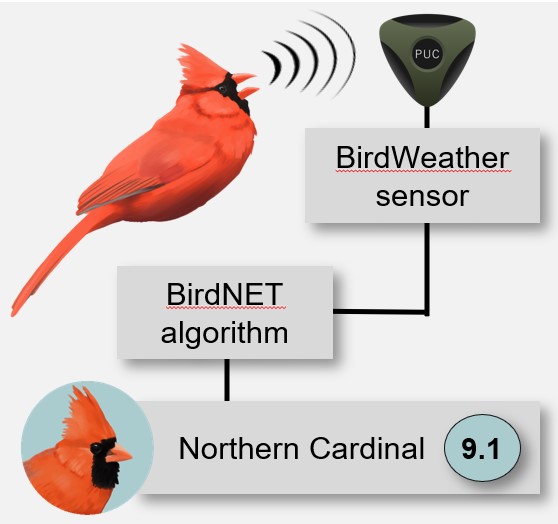
"BirdWeather, which makes sophisticated recording devices with Wi-Fi, GPS and sensors connected to the BirdNET database and its machine learning from the Cornell Lab of Ornithology and the Chemnitz University of Technology. BirdWeather’s dashboard provided a better visualization of what bird species were in the area."


Friday, August 15, 2025

‘Sex reversal’ is surprisingly common in birds, new study suggests. Really!

When AAAS toys with LGBTQ ideology! Did AAAS try to imply or suggest that transgender is normal in nature! Oh look, birds do it too!

First of all, Australia is home to a number of odd animals (e.g. kangaroo). This article is only about 5 species of birds. Only 3-6% of individual birds are affected by "sex reversal". Perhaps, there are yet to be discovered/identified special factors that cause this sex reversal in these five species of birds in Queensland, Australia.

"... But that’s not the case for all bird species. When males and females look pretty much the same, scientists must try harder—often using DNA testing—to separate the sexes. According to a new study of wild Australian birds, these methods may be leading to misidentification in cases where an individual’s gonads and outward appearance don’t align with the genetic sex determined by its chromosomes. As scientists report today in Biology Letters, this phenomenon—known as sex reversal—may be more common than anyone expected. ...

The team was surprised to find sex-reversed individuals in all five species, at rates of 3% to 6%. Nearly all these discordant birds were genetically female but had male reproductive organs. However, the researchers also found a few genetic males with ovaries—including a genetically male kookaburra with a distended oviduct, indicating it had recently laid an egg. ..."

From the abstract:
"The ability to unequivocally identify the sex and reproductive status of individuals is crucial across many fields of study. Recent evidence indicates that avian sex determination is more flexible than once believed, with sex-reversed individuals identified in domestic bird populations—that is, individuals exhibiting gonadal and morphological traits of one sex while possessing the chromosomal make-up of the opposite sex. The presence of these individuals can challenge the reliability of traditional sexing methods that rely solely on external morphology, internal anatomy or genetic markers. These methods, when used in isolation, fail to identify sex-reversed or intersex individuals, potentially overlooking their impact on population dynamics.
In this pioneering study, we investigated the prevalence of sex-reversed individuals in five common free-living avian species in Queensland, Australia. By comparing internal and external morphological characteristics with polymerase chain reaction results from sex-linked molecular markers, we identified sex-reversed individuals in all five species, with rates ranging from 3 to 6%.
Our findings suggest that sex reversal is a common [???] and potentially widespread phenomenon in avian species."

‘Sex reversal’ is surprisingly common in birds, new study suggests | Science | AAAS "Survey of five Australian avians finds numerous discordant individuals, including a genetically male bird that had laid an egg"


Monday, June 02, 2025

Even birds can’t outfly climate change. Really!

That is because birds with their tiny brains are smarter than humans obsessed with the climate change hoax! Birds instinctively know that the so called climate change is normal and nothing to be afraid of!

This study seems absurd! May we call it a piece of junk science! Even the premises of this study (animals "must move poleward") seems ridiculous! These nutty scientists want us to believe that a little warming is dangerous to your well being! 

Caveat: I did not read the study.

"As rising global temperatures alter ecosystems worldwide, animal species usually have two choices: adapt to changing local conditions or flee to a cooler clime. Ecologists have long assumed that the world’s bird species were best equipped to respond to the pressures of climate change simply because they have the option of flying to higher altitudes or towards global poles. ...

The study was funded in part by the E.O. Wilson Biodiversity Foundation in furtherance of the Half-Earth Project."

From the abstract:
"As climate change accelerates [???], many species must move poleward or upslope [???] to conserve their environmental niches and limit their exposure. While such geographic redistributions have been extensively reported, an assessment of species’ success in limiting their exposure to novel conditions is missing.
Here we report on a method to account for biases in tens of millions of species observations and evaluate how 406 bird species native to the United States and Canada have mitigated their environmental niche loss using geographical redistribution. We find that most redistributions have only been partially effective at mitigating exposure to climate change.
Over 20 years, species, on average, have redistributed their summertime ranges by ~0.64° north, averting their expected exposure to warming by ~1.28 °C, which is roughly half the warming they would have experienced if they had remained stationary. Meanwhile, species have only mitigated ~0.47 °C (11% of expected warming) in winter, and nearly all have experienced warming of >2 °C.
Species moving the farthest north and possessing traits associated with dispersal have succeeded most in limiting their niche loss. Species’ historical niches are becoming increasingly mismatched with contemporary climates, even in a highly mobile taxon, raising concerns about the ability of other wildlife to persist in a warmer world."

Even birds can’t outfly climate change | Yale News "While birds are better able than most species to relocate in response to climate change, the environment is changing faster than they can fly, a new Yale study finds."


Fig. 1 Geographic redistributions and niche loss over 20 years of climate change.


Sunday, May 25, 2025

Superb Birds make friends too, 20-year study finds

Amazing stuff! The longer you observe, the more you discover!

"... The only complex "friend-like" relationship seen in vertebrates is known as cooperative breeding, in which two individuals assist in raising the young. Yet, for African starlings, the bonds they form go far beyond mere parenting duties. ...

Now, a new study with 20-years of field data, published in the journal Nature, has discovered that the African superb starling (Lamprotornis superbus) forms mixed-kin groups with anywhere from 7 to 60 members, living similarly to how we humans do. ...

After surveying for over 40 consecutive breeding seasons, researchers were able to decipher the relationship between breeders and helpers.

They found each breeding pair was aided by up to 16 non-breeders, i.e., helpers. This aid even included foraging for the hatchlings and defending the nest from predators. In return, this helped in group augmentation, increasing group size. The adult survival rate of larger starling groups was seen to be higher than that in smaller groups. ..."

From the abstract:
"Identifying the mechanisms that underlie cooperation is fundamental to biology. The most complex form of cooperation in vertebrates occurs in cooperative breeders, in which helpers forego reproduction and assist in raising the young of others, typically relatives. Not all cooperative societies, however, are kin-based—nearly half of all avian and mammalian cooperative breeders form mixed-kin societies, much like those of humans. Kin selection in mixed-kin societies occurs when individuals gain indirect fitness from the preferential helping of relatives, but helpers also frequently assist non-kin, highlighting a potential role for direct fitness in stabilizing cooperative societies.
Here, using a 20-year study of superb starlings (Lamprotornis superbus), we examined how direct and indirect fitness jointly influence helping behaviour. Although we detected kin-biased helping (demonstrating kin selection), non-kin helping was common despite opportunities to aid kin. Unexpectedly, specific pairs maintained long-term reciprocal helping relationships by swapping social roles across their lifetimes—a subtle pattern of reciprocity requiring decades of observation to detect.
Given the frequency of non-kin helping and the occurrence of reciprocal helping among both kin and non-kin, helping behaviour in superb starlings seems to be greatly influenced by direct fitness. However, the relative importance of direct and indirect fitness varied with helpers’ sex and dispersal history. By uncovering a cryptic yet crucial role of long-term reciprocal helping, we suggest that reciprocity may be an underappreciated mechanism promoting the stability of cooperatively breeding societies."

African starlings form complex social bonds beyond family ties


Extended Data Fig. 1: Superb starlings are obligate cooperative breeders, with every breeding pair assisted by up to 16 nonbreeding helpers.


Saturday, May 03, 2025

European Birds (crows) trade vigilance for rest while sleeping by keeping one eye less open

Amazing stuff! My conclusion: Smart birds need less vigilance! 😊

However, the scientists appear to have failed to document or mention where the research subjects ( were taken from or located (e.g. natural habitat, laboratory, urban area). This is quite an omission, so bad an omission that it may qualify as junk science. The researchers only mention "European jackdaws". The official news release by the Max Planck Neuroscience institute also does not mention at all where these "European jackdraws" came from.

I believe, it is critically important to mention where (in which environment) these birds were investigated. For example, I would argue that birds in urban areas may need to be less vigilant because there is an overpopulation of birds and fewer predators.

Caveat: I did read the entire article.

"Birds exhibit two types of non-REM sleep: 
symmetric (both brain hemispheres sleeping deeply) and 
asymmetric (one hemisphere sleeping lightly while the other stays alert). 
van Hasselt et al. investigated how birds balance these sleep modes under increased sleep pressure caused by deprivation.
Using high-density EEG on European jackdaws, researchers found that during heightened sleep need, birds prioritize symmetric sleep over asymmetric sleep, sacrificing vigilance to recover from sleep loss. This trade-off highlights the constraints imposed by the need for deep, restorative sleep on the birds’ ability to remain alert for potential threats."

"Summary:
  • Birds, unlike humans, can sleep deeply with both halves of their brains (symmetrically) or with one half sleeping lighter than the other (asymmetrically).
  • Study of European jackdaws led by an international team of researchers shows that when sleep-deprived, jackdaws were more likely to fall into deep sleep with both brain halves at the expense of keeping one half vigilant – especially early in the night, when the need to recover is greatest.
  • Observing how birds navigate the trade-off between vigilance and sleep may help scientists better understand how sleep loss affects brain function more broadly, including in us.
... When humans sleep, our brains cycle through stages, alternating between rapid eye movement (REM) sleep and non-REM sleep roughly every 90 minutes. Birds go through these same stages, but typically in much shorter bursts – and their sleep patterns are far more flexible than ours. ..."

From the highlights and abstract:
"Highlights
• High-density EEG shows local homeostatic responses to sleep loss in the avian brain
• Theta oscillations occur during non-REM sleep in non-hippocampal brain regions
• Non-REM sleep occurs symmetrically and asymmetrically between the hemispheres
• Asymmetric sleep is sacrificed for symmetric sleep when sleep pressure increases

Summary
Sleep is a dangerous part of an animal’s life. Nonetheless, following sleep loss, mammals and birds sleep longer and deeper, as reflected by increased electroencephalogram (EEG) slow-wave activity (SWA; ≈1–5 Hz spectral power) during non-rapid eye movement (NREM) sleep.
Stimulating a brain region during wakefulness also causes that region to sleep deeper afterwards, indicating that NREM sleep is a local, homeostatically regulated process. 
Birds and some marine mammals can keep one eye open during NREM sleep, a behavior associated with lighter sleep or wakefulness in the hemisphere opposite the open eye—states called asymmetric and unihemispheric NREM sleep, respectively.
Closure of both eyes is associated with symmetric NREM or REM sleep.
Birds rely on asymmetric and unihemispheric sleep to stay safe. However, as sleeping deeply with only one hemisphere at a time increases the time required for both hemispheres to fulfill their need for NREM sleep, increased sleep pressure might cause birds to engage in symmetric sleep at the expense of asymmetric sleep. Using high-density EEG recordings of European jackdaws (Coloeus monedula), we investigated intra- and inter-hemispheric asymmetries during normal sleep and following sleep deprivation (SD). The proportion of asymmetric sleep was lower early in the sleep period and following SD—periods of increased sleep pressure. Our findings demonstrate a trade-off between the benefits of sleep and vigilance and indicate that a bird’s utilization of asymmetric sleep is constrained by temporal dynamics in their need for sleep."

In Other Journals | Science

Too tired to stay alert? A difficult trade-off between sleep and vigilance (original press release) "Sleep-deprived European jackdaws trade vigilance for deep sleep – a strategy that could carry risks in the wild."

Monday, April 14, 2025

Crows demonstrate abstract geometric intuition comparable to humans

Amazing stuff! How smart are crows, we humans wonder since ancient times!

"Humans have an innate sense for geometry. ...

Researchers first had the clever corvids learn to peck at a particular shape, like a [circle], to get a treat. Then they placed that shape amidst four different ones—stars, for instance. When the birds had no trouble spotting the outlier, the team jacked up the difficulty, asking the animals to spot an irregular quadrilateral amongst a sea of squares. Though monkeys previously failed at this test, the birds excelled. ..."

From the abstract:
"The perception of geometric regularity in shapes, a form of elementary Euclidean geometry, is a fundamental mathematical intuition in humans.
We demonstrate this geometric understanding in an animal, the carrion crow. Crows were trained to detect a visually distinct intruder shape among six concurrent arbitrary shapes. The crows were able to immediately apply this intruder concept to quadrilaterals, identifying the one that exhibited differing geometric properties compared to the others in the set.
The crows exhibited a geometric regularity effect, showing better performance with shapes featuring right angles, parallel lines, or symmetry over more irregular shapes. This performance advantage did not require learning. Our findings suggest that geometric intuitions are not specific to humans but are deeply rooted in biological evolution."

ScienceAdviser


Fig. 1. Intruder detection task.


Tuesday, April 08, 2025

The April 2024 solar eclipse’s darkness caused dawn-singing birds starting to produce their dawn chorus

Amazing stuff! Birds get confused too! 😊🐦

"But the eclipse wasn’t just limited to atmospheric findings. Using more than 10,000 observations from citizen scientists and over 100,000 vocalizations, a team of biologists aimed to find out how birds respond when it suddenly gets dark during the day. They found that, while dusk-singing birds did not change their behavior before or during the eclipse, those that sing in the morning were affected. Their early findings, published as a preprint on bioRxiv, revealed that more than half of wild bird species started singing their dawn chorus after the eclipse, as if it were sunrise. The study highlights the sensitivity of animal behavior to light—in a world where artificial light is on the increase."

From the abstract:
"On April 8th 2024, a total solar eclipse disrupted light-dark cycles for North American birds during the lead-up to spring reproduction. Compiling over 10,000 community observations and AI analyses of nearly 100,000 vocalizations, we found that bird behavior was significantly affected by these few minutes of unexpected afternoon darkness. More than half of wild bird species changed their biological rhythms, with many producing a dawn chorus in the aftermath of the eclipse. This natural experiment demonstrates the power of technology-enabled and public science projects to understand our natural world. Further, it underscores the power of light in structuring animal behavior: even when 'night' lasts for just four minutes, robust behavioral changes ensue."

ScienceAdviser


Sunday, January 26, 2025

Songbirds may 'talk' to other bird species of similar kind as they migrate during the night

Amazing stuff!

"A study of thousands of hours of flight calls suggests that songbirds may be forming social connections with other species as they migrate, possibly even exchanging information about the journey. ...

Last year, the co-authors found that birds across northeastern North America “buddy up” with other species at stopover sites during migration. Their new findings suggest that social relationships between songbird species are also important during migratory flights. ..."

"Songbirds, such as warblers, thrushes, orioles and sparrows, tend to migrate at night when the air is calmer, cooler and there are fewer predators lurking about. But the songbird flight paths may not be entirely instinctive, according to new research. Evidence from over 18,300 hours of recorded flight calls suggests songbirds may 'talk' to other species as they migrate, forming social connections and, perhaps, exchanging information about the journey. ..."

From the highlights and abstract:
"Highlights
• Migrating songbirds associate socially with other species during nighttime flights
• Associations are stronger among species with similar calls and flight speeds
• Social information could play an underrecognized role in nocturnal bird migration
Summary
An emerging frontier in ecology explores how organisms integrate social information into movement behavior and the extent to which information exchange occurs across species boundaries.
Most migratory landbirds are thought to undertake nocturnal migratory flights independently, guided by endogenous programs and individual experience.
Little research has addressed the potential for social information exchange aloft during nocturnal migration, but social influences that aid navigation, orientation, or survival could be valuable during high-risk migration periods.
We captured audio of >18,000 h of nocturnal bird migration and used deep learning to extract >175,000 in-flight vocalizations of 27 species of North American landbirds. We used vocalizations to test whether migrating birds distribute non-randomly relative to other species in flight, accounting for migration phenology, geography, and other non-social factors.
We found that migrants engaged in distinct associations with an average of 2.7 ± 1.9 SD other species. Social associations were stronger among species with similar wing morphologies and vocalizations. These results suggest that vocal signals maintain in-flight associations that are structured by flight speed and behavior.
For small-bodied and short-lived bird species, transient social associations could play an important role in migratory decision-making by supplementing endogenous or experiential information sources.
This research provides the first quantitative evidence of interspecific social associations during nocturnal bird migration, supporting recent calls to rethink songbird migration with a social lens. Substantial recent declines in bird populations may diminish the frequency and strength of social associations during migration, with currently unknown consequences for populations."

Songbirds may 'talk' to other species as they migrate

Tuesday, October 29, 2024

Older and grumpier: Aging sparrows have fewer friends

Amazing stuff! But how much is due to effect of natural changes in demography (older ones dying off)?

"... Researchers have tracked every house sparrow on tiny Lundy Island in the U.K. from egg to death since 2000, so they know exactly how old each animal is. From 2013 to 2017, they also collected detailed social data by noting interactions between individuals at video-monitored bird feeders. In all, they tallied more than 1600 observations of 615 different individuals, finding that the number of “friends” (defined as individuals a given bird is often observed with) decreased with age. Not only did old birds lose touch with old friends, they formed fewer new social connections. ..."

From the abstract:
"Humans become more selective with whom they spend their time, and as a result, the social networks of older humans are smaller than those of younger ones. In non-human animals, processes such as competition and opportunity can result in patterns of declining sociality with age. While there is support for declining sociality with age in mammals, evidence from wild bird populations is lacking. Here, we test whether sociality declines with age in a wild, insular bird population, where we know the exact ages of individuals. Using 6 years of sociality data, we find that as birds aged, their degree and betweenness decreased. The number of same-age birds still alive also decreased with age. Our results suggest that a longitudinal change in sociality with age may be, in part, an emergent effect of natural changes in demography. This highlights the need to investigate the changing costs and benefits of sociality across a lifetime."

ScienceAdvisor


Figure 1.
(a) The number of repeated observations of individuals.
(b) The ages of Lundy house sparrows (y-axis, in years) in relation to the percentage of fledged individuals of their own cohort that were still alive (x-axis), 2013−2017.


Tuesday, June 04, 2024

New discovery shows how the transition from scales to feathers happened in dinosaurs

Amazing stuff!

"... Palaeontologists ... have found that some feathered dinosaurs had scaly skin like reptiles. Their results are based on an analysis of a new specimen of the feathered dinosaur Psittacosaurus. ...
There are up to 12 known species of Psittacosaurus – the most of any dinosaur genus. One specimen made waves when it was discovered with preserved filaments on its tail – early feathers. ...
By the time Psittacosaurus came around, many dinosaurs already had feathers. In fact, some palaeontologists suggest that most, if not all, dinosaurs had at least some feathers by the time of the mass extinction event 66 million years ago. ...
A new Psittacosaurus fossil specimen found in northeastern China, dated to between 133 and 120 million years ago, was analysed by the UCC team, along with researchers from Nanjing University in China.
The team used ultraviolet light to identify patches of preserved skin. Further X-ray and infrared analysis revealed spectacular detail of the cell structure of the fossilised skin. ..."

From the abstract:
"Fossil feathers have transformed our understanding of integumentary evolution in vertebrates. The evolution of feathers is associated with novel skin ultrastructures, but the fossil record of these changes is poor and thus the critical transition from scaled to feathered skin is poorly understood. Here we shed light on this issue using preserved skin in the non-avian feathered dinosaur Psittacosaurus. Skin in the non-feathered, scaled torso is three-dimensionally replicated in silica and preserves epidermal layers, corneocytes and melanosomes. The morphology of the preserved stratum corneum is consistent with an original composition rich in corneous beta proteins, rather than (alpha-) keratins as in the feathered skin of birds. The stratum corneum is relatively thin in the ventral torso compared to extant quadrupedal reptiles, reflecting a reduced demand for mechanical protection in an elevated bipedal stance. The distribution of the melanosomes in the fossil skin is consistent with melanin-based colouration in extant crocodilians. Collectively, the fossil evidence supports partitioning of skin development in Psittacosaurus: a reptile-type condition in non-feathered regions and an avian-like condition in feathered regions. Retention of reptile-type skin in non-feathered regions would have ensured essential skin functions during the early, experimental stages of feather evolution."

New discovery shows how the transition from scales to feathers happened in dinosaurs

Fig. 2: Preserved skin of Psittacosaurus (NJUES-10).


Saturday, May 25, 2024

Crows count ‘one, two, three’ out loud

Amazing stuff!

"Carrion crows are known as “feathered apes” for a number of good reasons. And scientists just discovered another: They can count out loud, researchers reported yesterday in Science. The work suggests that the birds understand numbers and counting in the same way humans do, making them the only other species known to have this ability.

One hallmark of human language is our ability to associate and utter a sound, such as a word, with something we see or hear. We might say “three” if we see three apples, for example. Could crows do this as well? To find out, a team worked with three carrion crows trained to produce one to four calls (a kraak) when they saw an Arabic numeral on a screen or heard a short noise. In thousands of trials, the birds usually made the correct number of kraaks required by the visual cue, but often took longer to respond to cues requiring three or four calls. ..."

From the editor's summary and abstract:
"Editor’s summary
Numerical ability has been increasingly identified in nonhuman animals. Animals as diverse as birds and bees have been shown to be able to “count, ” and they can discriminate among different numbers of objects or between greater or fewer objects. Liao et al. tested whether crows, which are known for both their numerical skills and high level of cognition, could use vocalizations to count out loud, a skill that is challenging even for young humans. The crows flexibly produced between one and four vocalizations for corresponding cues associated with numerical values. Furthermore, they used different calls for different numbers. ...
Abstract
Producing a specific number of vocalizations with purpose requires a sophisticated combination of numerical abilities and vocal control. Whether this capacity exists in animals other than humans is yet unknown. We show that crows can flexibly produce variable numbers of one to four vocalizations in response to arbitrary cues associated with numerical values. The acoustic features of the first vocalization of a sequence were predictive of the total number of vocalizations, indicating a planning process. Moreover, the acoustic features of vocal units predicted their order in the sequence and could be used to read out counting errors during vocal production."

Crows count ‘one, two, three’ out loud