Showing posts with label aging. Show all posts

Friday, October 09, 2026

A blind giant tortoise lives and mates to age 194

Amazing stuff! This tortoise also survived European discoverers, explorers and seafarers stopping by at Saint Helena since 1502 AD.

"Current theory suggests that Aldabra tortoises dispersed “out of Africa,” first from the eastern African coast to Madagascar, then to Granitic Seychelles, and lastly to the Aldabra atoll, a UNESCO World Heritage Site now harboring around 100,000 tortoises ..."

"On an island in the South Atlantic Ocean, the world’s oldest known land animal spends his days munching on fresh fruit and veggies, sunbathing, napping, and getting frisky with the other members of his bisexual throuple.

At the ripe age of 194 years old, with an estimated hatching date of 1832, an Aldabra giant tortoise named Jonathan ... Old age has not come without challenges, however. Today, Jonathan is blind from cataracts and has lost his sense of smell. But the years do not appear to have diminished his libido: He still regularly mates with Emma and Frederik, two other, much younger, giant tortoises that reside with him on the island of Saint Helena.

What on Earth is Jonathan’s secret?

To find out, scientists decided to take a look at the old tortoise’s genome, as well as his epigenome—the collection of chemical changes on DNA that act like “on/off” switches for genes. ..."

From the abstract:
"Aldabra giant tortoises (Aldabrachelys gigantea) are exceptionally long-lived. We sequenced the genome and methylome of Jonathan, a 194-year-old Aldabra, to explore the molecular basis of his longevity.
Relative to other giant tortoises (A. gigantea and Chelonoidis abingdonii), Jonathan has unique gene variants in most aging pathways.
Moreover, Jonathan has substantial DNA methylation and methylation entropy changes compared to four other Aldabras ranging in age from a 5-year-old juvenile to older adults.
Notably, we found that lower-entropy regions in Jonathan’s methylome were enriched for the promoters of genes involved in the mitochondrial electron transport chain, and RNA metabolism. This suggests that high-fidelity transcription of the genes in these pathways may be crucial for long-lived species.
Our findings support a model for aging wherein the maintenance of low methylation entropy in gene promoters is coupled to efficient mitochondrial energy production, efficient RNA processing, and efficient genomic repair."

ScienceAdviser


Jonathan, the tortoise


Saturday, October 03, 2026

Inside Xi Jinping’s Demands at the U.S.-China Summit: A Private West Wing Room to Rest

In what physical shape is the Chinese dictator (in power since 2012)? Was it temporary or is it chronic?

The question of succession is becoming more urgent!

"Chinese officials made unusual demands that the U.S. accommodate Xi Jinping’s need for rest during a summit with President Trump, offering a rare glimpse of the 73-year-old leader’s emerging physical limitations, said people familiar with the visit planning.

Chief among the requests was a private room inside the West Wing for Xi to take a break between events, with only his wife, Peng Liyuan, permitted to join him ..."

Exclusive | Inside Xi Jinping’s Demands at the U.S.-China Summit: A Private West Wing Room to Rest - WSJ "Beijing pared back the schedule and insisted on private downtime for China’s 73-year-old leader"

There is also a news video available about this subject:

Saturday, August 29, 2026

Can you slow the aging process? Study reveals which interventions might help

Good news! Again, lifestyle improvements (healthier diet, less stress, more physical exercise and so on) are confirmed to be very strong when it comes to healthy aging and long life. The way one ages is to a large extent a personal choice.

Notice this study is focused on epigenetic aging, which may or may not be a narrow focus of the complex process of aging.

"... Using a new class of DNA-based blood tests, they found that lifestyle interventions and certain drug treatments indeed appear to slow the aging process, while over-the-counter supplements don’t have much effect. ...

For their analysis, the researchers primarily used a type of blood-based biomarker known as epigenetic clocks, which estimate epigenetic or biological age by measuring the pattern of methyl groups (basic chemical structures that act like tags) attached to a person’s DNA.
As people age, these chemical tags change, previous research has shown. Successful anti-aging interventions can reverse the tags. Computer algorithms are then able to use the changes observed in these tags to estimate a person’s epigenetic “age.” ...

The researchers tested four categories of intervention: pharmacological drugs, lifestyle-based changes, over-the-counter supplements, and medical procedures. They found that lifestyle interventions, such as a combination of a healthy diet (whether it’s Mediterranean, low-carb, or low-fat) and exercise, consistently decreased epigenetic age.

Pharmacologic interventions — including metformin and semaglutide, prescription medications used for metabolic control and weight management, and anti-TNF therapies, which use biologic medications to target an immune system protein that triggers harmful inflammation — decreased epigenetic age the most. (TNF, or tumor necrosis factor, is an immune-system protein that helps fight inflammation-related injury.) ..."

From the abstract:
"Aging biomarkers can potentially allow researchers to rapidly monitor the impact of an aging intervention without the need for decade-spanning trials.
However, before the use of aging biomarkers, such as epigenetic clocks, as surrogate endpoints, their responsiveness to interventions that target aging must be tested.
Here we curate TranslAGE, a harmonized database of 51 public and private longitudinal interventional studies, and calculate a consistent set of 16 prominent epigenetic clocks for each study, along with 94 other DNA methylation (DNAm) biomarkers that can help explain the changes observed for each clock.
Using this database, we discover patterns of responsiveness across a variety of interventions and DNAm biomarkers.
For example, clocks trained to predict mortality or pace of aging show the strongest responses across all interventions and show consistent results with one another; 
pharmacological and lifestyle interventions drive the strongest responses from DNAm biomarkers; and the characteristics of the study population and study duration are key factors in determining the responsiveness of DNAm biomarkers to an intervention.
Moreover, clocks with multiple subscores (that is ‘explainable clocks’) provide specificity and greater mechanistic insight into the responsiveness of interventions than single-score clocks.
These findings can help to design future clinical trials by guiding the choice of interventions and of specific subsets of DNAm biomarkers to minimize multiple testing, study duration, study population and sample size, with the eventual aim of uncovering DNAm biomarkers that can be used as surrogate aging endpoints."

Can you slow the aging process? Study reveals which interventions might help | Yale News "A new Yale analysis found that diet, exercise, and some medications can slow the aging process, while over-the-counter supplements appear to have little effect."


Fig. 1: Current paradigms to study the responsiveness of DNAm biomarkers and their limitations.


Fig. 3: Interventions and their effects on 16 prominent DNAm biomarkers.


Saturday, August 01, 2026

RNA editing for stem cell health and longer life

Good news! Behind the secrets of aging!

"Intestinal stem cell function declines with age, and dysregulation of these cells is associated with a shortened lifespan. Zhang et al. found that the RNA-editing enzyme adenosine deaminase acting on RNA (ADAR) restrained intestinal stem cell proliferation in fruit flies, and its abundance decreased with aging and after gut injury.
Loss of ADAR in these cells in young flies caused intestinal hyperproliferation and reduced lifespan, whereas ADAR overexpression in aged flies improved gut function and increased lifespan.
Reductions in colonic ADAR2 were associated with aging in humans and with intestinal regeneration in mice, suggesting that ADAR mediated regulation of intestinal stem cells may be conserved."

From the editor's summary and abstract (a very technical abstract):
"Editor’s summary
Intestinal stem cell (ISC) function declines with age, and ISC dysregulation is associated with shortened life span. 
Zhang et al. found that the RNA editing enzyme ADAR restrained ISC proliferation in fruit flies, and its abundance and activity decreased with aging and after gut injury.
ISC-specific loss of ADAR in young flies caused intestinal hyperproliferation and reduced life span, whereas ADAR overexpression in aged flies improved gut function and increased life span. 
ADAR inhibited proliferative MAPK signaling in ISCs because its RNA editing activity generated a translational repressor of MAPK pathway components. Reductions in colonic ADAR2 and a protein that stabilizes it were associated with aging in humans and with intestinal regeneration in mice, suggesting that ADAR-mediated regulation of ISCs may be conserved. ...

Abstract
Aging impairs intestinal stem cell (ISC) function, disrupting epithelial homeostasis and regenerative repair.
Loss of ISC quiescence promotes intestinal dysfunction and contributes to organismal aging.
Here, we report an epitranscriptomic mechanism through which a decrease in adenosine-to-inosine (A-to-I) RNA editing by the adenosine deaminase ADAR in ISCs during aging disrupts a conserved signaling axis that maintains ISC quiescence. 
In Drosophila melanogaster, ISC-specific loss of dADAR triggered hyperproliferation and tissue aging, whereas dADAR overexpression reduced age-related gut dysfunction and extended life span.
Intestinal injury induced a decrease in dADAR, which was necessary for tissue regeneration, and in the zinc finger protein dZn72D, which stabilized dADAR to support intestinal homeostasis during aging. dADAR edited transcripts encoding the RNA binding protein Pumilio (dPUM) to generate an isoform that inhibited translation of two components of the mitogen-activated protein kinase (MAPK), dEGFR and dERK, thereby maintaining ISC quiescence.
The abundance of ADAR2 and of the dZn72D ortholog ZFR decreased in human colonic crypts with aging and in mouse colon after injury, suggesting that attenuation of ADAR activity may play a conserved role in ISC aging and in facilitating colonic regeneration.
Our work identifies a conserved mechanism of epitranscriptomic regulation that safeguards tissues and the decay of ADAR-mediated RNA editing as a form of age-related epigenetic information loss that disrupts ISC homeostasis."

In Science Journals | Science


Fig. 1. A-to-I RNA editing in ISCs declines during aging.


Fig. 2. dADAR inhibits ISC proliferation in a cell-autonomous manner.


Fig. 4. dADAR loss drives gut aging and reduces life span in Drosophila.


Fig. 6. dADAR maintains ISC quiescence by inhibiting the MAPK signaling pathway.


Tuesday, July 28, 2026

Restricted daily eating windows improve cognitive skills in older women

Good news! Not only in older women! I can tell from my own experience that occasional fasting or restricting eating during the day helps.

"Restricted eating windows could be linked to a reduced dementia risk, per a new pilot study presented at the American Society for Nutrition’s annual meeting, which found that cognitive skills were improved in older women who restricted their eating to an 8–9-hour window and avoided eating four hours before bed, compared with participants who spread their meals across ~12 hours. ..."

"Eating within a shorter daily window may help protect certain thinking skills as people age. In a small six-month trial, older women who limited eating to about 8 to 9 hours a day performed better on planning and problem-solving tests than those who ate over 12 hours. Both groups lost similar amounts of weight, hinting that when people eat could matter in addition to how much they eat."

From the abstract:
"Objectives: 
Circadian rhythms coordinate physiological processes with environmental cues such as meal timing and the light-dark cycle.
Most Americans consume food over prolonged periods ( >12 h/d).
Time-restricted eating (TRE) shortens the eating window and influences circadian biology that can improve cognitive performance. However, weight loss itself also improves cognition, and studies examining TRE with caloric restriction (CR) remain limited. We examined the effects of TRE+CR versus CR on cognition in postmenopausal women.

Methods:
In this trial, women (BMI ≥25 kg/m2, 50-79 years old) were randomized to six months of TRE+CR (n=26) or CR (n=21). Groups were counseled to reduce calorie intake (-500 kcal/d), and TRE+CR self-selected a ≤ 9-hour eating window, while CR maintained their eating window.
Baseline National Adult Reading Test (NART) was used to estimate premorbid levels of intelligence. The Pittsburg Sleep Quality Index (PSQI) questionnaire and Cambridge Neuropsychological Battery of Tests (CANTAB) were administered at weeks 0 and 24.
CANTAB tests included memory and learning (Paired Associate Learning; PAL), executive function (Stockings of Cambridge; SOC; and Multitasking Test) and reaction time (RTI).

Results:
The women (61±5 years, 72% white, 33±4 kg/m2) had an eating window of 12.3±0.9 h/d, which was reduced with TRE+CR (8.2±0.7 h/d), and maintained in the CR group (12.6±0.8 h/d) (p< 0.001).
Mean NART error score (13.8±5.5) was within an expected range. Global PSQI score was unchanged after 6 months and did not differ between groups. There were similar reductions in body weight (-7.5±4.6 vs -6.1±5.4 kg) after 6 months.
Spatial planning and problem-solving (SOC) improved over time with TRE (p< 0.05), but not CR and differed between groups (p< 0.05).
Total errors during the PAL test decreased over time with TRE (p< 0.01), but not CR although the changes between groups were not significant. The multitasking test and RTI were not changed by the intervention.
Reductions in the eating window predicted greater improvement in SOC (p< 0.01) and PAL (p< 0.05) after adjusting for relevant covariates.

Conclusions:
TRE improved memory, learning, and problem-solving tests, independent of weight loss. Additional mechanistic analyses are warranted to explain these findings."
 
Global Health NOW: Hope and Headwinds in the HIV Fight; and Unlocking the Medical Potential of Menstrual Blood

Eating within 8 hours may help keep the aging brain sharp "Eating within a shorter daily window may give the aging brain a modest boost beyond weight loss alone."

Friday, May 29, 2026

Unprecedented view inside live stem cells reveals aging process and loss of regenerative capacity

Amazing stuff!

"Scientists have developed a powerful new technique that allows them to observe how individual cells manufacture proteins during aging, offering an unprecedented glimpse into the hidden molecular activity of stem cells in living tissue. ...

What scientists saw was the intricate choreography within stem cells and how those molecular dance steps slow and change with age. The team of Swiss scientists has concluded that the process of aging reshapes how skin stem cells manufacture proteins. ..."

From the highlights and abstract:
"Highlights
• In vivo single-cell ribosome profiling monitors tissue-wide translational landscapes
• RNase I-generated footprints reveal robust triplet periodicity in vivo
• Tissue-wide mapping of translational efficiencies across epidermal cell types
• Aging drives selective translational induction of AP-1 subunits in stem cells

Summary
Somatic stem cells are characterized by their low overall protein-synthesis rates, a feature implicated in driving their stemness. However, how aging reshapes the translational landscape of stem cells remains poorly understood.
Here, we present an in vivo single-cell ribosome profiling strategy to monitor tissue-wide translational landscapes of the epidermis during aging.
By implementing ribosomal elongation-inhibited cell isolation and switching to RNase I, we expand the applicability of single-cell ribosome profiling to in vivo systems and facilitate the evaluation of triplet periodicity, a hallmark of high-quality data.
Leveraging this strategy, we document the in vivo translational landscapes of the major epidermal cell types, outline cell-type-specific translational efficiencies, and identify a pronounced translational reprogramming of AP-1 subunits specifically in aged epidermal stem cells. Our study illustrates the power of in vivo single-cell ribosome profiling to map cell-type-specific translational programs and offers a scalable strategy for tissue-wide interrogation of translational landscapes."

Unprecedented view inside live stem cells reveals aging process and loss of regenerative capacity


Graphical abstract


Saturday, April 18, 2026

A nasal spray reversed brain aging and inflammation in just two doses

Good news! This could be a breakthrough!

"A nasal spray reversed brain aging and inflammation in just two doses, restoring memory and cognitive sharpness, in a Texas A&M study of mice that researchers say could reshape treatment for dementia."

"Summary: For decades, “neuroinflammaging”, the slow-burning inflammation that causes brain fog and memory decline, was considered an unavoidable part of getting older. However, a landmark study suggests the clock can be turned back.

Researchers developed a non-invasive nasal spray that uses microscopic “delivery parcels” to travel directly into the brain. With just two doses, the therapy dramatically reduced chronic inflammation, recharged cellular “power plants” (mitochondria), and restored memory and cognitive sharpness in aging models.

Key Facts

  • Rapid & Lasting Results: Significant cognitive improvements were observed within weeks and, remarkably, persisted for months after only two doses.
  • Universal Efficacy: Unlike many medical studies that show varying results by sex, this therapy proved equally effective in both males and females.
  • Behavioral Recovery: Treated models showed a restored ability to recognize familiar objects and adapt to changes in their environment—key indicators of a healthy, functioning memory center.
..."

From the abstract:
"Neuroinflammaging, a moderate, chronic, and sterile inflammation in the hippocampus, contributes to age-related cognitive decline.
Neuroinflammaging comprises the activation of the nucleotide-binding domain, leucine-rich repeat family, and pyrin domain-containing 3 (NLRP3) inflammasomes, and the cyclic GMP-AMP synthase (cGAS)-stimulator of interferon genes (STING) pathway that triggers type 1 interferon (IFN-1) signalling.
Studies have shown that extracellular vesicles from human induced pluripotent stem cell-derived neural stem cells (hiPSC-NSC-EVs) contain therapeutic miRNAs that can alleviate neuroinflammation.
Therefore, this study examined the effects of late middle-aged (18-month-old) male and female C57BL6/J mice receiving two intranasal doses of hiPSC-NSC-EVs on neuroinflammaging in the hippocampus at 20.5 months of age. Compared with animals receiving vehicle treatment, the hippocampus of animals receiving hiPSC-NSC-EVs exhibited reductions in astrocyte hypertrophy, microglial clusters, and oxidative stress, along with elevated expression of antioxidant proteins and genes that maintain mitochondrial respiratory chain integrity.
Moreover, hiPSC-NSC-EVs therapy decreased the levels of various proteins involved in the activation of the NLRP3 inflammasome, p38/mitogen-activated protein kinase, cGAS-STING-IFN-1, and Janus kinase and signal transducer and activator of transcription signalling pathways.
Furthermore, in vitro assays using genetically engineered RAW cells and hiPSC-NSC-EVs, with or without targeted depletion of specific miRNAs, demonstrated that miRNA-30e-3p and miRNA-181a-5p, both present in hiPSC-NSC-EVs, can significantly inhibit the activation of the NLRP3 inflammasome and the STING pathway, respectively. Additionally, single-cell RNA sequencing conducted 7 days post-treatment revealed that hiPSC-NSC-EVs induce widespread transcriptomic changes in microglia, including increased expression of numerous genes that enhance oxidative phosphorylation and reduced expression of abundant genes that drive multiple proinflammatory signalling pathways.
These changes mediated by hiPSC-NSC-EVs were also associated with improved cognitive and memory function.
Thus, intranasal hiPSC-NSC-EVs therapy in late middle age can effectively diminish proinflammatory microglial transcriptome and signalling cascades that drive neuroinflammaging in the hippocampus, contributing to better brain function in old age."

Wednesday, April 15, 2026 - Join The Flyover


Scientists reverse brain aging, with a nasal spray (original news release) "New therapy is turning back the clock in aging brains, healing inflammation, restoring memory and reshaping the future of brain age-related therapies."


Fig. 2 Intranasal administration of extracellular vesicles from human induced pluripotent stem cell-derived neural stem cells (hiPSC-NSC-EVs) to late middle-aged mice reduced hypertrophy of astrocytes and microglial clusters.


Friday, April 17, 2026

A hidden army of zombie immune cells may drive fatty liver disease, inflammation and aging

Good news! This could be a breakthrough!

"... researchers have identified a rogue population of immune cells that quietly accumulates in aging tissues and in the livers of people with fatty liver disease.
Clearing these cells, they found, dramatically reduced inflammation and reversed liver damage in mice—even while the animals remained on an unhealthy diet. ..."

"Key takeaways
  • UCLA researchers have identified a population of dysfunctional immune cells — dubbed “zombie macrophages” — that accumulates in the liver during aging and fatty liver disease, driving the chronic inflammation behind both conditions. 
  • The study found that excess dietary cholesterol, not just aging alone, can push these immune cells into a permanently inflamed state, suggesting that high-cholesterol diets may accelerate biological aging at the cellular level. 
  • Treating mice with a drug that selectively clears these cells reversed fatty liver disease and reduced inflammation — even without any change in diet — pointing to a potential new therapeutic strategy for a condition affecting an estimated 30-40% of Los Angeles residents.
...
For years, scientists debated whether macrophages — the large immune cells that patrol every tissue in the body, engulfing debris, pathogens and dying cells — could truly become senescent. The prevailing view was that they could not. Part of the confusion stemmed from biology: macrophages naturally display some molecular markers of senescence even when healthy, making it hard to tell a genuinely dysfunctional cell from one simply doing its job.

The UCLA team resolved this by identifying a molecular signature — two proteins, p21 and TREM2, whose combination reliably flags macrophages that are genuinely senescent: no longer functional, but persistently inflaming their surrounding tissue. 

Using this signature, the researchers found that the proportion of senescent macrophages in the liver surges from roughly 5% in young mice to nearly 60-80% in old ones, closely tracking with the rise of chronic liver inflammation during normal aging. But aging, it turns out, isn’t the only trigger. ...

"

From the abstract:
"Cellular senescence drives chronic sterile inflammation during aging via the senescence-associated secretory phenotype, yet the senescent cell types responsible are poorly defined.
Macrophages share multiple features of senescence, including inflammatory secretion, yet whether macrophages can adopt a senescent state remains unclear. Here we identify p21⁺Trem2⁺ senescent macrophages as a major source of inflammaging, using primary mouse and human macrophage models of DNA damage and cholesterol-induced senescence characterized by multi-omic profiling. We found that senescent macrophages exhibit a distinctive p21-TREM2 expression profile and senescence-associated secretory phenotype, driven in part by type I interferon signaling via cytosolic mitochondrial DNA.
We also found that senescent macrophage accumulation occurs in aging, metabolic dysfunction-associated steatotic liver disease mouse livers, and is enriched in human cirrhotic liver tissue.
Finally, senolytic treatment targeting senescent macrophages reduced liver inflammation and steatosis in both aged mice and mice with metabolic dysfunction-associated steatotic liver disease.
These findings establish macrophage senescence as a central driver of chronic inflammation in aging and metabolic liver disease, and a tractable therapeutic target."

A hidden army of zombie immune cells may drive fatty liver disease, inflammation and aging


Microscopy image showing senescent macrophages in red and cholesterol-laden lipid droplets – a key driver of senescence – in green.


Fig. 3: Senescent p21+ macrophages accumulate in aged metabolic tissues.


Monday, April 06, 2026

Scientists Map Aging Across the Body of a Short-Lived Fish

Amazing stuff!

"Studying aging takes time. That’s why neuroscientists studying how brains age turn to thumb-sized fish called killifish. Within just four to six months, the fish hatch, grow to maturity, spawn and die. Their compressed lifespan has made the fish a favorite for research on this inevitable process.

Now, a team ... has created a comprehensive atlas of aging in killifish. By sequencing gene activity across 12 tissues at six life stages in male and female fish, they have documented progressive molecular changes in detail as they unfold across the fish’s body. ...

In humans, immune cells are produced in the bone marrow. In fish, that role falls to the front portion of the kidney. By examining gene activity in this organ, the researchers found a pattern reminiscent of what has been observed in aging mammals, including humans. Markers associated with B and T cells, the immune system’s precision defenders, declined with age. Meanwhile, evidence of immune cells that participate in broader inflammatory responses increased.

Interestingly, this shift was much more pronounced in females than in males. ..."

From the abstract:
"Aging is associated with progressive tissue dysfunction, leading to frailty and mortality. Characterizing aging features, such as changes in gene expression and dynamics, shared across tissues or specific to each tissue, is crucial for understanding systemic and local factors contributing to the aging process.
We performed RNA sequencing on 13 tissues at six different ages in male and female African turquoise killifish, the shortest-lived vertebrate that can be raised in captivity.
This comprehensive, sex-balanced ‘atlas’ dataset revealed varying strength of sex–age interactions across killifish tissues and age-altered genes and biological pathways that are evolutionarily conserved in mice and humans.
We discovered a female-biased myeloid shift with age in the killifish hematopoietic organ, developed tissue-specific ‘transcriptomic clocks’ and identified biomarkers predictive of chronological age.
We showed the importance of sex-specific clocks for selected tissues, validated the tissue clocks with an independent transcriptomic dataset and used them to evaluate different lifespan interventions in the killifish.
Our work provides a comprehensive resource for studying aging dynamics across tissues in the killifish, a powerful vertebrate aging model."

Scientists Map Aging Across the Body of a Short-Lived Fish "A new atlas of aging in the killifish tracks how organs change over time, revealing processes implicated in Alzheimer’s and Parkinson’s diseases. The study also creates AI-driven tools for predicting the biological age of different tissues."


Fig. 1: A multi-tissue killifish transcriptomic aging atlas reveals shared and tissue-specific age effects on different tissues.


Friday, March 13, 2026

Watching a lifetime of a small vertebrate reveals the process of aging

Amazing stuff!

"In brief
  • Stanford researchers studied African killifish to explore links between behavior and aging, revealing varied aging paths in similar environments.
  • Findings show early behavioral differences, like sleep patterns, can predict lifespan potential in individuals, suggesting insights for human aging.
  • The study’s implications extend to developing interventions for healthier aging, leveraging technology to track behavioral changes in real-time.
By midlife, an animal’s everyday behaviors can signal how long it is likely to live. ...

One of the team’s most surprising findings was how early individual aging paths begin to diverge. After following each fish through its entire lifespan, the researchers grouped animals based on how long they ultimately lived and then looked back to see when behavioral differences first emerged. They found that by early midlife (70 to 100 days of age), fish that would go on to live shorter or longer lives were already behaving differently. ...

Aging unfolds in steps [stages?]

The team’s observations also revealed that aging – in killifish, at least – does not progress as a smooth, gradual drift. Most of the fish underwent two to six rapid behavioral transitions, each lasting just a few days, followed by longer, stable stages that lasted weeks. Importantly, fish tended to progress through these stages in sequence, rather than switching back and forth between them. ...

The African turquoise killifish made that question experimentally possible. With a typical lifespan of just four to eight months, it is one of the shortest-lived vertebrates studied in the lab, yet it shares key biological features with longer-lived species like humans, including a complex brain. ..."

From the abstract:
"Mapping behavior of individual vertebrate animals across lifespan is challenging, but if achieved, could provide an unprecedented view into the life-long process of aging.
We created the first platform for high-resolution continuous behavioral tracking of a vertebrate animal across natural lifespan from adolescence to death—here, of the African killifish. This behavioral screen revealed that animals follow distinct individual aging trajectories.
The behaviors of long-lived animals differed markedly from those of short-lived animals, even relatively early in life, and were linked to organ-specific transcriptomic shifts.
Machine learning models accurately predicted age and even forecasted an individual’s future lifespan, given only behavior at a young age. Finally, we found that animals progressed through adulthood in a sequence of stable and stereotyped behavioral stages with abrupt transitions suggesting a novel structure for the architecture of vertebrate aging."

Watching a lifetime in motion reveals the architecture of aging | Stanford Report "Scientists tracking the entire life of the African turquoise killifish have discovered that behavior alone can predict whether an animal will live a long or short life."


Fig. 1 System enables continuous behavioral tracking from adolescence to death.


Wednesday, February 04, 2026

Aging slows breakdown of synaptic proteins, raising disease risk

Recommendable!

"In brief
  • A new study reveals mechanisms linking synapse loss to cognitive decline and dementia in aging brains, highlighting critical changes during this process.
  • Researchers found that aging slows the breakdown of synaptic proteins, leading to accumulation that may contribute to diseases like Alzheimer’s.
  • Stanford’s innovative tagging method could enable tracking of neuronal proteins, facilitating the identification of new biomarkers for assessing brain health.
...

Now, researchers ... have discovered clues that may tie synapse loss to another hallmark of brain aging: the declining ability of brain cells to break down and recycle damaged proteins. ...

that synaptic proteins are particularly susceptible to this age-related garbage-disposal problem: In old age, synaptic proteins break down much more slowly, they become more likely to pile up into the tangled clumps of protein characteristic of neurodegenerative disease, and they are more likely to make their way into microglia, immune cells that prune away damaged synapses. ..."

From the abstract:
"Neurodegenerative diseases affect 1 in 12 people globally and remain incurable. Central to their pathogenesis is a loss of neuronal protein maintenance and the accumulation of protein aggregates with ageing.
Here we engineered bioorthogonal tools that enabled us to tag the nascent neuronal proteome and study its turnover with ageing, its propensity to aggregate and its interaction with microglia.
We show that neuronal protein half-life approximately doubles on average between 4-month-old and 24-month-old mice, with the stability of individual proteins differing among brain regions.
Furthermore, we describe the aged neuronal 'aggregome', which encompasses 1,726 proteins, nearly half of which show reduced degradation with age. The aggregome includes well-known proteins linked to diseases and numerous proteins previously not associated with neurodegeneration.
Notably, we demonstrate that neuronal proteins accumulate in aged microglia, with 54% also displaying reduced degradation and/or aggregation with age. Among these proteins, synaptic proteins are highly enriched, which suggests that there is a cascade of events that emerge from impaired synaptic protein turnover and aggregation to the disposal of these proteins, possibly through microglial engulfment of synapses. These findings reveal the substantial loss of neuronal proteome maintenance with ageing, which could be causal for age-related synapse loss and cognitive decline."

Aging slows breakdown of synaptic proteins, raising disease risk | Stanford Report "Recent research unveils new links between the brain’s waste management systems and neurodegeneration. The findings may provide insights for early disease identification."


Images of mouse brain cells, with neurons in red and protein aggregates in green. Those protein aggregates are far more likely to form in older mice (right) compared with younger mice (left), which may contribute to slower breakdown of damaged proteins.


Friday, January 16, 2026

Five healthy habits for maintaining independence in your 60s and 70s

Recommendable!

Almost daily exercise is required!

Notice, perhaps the second most important is very frequent balance training.

I don't think solving crossword puzzles is a good mental exercise! Learning new things is probably much better. Or writing daily blog posts like me! 😊

"...
1. Strength and power training to stay independent ...
2. Balance and gait training for fall prevention ...
3. Optimize nutrition as you age ... we need more protein and nutrients even if we’re eating fewer total calories. ...
4. Keep your brain sharp with cognitive and social habits ...
Mental stimulation through activities like crossword puzzles ...
5. Prioritize preventive care and monitoring ..."

Five healthy habits for maintaining independence in your 60s and 70s | Stanford Report

Monday, January 12, 2026

Doctor reveals two simple tests that predict how well you’ll age

Recommendable! I am also a strong believer that balancing exercises are very important as you age like standing on one leg and stretching your other leg etc.

Wednesday, January 07, 2026

Extracellular vesicles may hold a cure for cell aging

Good news! Closing in on the fountain of youth!

"... there’s a powerful new way to slow or even halt that deterioration, and it lies inside extracellular vesicles. Those are tiny, membranous particles, ranging from 10 microns down to 20 nanometers, that exit cells and dwell in the spaces among them.

In their ... paper “Embryonic stem cell-derived extracellular vesicles delay cellular senescence by inhibiting oxidative stress,” ... explore how extracellular vesicles from embryonic stem cells can protect other cells from oxidative stress. ..."

From the abstract:
"The accumulation of cells that permanently exit the cell cycle and undergo senescence is a hallmark of aging and predisposes organisms to disease.
Emerging evidence suggests extracellular vesicles (EVs) released by pluripotent embryonic stem cells (ESCs) possess therapeutic/regenerative properties with the potential to significantly impact cellular senescence and aging-related disorders. However, the critical next step for taking advantage of the potential benefits offered by ESC-derived EVs will be to unravel the molecular mechanisms responsible for their unique functional effects, which thus far have not been fully defined.
Toward that goal, we now identify a signaling pathway essential for EVs shed by ESCs to potently block fibroblasts and astrocytes from undergoing senescence.
It starts with the extracellular matrix protein fibronectin that coats the surfaces of EVs, enabling the vesicles to bind integrins on cells and trigger the activation of FAK and AKT. This leads to the inhibition of GSK3β activity and stabilization of the transcription factor Nrf2, which counteracts the effects of oxidative stress that would otherwise drive cellular senescence.
These findings define a signaling pathway used by ESC-derived EVs to extend cellular lifespan, highlighting their potential application in anti-aging strategies."

Extracellular vesicles may hold cure for cell aging


Figure 8 Diagram showing how EVs produced by pluripotent ESCs delay cellular senescence. The MVs and exosomes produced by ESCs are coated with fibronectin, which can engage and activate integrins expressed in target cells. This results in the activation of a signaling pathway that inhibits GSK3β, increases the stability of Nrf2, and suppresses the accumulation of ROS that would otherwise trigger cells to undergo senescence.


Friday, December 19, 2025

New study suggests a way to rejuvenate the immune system via mRNA

Good news!

"As people age, their immune system function declines. T cell populations become smaller and can’t react to pathogens as quickly, making people more susceptible to a variety of infections.

To try to overcome that decline, researchers ... have found a way to temporarily program cells in the liver to improve T-cell function. This reprogramming can compensate for the age-related decline of the thymus, where T cell maturation normally occurs.

Using mRNA to deliver three key factors that usually promote T-cell survival, the researchers were able to rejuvenate the immune systems of mice. Aged mice that received the treatment showed much larger and more diverse T cell populations in response to vaccination, and they also responded better to cancer immunotherapy treatments. ..."

From the abstract:
"Ageing erodes human immunity, in part by reshaping the T cell repertoire, leading to increased vulnerability to infection, malignancy and vaccine failure. Attempts to rejuvenate immune function have yielded only modest results and are limited by toxicity or lack of clinical feasibility. Here we show that the liver can be transiently repurposed to restore age-diminished immune cues and improve T cell function in aged mice.
These immune cues were found by performing multi-omic mapping across central and peripheral niches in young and aged animals, leading to the identification of Notch and Fms-like tyrosine kinase 3 ligand (FLT3L) pathways, together with interleukin-7 (IL-7) signalling, as declining with age.
Delivery of mRNAs encoding Delta-like ligand 1 (DLL1), FLT3L and IL-7 to hepatocytes expanded common lymphoid progenitors, boosted de novo thymopoiesis without affecting haematopoietic stem cell (HSC) composition, and replenished T cells while enhancing dendritic cell abundance and function.
Treatment with these mRNAs improved peptide vaccine responses and restored antitumour immunity in aged mice by increasing tumour-specific CD8+ infiltration and clonal diversity and synergizing with immune checkpoint blockade.
These effects were reversible after dosing ceased and did not breach self-tolerance, in contrast to the inflammatory and autoimmune liabilities of recombinant cytokine treatments.
These findings underscore the promise of mRNA-based strategies for systemic immune modulation and highlight the potential of interventions aimed at preserving immune resilience in ageing populations.
"

New study suggests a way to rejuvenate the immune system | Broad Institute "Stimulating the liver to produce some of the signals of the thymus can reverse age-related declines in T-cell populations and enhance response to vaccination."


Fig. 1: Hepatic reconstitution of declining T cell signalling factors to restore immune signalling in ageing.


Friday, December 05, 2025

How the Brain Protects Itself from Alzheimer’s Disease

Good news!

"Key points
  • High levels of calcium are toxic to cells and contribute to loss of neurons in Alzheimer’s disease.
  • Researchers found that a protein that protects cells from elevated calcium declines with age.
  • Treatments that target the protein might help prevent neurodegeneration.
...

Glyoxalase 1 (GLO1) is a protein that plays an essential role in getting rid of toxic byproducts in cells. In the study, ... researchers discovered elevated GLO1 levels in the brains of animals with excessive levels of cellular calcium, finding that the brain increased GLO1 expression as a protective mechanism to mitigate the effects of the calcium dysregulation.

However, with advancing age, GLO1 activity declined, the researchers found, which may make the brain less resilient to neurodegeneration. The study could inform the development of therapeutics that target GLO1 and prevent neurodegeneration. ..."

From the abstract:
"Alzheimer disease (AD) is characterized by plaques and tangles, including calcium dysregulation and glycated products produced by reactive carbonyl compounds. AD brains have increased glyoxalase I (GLO1), a major scavenger of inflammatory carbonyl compounds, at early, but not later, stages of disease. Calcium dysregulation includes calcium leak from phosphorylated ryanodine receptor 2 (pS2808-RyR2), seen in aged macaques and AD mouse models, but the downstream consequences of calcium leak remain unclear.
Here, we show that chronic calcium leak is associated with increased GLO1 expression and activity.
In macaques, we found age-related increases in GLO1 expression in the prefrontal cortex (PFC), correlating with pS2808-RyR2, and localized to dendrites and astrocytes. To examine the relationship between GLO1 and RyR2, we used S2808D-RyR2 mutant mice exhibiting chronic calcium leak through RyR2, and found increased GLO1 expression and activity in the PFC and hippocampus as early as 1 month and as late as 21 months of age, with a bell-shaped aging curve. These aged S2808D-RyR2 mice demonstrated impaired working memory. As with macaques, GLO1 was expressed in astrocytes and neurons.
Proteomics data generated from S2808D-RyR2 synaptosomes confirmed GLO1 upregulation. Altogether, these data suggest potential association between GLO1 and chronic calcium leak, providing resilience in early stages of aging."

How the Brain Protects Itself from Alzheimer’s Disease | Yale School of Medicine


Fig. 1 GLO1 expression increases with age and correlates with p-S2808-RyR2 in the rhesus macaque brain.


Wednesday, November 26, 2025

Adolescence lasts into 30s, new study shows

Recommendable! I already blogged here about this study today.

The human brain goes through five distinct phases and four major turning points during lifetime

Amazing stuff! What about age 100 and older? 😊

"Your brain goes through five distinct phases with pivotal turning points at ages 9, 32, 66, and 83, with researchers finding adolescence actually lasts until your early thirties."

"... The brain goes through five distinct phases in life, with key turning points at ages nine, 32, 66 and 83, scientists have revealed.

Around 4,000 people up to the age of 90 had scans to reveal the connections between their brain cells.

Researchers at the University of Cambridge showed that the brain stays in the adolescent phase until our early thirties when we "peak". ..."

"Neuroscientists at the University of Cambridge have identified five “major epochs” of brain structure over the course of a human life, as our brains rewire to support different ways of thinking while we grow, mature, and ultimately decline.  ..."

From the abstract:
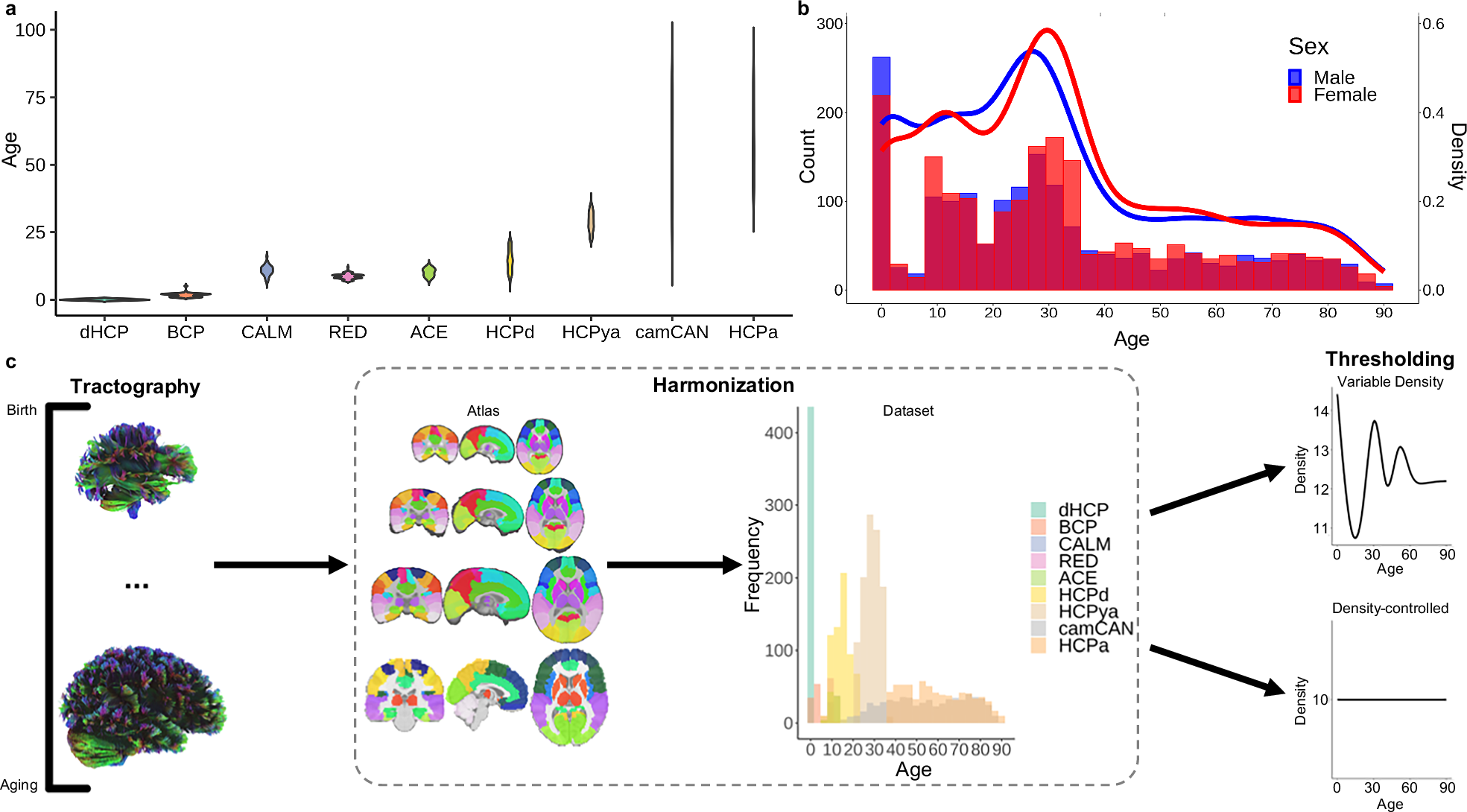
"Structural topology develops non-linearly across the lifespan and is strongly related to cognitive trajectories. We gathered diffusion imaging from datasets with a collective age range of zero to 90 years old (N = 4,216).
We analyzed how 12 graph theory metrics of organization change with age and projected these data into manifold spaces using Uniform Manifold Projection and Approximation.
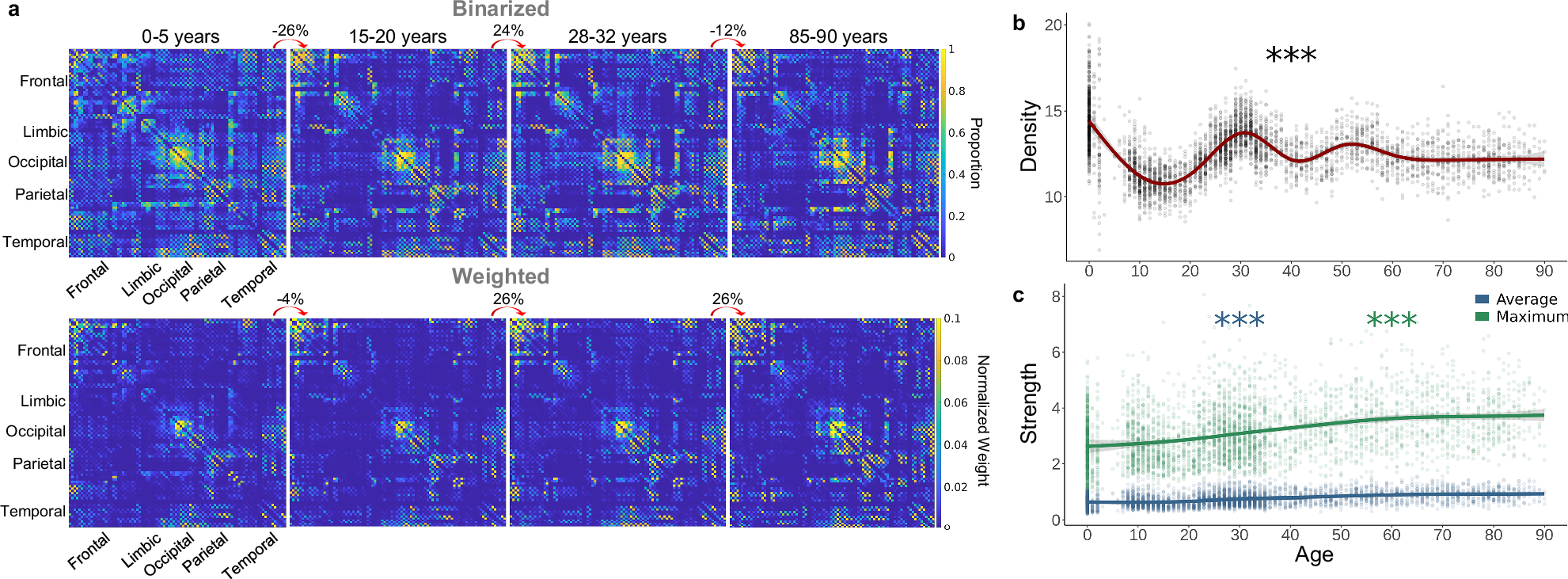
With these manifolds, we identified four major topological turning points across the lifespan – around nine, 32, 66, and 83 years old. These ages defined five major epochs of topological development, each with distinctive age-related changes in topology.
These lifespan epochs each have a distinct direction of topological development and specific changes in the organizational properties driving the age-topology relationship. This study underscores the complex, non-linear nature of human development, with unique phases of topological maturation, which can only be illuminated with a multivariate, lifespan, population-level perspective."

Wednesday, November 26, 2025 - Join The Flyover


Fig. 1: Datasets demographics, methods schematic, and network connectivity.


Fig. 2: Changes in total network connectivity across the lifespan.


Thursday, November 20, 2025

How age affects vaccine responses and how to make them better

Good news!

"... In the largest study of its kind, published in Nature, scientists discovered that our T cells—key players in coordinating immune responses—undergo profound and specific changes as we age. These changes, far from being random or a byproduct of chronic disease and inflammation, are a fundamental feature of healthy aging and will happen to all of us as we get older. ..."

From the abstract:
"The generation and maintenance of immunity is a dynamic process that is dependent on age Here, to better understand its progression, we profiled peripheral immunity in more than 300 healthy adults (25 to 90 years of age) using single-cell RNA sequencing, proteomics and flow cytometry, following 96 adults longitudinally across 2 years with seasonal influenza vaccination.
The resulting resource generated a single-cell RNA-sequencing dataset of more than 16 million peripheral blood mononuclear cells with 71 immune cell subsets from our Human Immune Health Atlas and enabled us to interrogate how immune cell composition and states shift with age, chronic viral infection and vaccination. From these data, we demonstrate robust, non-linear transcriptional reprogramming in T cell subsets with age that is not driven by systemic inflammation or chronic cytomegalovirus infection.
This age-related reprogramming led to a functional T helper 2 (TH2) cell bias in memory T cells that is linked to dysregulated B cell responses against highly boosted antigens in influenza vaccines.
Collectively, this study reveals unique features of the immune ageing process that occur prior to advanced age and provides novel targets for age-related immune modulation. We provide interactive tools for exploring this extensive human immune health resource at https://apps.allenimmunology.org/aifi/insights/dynamics-imm-health-age/."

How age affects vaccine responses and how to make them better - Allen Institute "Age-related shifts in T cells weaken vaccine response in older adults, but new findings pave the way for next generation of vaccines"


Fig. 1: Maintenance of age-related changes in the healthy human immune cell transcriptome over time.