Showing posts with label mood disorder. Show all posts

Thursday, July 23, 2026

A step towards psychedelics with none of the undesirable side effects/symptoms

Good news! Amazing stuff!

"Psychedelic drugs hold great promise for treating mental health conditions like depression and anxiety. But beyond their otherworldly hallucinogenic manifestations, many of these drugs also come with all-too-familiar side effects like nausea, vomiting, and gastrointestinal discomfort.
This occurs because the psychedelic compounds activate several off-target pathways as well as the intended serotonin receptors in the brain.
Reducing these unwanted interactions and the unpleasant symptoms that come with them is an important step for demonstrating the safety of psychedelics.

In a new study ... researchers pushed closer to this reality by re-engineering the synthetic psychedelic drug quipazine to activate only the desired receptors .
The pharmacologists began by examining quipazine atom-by-atom to identify how the drug could bind to both the target 5-HT2AR receptor and the 5-HT3R receptor that causes nausea and other gastrointestinal symptoms.
After singling out the nitrogen atom responsible, they replaced it and rearranged the whole molecule. The resultant drug could still bind to the desired 5-HT2AR receptor, but it bounced off 5-HT3R receptors.

To test the new psychedelic’s effectiveness, the researchers gave the drug to mice with symptoms of depression and anxiety. Once the hallucinogenic effects subsided, the mice exhibited fewer symptoms and showed no apparent discomfort. When they examined the animals’ brains, the researchers found an increased density of neuron structures called dendritic spines, a telltale sign that the psychedelic had restored some of the brain activity lost to depression. ..."

From the editor's summary and abstract:
"Editor’s summary
The clinical use of serotonergic psychedelics is limited by their side effects. Younkin et al. generated a derivative (called VCU-1012) of the psychedelic quipazine with greater activity at the serotonin receptor subtype that mediates the clinically desirable effects (5-HT2AR) than at the serotonin receptor subtype responsible for the undesirable ones.
Similar to quipazine, VCU-1012 exerted antidepressant and antianxiolytic effects in mice but without the gastrointestinal side effects of quipazine. Moreover, like other psychedelics, VCU-1012 increased dendritic spine density in the frontal cortex in a 5-HT2AR–dependent manner.
Thus, VCU-1012 shows promise as a 5-HT2AR agonist with a more favorable side effect profile than those of typical psychedelics. ...

Abstract
Psychedelics that target serotonin 2A receptors (5-HT2ARs) hold therapeutic promise for neuropsychiatric disorders but are often hindered by off-target actions. The 5-HT2AR agonist quipazine also activates 5-HT3R, which contributes to undesirable side effects.
Here, we developed VCU-1012, a quipazine-based, structurally distinct 5-HT2AR agonist devoid of 5-HT3R activity.
VCU-1012 was developed by applying a strategic chemical design that combined deconstruction to pinpoint the nitrogen atom critical for 5-HT2AR activation with structure-activity relationship studies to minimize 5-HT3R agonism.
We showed that VCU-1012 modulated dendritic spine structural plasticity in the frontal cortex and produced antidepressant-like effects in mice through 5-HT2AR without activating 5-HT3R, thereby avoiding the gastrointestinal side effects of quipazine.
In addition, our molecular modeling and mutant analysis suggested that VCU-1012 interacted in the canonical orthosteric binding pocket of 5-HT2AR.
Together, these findings establish VCU-1012 as a potential therapeutic agent with reduced gastrointestinal impact, emphasize how differences in ligand-receptor interactions influence ligand positioning in the receptor binding pocket, and provide guidance for designing psychedelics with targeted therapeutic benefits."

ScienceAdviser


Design and Synthesis of Quipazine Analogs for Programmable Control of Psychedelic Effects (A PhD thesis covering a similar topic. The author was not part of the team authoring the above research article.)

VCU-1012 (Wikipedia page indicating this psychedelic drug was already developed in 2024)


VCU-1012 2D chemical structure


Sunday, September 07, 2025

Depression linked to presence of immune cells in the brain’s protective layer

Good news! As someone who has been natural high all my life, I can not imagine what it must feel like to suffer from depression.

"The discovery – found in a study in mice – sheds light on the role that inflammation can play in mood disorders and could help in the search for new treatments, in particular for those individuals for whom current treatments are ineffective. ...

Previous studies have highlighted how high levels of an immune cell known as a neutrophil, a type of white blood cell, are linked to the severity of depression. But how neutrophils contribute to symptoms of depression is currently unclear.

In research published today ... a team ... tested a hypothesis that chronic stress can lead to the release of neutrophils from bone marrow in the skull. These cells then collect in the meninges – membranes that cover and protect your brain and spinal cord – and contribute to symptoms of depression. ...

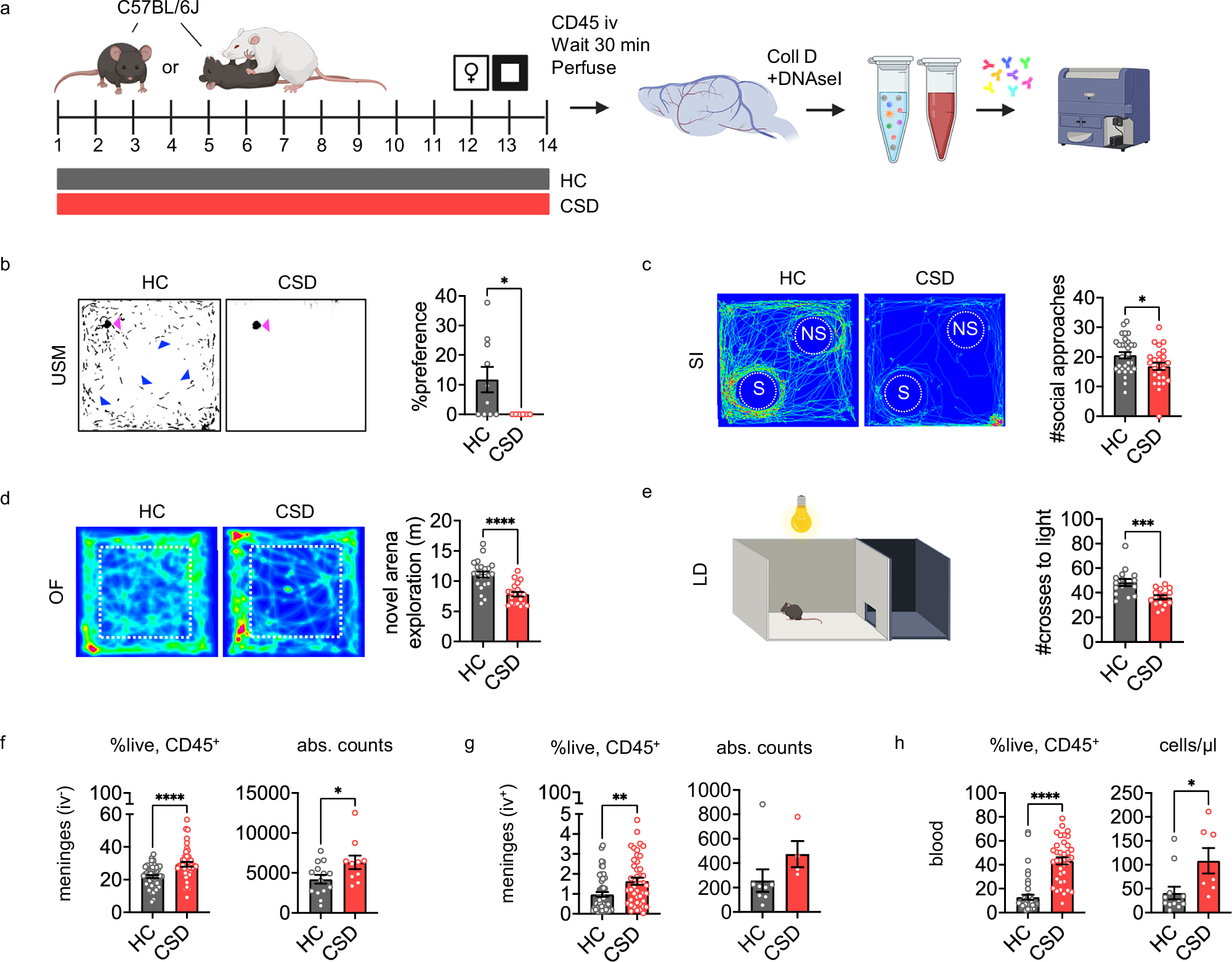
the team used mice exposed to chronic social stress. In this experiment, an ‘intruder’ mouse is introduced into the home cage of an aggressive resident mouse. The two have brief daily physical interactions and can otherwise see, smell, and hear each other.

The researchers found that prolonged exposure to this stressful environment led to a noticeable increase in levels of neutrophils in the meninges, and that this was linked to signs of depressive behaviour in the mice.
Even after the stress ended, the neutrophils lasted longer in the meninges than they did in the blood. Analysis confirmed the researchers’ hypothesis that the meningeal neutrophils – which appeared subtly different from those found in the blood – originated in the skull.

Further analysis suggested that long-term stress triggered a type of immune system ‘alarm warning’ known as type I interferon signalling in the neutrophils.
Blocking this pathway – in effect, switching off the alarm – reduced the number of neutrophils in the meninges and improved behaviour in the depressed mice. This pathway has previously been linked to depression – type 1 interferons are used to treat patients with hepatitis C, for example, but a known side effect of the medication is that it can cause severe depression during treatment. ..."

From the abstract:
"Inflammation is increasingly recognized as a risk factor for psychiatric disorders. Animal models of stress and stress-related disorders are associated with blood neutrophilia. The mechanistic relevance of this to symptoms or behavior is unclear.
We characterized the immune response to chronic social defeat (CSD) stress at brain border regions in male mice.
Here we show that chronic, but not acute, stress causes neutrophil accumulation in the meninges—i.e., “meningeal neutrophilia”— but not the brain.
CSD promotes neutrophil trafficking to meninges via vascular channels originating from skull bone marrow (BM). Transcriptional analysis suggests CSD increases type I interferon (IFN-I) signaling in meningeal neutrophils. Blocking this pathway via the IFN-I receptor (IFNAR) protects against the negative behavioral effects of CSD stress. Our identification of IFN-I signaling as a putative mediator of meningeal neutrophil recruitment may facilitate development of new therapies for stress-related disorders."

Depression linked to presence of immune cells in the brain’s protective layer | University of Cambridge "Immune cells released from bone marrow in the skull in response to chronic stress and adversity could play a key role in symptoms of depression and anxiety, say researchers."


Fig. 1: Meningeal neutrophils are elevated following chronic social defeat (CSD) stress, which causes depressive-like behavioral changes.


Sunday, January 19, 2025

Depression breakthrough: Almost 300 previously unknown genes identified in a world wide massive study

Good news! Will we finally defeat the demons of depression!

"... with 293 newly identified gene variants found to play a role in ramping up the risk factor. That's 42% more than was previously known.

A massive trans-ancestry genome-wide association study (GWAS) looked at the genetic makeup of 688,808 individuals with depression and 4,364,225 people in the control group and identified, in total, 697 variants across 635 gene loci linked to the disorder. 293 of those were new findings. ...

if a person is living with a full genetic bingo card of these identified variants, there's a much higher risk of them developing the disorder.  ..."

"... Australia’s contribution to the international study was vital.

More than 50 of the newly identified gene variants came via results from the Australian Genetics of Depression Study (AGDS) which provided a database of 16,000 participants with depression and 18,000 without depression providing saliva samples for analysis. ...

The research team from the Psychiatric Genomics Consortium involved scientists from continents including the UK, South Africa, Brazil, Mexico, the USA, Australia, Taiwan and China. ..."

From the highlights and abstract:
"Highlights
• Trans-ancestry GWAS identified 697 variants and 308 genes associated with depression
• Implicates postsynaptic density, neuronal dysregulation, and amygdala involvement
• Findings enriched for antidepressant targets and highlight drug repurposing options
• Polygenic scores predicted depression case-control status across all ancestries
Summary
In a genome-wide association study (GWAS) meta-analysis of 688,808 individuals with major depression (MD) and 4,364,225 controls from 29 countries across diverse and admixed ancestries, we identify 697 associations at 635 loci, 293 of which are novel.
Using fine-mapping and functional tools, we find 308 high-confidence gene associations and enrichment of postsynaptic density and receptor clustering. A neural cell-type enrichment analysis utilizing single-cell data implicates excitatory, inhibitory, and medium spiny neurons and the involvement of amygdala neurons in both mouse and human single-cell analyses.
The associations are enriched for antidepressant targets and provide potential repurposing opportunities. Polygenic scores trained using European or multi-ancestry data predicted MD status across all ancestries, explaining up to 5.8% of MD liability variance in Europeans. These findings advance our global understanding of MD and reveal biological targets that may be used to target and develop pharmacotherapies addressing the unmet need for effective treatment."

Depression breakthrough: Almost 300 previously unknown genes identified

Sunday, October 23, 2022

New serotonin parallel pathway findings in roundworms could help treat depression, anxiety

Good news! However, more research is needed! 

Given the fact that serotonin was discovered in the 1930s it is very surprising that we still do not very well understand this critical neurotransmitter! It is curious!

"... Drugs that alter serotonin levels are the main weapon for treating psychological conditions such as anxiety, depression and eating disorders. ...
For many years, researchers thought that serotonin was made in C. elegans by one specific molecular pathway, and that serotonin was then quickly degraded. ...
“We discovered a second, parallel biosynthetic pathway that accounts for about half of the total serotonin produced in our model system,” ...
The work began about three years ago, when the researchers unexpectedly discovered an enzyme that converts serotonin into derivative compounds.
... “but we found that, instead, it is used as a building block for other compounds that are responsible for some of serotonin’s activity. ...
further showed that the new serotonin derivatives affect feeding behavior. ...
there are hints that human serotonin is converted into metabolites similar to the ones identified in C. elegans, which opens up many more avenues of research. ..."

From the abstract:
"The neurotransmitter serotonin plays a central role in animal behavior and physiology, and many of its functions are regulated via evolutionarily conserved biosynthesis and degradation pathways. Here we show that in Caenorhabditis elegans, serotonin is abundantly produced in nonneuronal tissues via phenylalanine hydroxylase, in addition to canonical biosynthesis via tryptophan hydroxylase in neurons. Combining CRISPR–Cas9 genome editing, comparative metabolomics and synthesis, we demonstrate that most serotonin in C. elegans is incorporated into N-acetylserotonin-derived glucosides, which are retained in the worm body and further modified via the carboxylesterase CEST-4. Expression patterns of CEST-4 suggest that serotonin or serotonin derivatives are transported between different tissues. Last, we show that bacterial indole production interacts with serotonin metabolism via CEST-4. Our results reveal a parallel pathway for serotonin biosynthesis in nonneuronal cell types and further indicate that serotonin-derived metabolites may serve distinct signaling functions and contribute to previously described serotonin-dependent phenotypes."

New serotonin findings could help treat depression, anxiety | Cornell Chronicle


Monday, August 15, 2022

Study Sheds New Light on a Promising Antidepressant Ketamine

Good news! More research confirming the potential for ketamine to be a potentially effective treatment for depression!

I have blogged here and here about ketamine before. Ketamine appears to be less addictive than other treatments.

Unfortunately, the regulatory government bureaucracy will most likely and  unnecessarily delay the new treatment to become widely available anytime soon.

"... Two years later [2019], the arrival of the first ketamine-based antidepressant – the nasal spray esketamine, made by Johnson & Johnson – was applauded as the most exciting development in the treatment of mood disorders in decades. Yet the U.S. Food and Drug Administration still limits the spray’s use. It is mainly given to depressed patients who have not been helped by other therapies ...
there have been no major breakthroughs in the treatment of depression since the 1987 approval of the most famous antidepressant of all time, Prozac. ...
Meanwhile, existing drugs bring no relief to about a third of depressed patients. Even when the drugs do work, they take four to eight weeks to take effect, a delay that can prove fatal in suicidal cases. ...
They [ketamine] make people feel better within hours. Their antidepressant action then lasts for days after the drug itself has cleared from the body. Evidently, it’s the body’s response to ketamine, rather than ketamine itself ...
In this study ... mapped out gene expression in thousands of individual neurons in the brains of mice that had been given a dose of ketamine. These neurons belong to networks that convey their signals by means of the neurotransmitter glutamate. Ketamine had been known since the 1990s to produce its effects by acting on such neurons – this in contrast to older antidepressants, which mainly affect neurons influenced by serotonin. But since ketamine’s effect persists long after it leaves the body, its action could not be explained by mere blockage of glutamate receptors on the surfaces of neurons. ...
To this end, the scientists focused on the ventral hippocampus ... After mapping out gene expression in cells from this area of the mouse brain, the researchers identified a subpopulation of neurons with a characteristic genetic signature. Ketamine had increased these neurons’ expression of a gene called Kcnq2, which encodes a potassium channel – ... In a series of elaborate experiments on the molecular and cellular levels, which included electrophysiological, pharmacological, behavioral and functional studies, the scientists confirmed their major finding: Ketamine exerts its lasting antidepressant effect by enhancing the Kcnq2 potassium channels in a certain subtype of glutamate-sensitive neurons. ..."

From the abstract:
"A single sub-anesthetic dose of ketamine produces a rapid and sustained antidepressant response, yet the molecular mechanisms responsible for this remain unclear. Here, we identified cell-type-specific transcriptional signatures associated with a sustained ketamine response in mice. Most interestingly, we identified the Kcnq2 gene as an important downstream regulator of ketamine action in glutamatergic neurons of the ventral hippocampus. We validated these findings through a series of complementary molecular, electrophysiological, cellular, pharmacological, behavioral, and functional experiments. We demonstrated that adjunctive treatment with retigabine, a KCNQ activator, augments ketamine’s antidepressant-like effects in mice. Intriguingly, these effects are ketamine specific, as they do not modulate a response to classical antidepressants, such as escitalopram. These findings significantly advance our understanding of the mechanisms underlying the sustained antidepressant effects of ketamine, with important clinical implications."

Changing the Channel: Study Sheds New Light on a Promising Antidepressant - Life Sciences | Weizmann Wonder Wander - News, Features and Discoveries A newly revealed mechanism of ketamine’s action on potassium channels in neurons may lead to improved therapies for depression


Sunday, June 19, 2022

Study Links Depression with High Levels of the Amino Acid prolin

Good news! Are we finally coming closer to better treatment options?

"A growing body of literature ties the gut microbiome to symptoms of depression in a seemingly circular relationship where each affects the other. However, many of the studies on this relationship merely link certain bacterial populations or diets to major depressive disorder—leaving open critical questions about the underlying mechanisms of how the gut microbes might influence depression.
Research published last month (May 3) in Cell Metabolism takes an important step toward filling such gaps, demonstrating in multiple animal species that there is likely a causative relationship between depression severity and serum levels of the nonessential amino acid proline, which the study finds depend on both diet and the activity of proline-metabolizing bacteria in the gut. ..."

From the abstract:
"The microbiota-gut-brain axis has emerged as a novel target in depression, a disorder with low treatment efficacy. However, the field is dominated by underpowered studies focusing on major depression not addressing microbiome functionality, compositional nature, or confounding factors. We applied a multi-omics approach combining pre-clinical models with three human cohorts including patients with mild depression. Microbial functions and metabolites converging onto glutamate/GABA metabolism, particularly proline, were linked to depression. High proline consumption was the dietary factor with the strongest impact on depression. Whole-brain dynamics revealed rich club network disruptions associated with depression and circulating proline. Proline supplementation in mice exacerbated depression along with microbial translocation. Human microbiota transplantation induced an emotionally impaired phenotype in mice and alterations in GABA-, proline-, and extracellular matrix-related prefrontal cortex genes. RNAi-mediated knockdown of proline and GABA transporters in Drosophila and mono-association with L. plantarum, a high GABA producer, conferred protection against depression-like states. Targeting the microbiome and dietary proline may open new windows for efficient depression treatment."

Study Links Depression with High Levels of an Amino Acid | The Scientist  Magazine® Experiments in animals and observations in humans suggest that the amount of proline circulating in one’s plasma has a strong association with depression severity.


Friday, December 03, 2021

Structure of depression-linked brain receptor solved, offering possible new treatment route for major depression

Good news! Fascinating research!

"Scientists at Scripps Research, Florida have determined the near-atomic-scale structure of an unusual brain-cell receptor called GPR158, which has been linked to depression and anxiety.

The structural study reveals both the receptor and its regulating complex, advancing understanding of basic cell receptor biology. It also enables work on potential therapeutics designed to block GPR158 as a strategy for treating depression, anxiety and possibly other mood disorders.

In the study ... the researchers used ultracold, single-particle electron microscopy, or cryo-EM, to map, at a resolution of about a third of a billionth of a meter, the atomic structure of GPR158, both on its own and when bound to a group of proteins that mediate its activity.

“We’ve been studying this receptor for more than 10 years, and have done a lot of biology on it, so it’s really gratifying to see for the first time how it’s organized,” ...

Clinical depression, also called major depressive disorder, is estimated to affect roughly 20 million people in the United States in any given year. Current treatments work on other known receptors, including monoamine, but don’t always work well for all people and alternative options are needed.
... team found in a 2018 study that GPR158 is present at unusually high levels in the prefrontal cortex of people diagnosed with major depressive disorder at the time of their death. They also found that exposing mice to chronic stress increased levels of this receptor in the mouse prefrontal cortex, leading to depression-like behavior—whereas eliminating GPR158 activity in chronically stressed mice made them resistant to depression and the effects of stress. Additionally, the activity of GPR158 receptor has been also linked to prostate cancer. ...
In the new study, solving the receptor’s structure offered many insights into how GPR158 works.
First, scientists found that it binds RGS complex in the same way that many receptors typically engage their conventional transducers, leading to the idea that it employs RGS proteins as means of transducing its signal.
Second, the structure revealed that the receptor exists as two interconnected copies of the GPR158 proteins stabilized by phospholipids. “These are fat-related molecules that effectively staple the two halves of the receptor together ...
Finally, on the other side of the receptor that faces outside of the cell, an unusual module called the cache domain was revealed. The authors believe the cache domain serves as a trap for the molecules that activate GPR158. Cache domains have never been observed in these types of receptors before, demonstrating the unique biology of this orphan receptor. ..."

From the abstract:
"GPR158 is an orphan G-protein-coupled receptor (GPCR) highly expressed in the brain where it controls synapse formation and function. GPR158 has also been implicated in depression, carcinogenesis and cognition. However, the structural organization and signaling mechanisms of GPR158 are largely unknown. Here, we report structures of the human GPR158 alone and bound to an RGS signaling complex, determined using single-particle cryo-electron microscopy (cryoEM). The structures reveal a homodimeric organization stabilized by a pair of phospholipids and the presence of an extracellular Cache domain, an unusual ligand-binding domain in GPCRs.-. We further demonstrate the structural basis of GPR158 coupling to RGS7-Gβ5. Together, these results provide insights into the unusual biology of orphan receptors and the formation of GPCR-RGS complexes."

Structure of depression-linked brain receptor solved, offering possible new treatment route | Scripps Research Powerful microscopic view of factor involved in major depression and chronic stress offers insights into cell signaling, presenting a possible way to tackle mood disorders.


Sunday, August 22, 2021

Ketamine for depression could help relieve some of the mental health burden caused by pandemic, experts say

Good news! E.g. but what are the side effects? Can we finally defeat depression, an often devastating disorder affecting millions of people?

"... “My wife cried for 30 minutes in joy” after her first ketamine infusion treatment, said Matt Stang of his wife, Jackee Stang, who has an anxiety disorder. ...
Jackee and Matt are co-founders of psychedelic wellness company DELIC, which is slated to become the largest provider of ketamine infusion centers in the country. Clinics are currently located in Arizona and California.

Patients at a DELIC clinic get six infusion treatments over the course of six weeks under the consultation of medical professionals. ...
“They are able to disconnect and disassociate from negative thoughts and patterns,” Stang said. “It can literally be transformative.” ..."

Ketamine for depression could help relieve some of the mental health burden caused by pandemic, experts say Ketamine, the medication originally used as an anesthetic and later a party drug, has taken on a new form to provide “transformative” results in certain patients with depression, and it could help relieve some of the mental health burden caused by the coronavirus pandemic.

Wednesday, June 09, 2021

Major depression is no laughing matter or is it? Try laughing gas!

Good news! According to latest research inhaled low concentration laughing gas may help with treatment-resistant major depression.

Is it not common wisdom that laughing is good for your mental health? Laugh more, be happier!

"Laughing gas improves depression
About one-third of individuals suffering from depression are at risk for treatment resistance. Whereas inhaled 50% nitrous oxide has early antidepressant effects on individuals with treatment-resistant major depression (TRMD), adverse effects can occur at this concentration. In this phase 2 clinical trial, Nagele et al. studied the effects of a single 1-hour treatment with 25% nitrous oxide on depression symptoms in those with TRMD, finding that this lower concentration had comparable efficacy to 50% nitrous oxide over several weeks but was associated with significantly fewer adverse effects. These results highlight that lower concentrations of nitrous oxide may be a useful treatment for TRMD."

A phase 2 trial of inhaled nitrous oxide for treatment-resistant major depression | Science Translational Medicine (no public access)

Monday, February 11, 2019

The Expanding Mental Disorder Profession

Posted: 2/11/2019


Trigger


In this article, we learn that young children were subjected to a few carefully selected and rather narrowly crafted and blunt experiments to determine early onset of anxiety and depression. My hunch is that these few experiments are rather crude to make such far reaching judgments! More longitudinal studies and more observation are called for!


A Few Observations


  1. There is a huge conflict of interest affecting in particular the mental disorder profession (psychologists, psychiatrists, neurologists etc.), but something similar applies to other medical professions as well
  2. The more humans, this profession identifies as having mental disorders, the more money flows their way, the more prestige, fame, and stature they gain, the more such professionals we need and so forth. A nice self feeding, reinforcing process (or a vicious spiral)
  3. I would argue since Sigmund Freud, the mental disorder profession has attempted to declare as many members of society to be suffering from some mental disorder as possible
  4. Do members of the mental disorder profession exploit their authority as trusted specialists? I would say yes! Lay people are kind of left to rely on their pronouncements
  5. If it is to some extent true that a disproportionate number of the members of the mental disorder profession are their own best patients (self treatment), then would these members not feel better if they are not isolated case, but that many humans share their fate?
  6. Like ADHD or autism spectrum disorders, anxiety and depression are very much in the eye of the beholder. All these disorders are difficult to specify and measure. Their diagnosis was expanded dramatically over the past decades. More and more children and adults have been diagnosed as having one of these disorders
  7. To what extent are e.g. anxiety and depression just part of the normal range of human behavior and mental condition? To my knowledge, there are still no hard facts or diagnostic tests to determine if and when a human being (adolescent or adult) has a mental disorder so severe and clinical that requires treatment

Sunday, February 10, 2019

Severe Depression Is Finally Loosing Its Grip

Posted: 2/10/2019  Updated: 3/22/2019

Update Of 3/22/2019

Just read When neurons are out of shape, antidepressants may not work (Source 1, published 3/22/2019; 2) here is a partially corresponding Salk Institute news release: When Neurons Get The Blues: Hyperactive Brain Cells May Be To Blame When Antidepressants Don'T Work published 1/31/2019; 3) here is the underlying original research paper Altered serotonergic circuitry in SSRI-resistant major depressive disorder patient-derived neurons published 3/22/2019)

Looks like the Salk Institute may have found an explanation why a significant number of patients do not respond to the most commonly prescribed antidepressants selective serotonin reuptake inhibitor (SSRI) antidepressants a.k.a. SSRI resistance.  

Some pertinent quotes (emphasis added):
  1. “... When serotonin was present, some neurons derived from SSRI non-responders had significantly higher activity on average compared to the neurons of healthy individuals or SSRI responders. ...” (Source 2)
  2. “... two particular serotonin receptors (out of seven known in the human brain), 5-HT2A and 5-HT7. When these receptors were blocked with a chemical compound, the neurons of non-responders were no longer hyperactive in the presence of serotonin ...” (Source 2)
  3. “... serotonergic neurons exhibited altered neurite growth and morphology downstream of lowered expression of key Protocadherin alpha genes as compared to healthy controls” (Source 3)
  4. “... intrinsic differences in serotonergic neuron morphology and the resulting circuitry may contribute to SSRI resistance in MDD [major depressive disorder] patients”

Original Post


This article is very comprehensive, has quite a bit of historical context, covers several treatment methods, contains intuitive graphics, and much more. Highly recommendable!

We have to be very grateful to those patients with epilepsy who participated in this research. Thanks to these patients we will be seeing a lot more insights about the workings of our brain in the months and years to come. This is very exciting!

For lack of time, I keep this post very short.

Tuesday, August 12, 2014

A Clown Makes Us Laugh, But Is Sad On The Inside

Posted: 8/12/2014

This blog post was of course triggered by the recent suicide of Robin McLaurin Williams.

Clowns make us laugh, but they can be sad on the inside, as they say! Laughter is the best medicine, but not for all.

Why do we in the year 2014 still do not have better medical treatments available for serious depressions? How much longer will it take?

Will depressive humans accept the treatment, which is not assured?

Tuesday, February 18, 2014

Scientists Confirm That Religious Faith Prevents Depression

Trigger


From the abstract of the study (emphasis added):
“We previously reported a 90% decreased risk in major depression, assessed prospectively, in adult offspring of depressed probands who reported that religion or spirituality was highly important to them. Frequency of church attendance was not significantly related to depression risk. ”

Faith Moves Mountains

At least since the Bible, humans know or intuitively sense that faith in God can do marvelous things. Finally, scientists are catching up. :-)

I find it very plausible that frequency of church attendance is insignificant. The most frequent churchgoer or greatest church donor may be entirely without any faith.