Showing posts with label University of California. Show all posts

Saturday, October 03, 2026

Trump Administration Turns Up Pressure on UCLA Law exposing racial discrimination against white and Asian applicants

Good news! Bravo! Yes, expose racial discrimination against white and Asian applicants at US universities.

It is very simple: Any race based discrimination is a violation!

"... This time, the Department of Justice is taking aim at the University of California, Los Angeles School of Law, which has been accused of continuing a racialized admissions process even after the Supreme Court ruled against it in 2023.

On Thursday, the DOJ announced that, after a lengthy investigation, it found that UCLA Law “discriminated against white and Asian students in granting admission to its 2023, 2024, and 2025 incoming classes.” ..."

Trump Administration Turns Up Pressure on DEI Admissions at UCLA Law - The Daily Signal

Wednesday, May 27, 2026

UCLA opens Center for Advanced Biotherapies, expanding capacity to develop and deliver personalized cell and gene therapies

Good news!

"Key takeaways 
  • UCLA has opened the Center for Advanced Biotherapies, a 14,000-square-foot FDA-compliant manufacturing facility that nearly doubles the institution’s capacity to produce cell and gene therapies for patients enrolled in clinical trials.
  • The facility — built with support from the National Institutes of Health and the California Institute for Regenerative Medicine — is equipped to manufacture a broad range of personalized treatments, from cancer vaccines to stem cell gene therapies.
  • The facility’s proximity to UCLA’s hospitals and clinics means researchers can move a therapy from the manufacturing suite to an early phase clinical trial patient’s bedside the same day.
For 30 years, the UCLA Human Gene and Cell Therapy Facility has been the quiet engine behind some of the university’s most ambitious clinical research, supporting more than 25 clinical trials and producing over 300 personalized therapy products for patients with cancer, HIV/AIDS, sickle cell disease and rare genetic disorders. But the science consistently exceeded what the space was designed for. ...

The center features 10 cleanrooms, including seven manufacturing suites designed to run multiple therapies simultaneously, two bioengineering rooms built for large-scale equipment, including bioreactors and 3D printers, and a dedicated suite for viral vector manufacturing. A centralized quality control laboratory supports comprehensive product testing and release.  ..."

UCLA opens Center for Advanced Biotherapies, expanding capacity to develop and deliver cell and gene therapies | UCLA


Three researchers in full white protective suits and gloves work inside a sterile cleanroom laboratory, viewed through a glass door.


Tuesday, April 28, 2026

Research improves molecular probe of protein binding sites for drug discovery

Good news!

"... The invention works with an existing lab method called photo-crosslinking. Leaving behind a clean, uniform chemical signature, the technology allowed the team to directly compare how different molecules compete for the same binding site on a protein, all in a single experiment. Because most small-molecule drugs act by binding to specific protein targets, finding precisely where these molecules bind is a major benefit for drug discovery.

As proof of concept, the team analyzed the activity of dasatinib and ascinimib, two cancer drugs that target different sites on the same protein, a type of enzyme called a kinase that, when mutated, causes leukemia.
The results coincided with known interactions for each drug and revealed previously unknown interactions. The newer drug, ascinimib, which has a more favorable safety profile and fewer side effects, showed fewer off-target kinase interactions. ...

new technology, called SEE-CITE, is giving the molecule being studied the ability to detach from its payload so that each tagged molecule leaves behind a consistent calling card. This makes possible quantitative measurements and comparisons of how strongly different molecules engage a given binding site. The team also upgraded a widely used software tool to better interpret the complex data this method generates. ..." 

From the abstract:
"For chemical probe and drug discovery campaigns, the pairing of mass spectrometry-based chemoproteomics with photoaffinity labelling has emerged as a favoured approach for target discovery and mode of action assignment. However, photocrosslinked peptide-compound adducts raise analytic challenges for quantitative binding site discovery.
Here, to address these challenges, we establish the Silyl Ether Enables Chemoproteomic Interaction and Target Engagement (SEE-CITE) method. SEE-CITE incorporates a fully functionalized chemically cleavable photocrosslinking handle that enables precise site-of-labelling identification and head-to-head comparisons of relative binding site engagement by chemically diverse compounds.
To ensure high-confidence localization of labelled residues, we extended the MSFragger algorithm of the FragPipe computational platform to report localization scores customized for photoaffinity labelling and SEE-CITE data.
When applied to scout fragments and analogues of select FDA-approved kinase inhibitors, SEE-CITE delineates known drug binding sites and uncovers small-molecule binding sites that affect the protein activity of RTN4 and COX5A."

UCLA research improves molecular probe for drug discovery | UCLA


Fig. 1: Establishing the SEE-CITE interaction site mapping platform using scout SEE-CITE probes.


Fig. 3: SEE-CITE mapping of ABL1 binding sites.


Friday, April 17, 2026

A hidden army of zombie immune cells may drive fatty liver disease, inflammation and aging

Good news! This could be a breakthrough!

"... researchers have identified a rogue population of immune cells that quietly accumulates in aging tissues and in the livers of people with fatty liver disease.
Clearing these cells, they found, dramatically reduced inflammation and reversed liver damage in mice—even while the animals remained on an unhealthy diet. ..."

"Key takeaways
  • UCLA researchers have identified a population of dysfunctional immune cells — dubbed “zombie macrophages” — that accumulates in the liver during aging and fatty liver disease, driving the chronic inflammation behind both conditions. 
  • The study found that excess dietary cholesterol, not just aging alone, can push these immune cells into a permanently inflamed state, suggesting that high-cholesterol diets may accelerate biological aging at the cellular level. 
  • Treating mice with a drug that selectively clears these cells reversed fatty liver disease and reduced inflammation — even without any change in diet — pointing to a potential new therapeutic strategy for a condition affecting an estimated 30-40% of Los Angeles residents.
...
For years, scientists debated whether macrophages — the large immune cells that patrol every tissue in the body, engulfing debris, pathogens and dying cells — could truly become senescent. The prevailing view was that they could not. Part of the confusion stemmed from biology: macrophages naturally display some molecular markers of senescence even when healthy, making it hard to tell a genuinely dysfunctional cell from one simply doing its job.

The UCLA team resolved this by identifying a molecular signature — two proteins, p21 and TREM2, whose combination reliably flags macrophages that are genuinely senescent: no longer functional, but persistently inflaming their surrounding tissue. 

Using this signature, the researchers found that the proportion of senescent macrophages in the liver surges from roughly 5% in young mice to nearly 60-80% in old ones, closely tracking with the rise of chronic liver inflammation during normal aging. But aging, it turns out, isn’t the only trigger. ...

"

From the abstract:
"Cellular senescence drives chronic sterile inflammation during aging via the senescence-associated secretory phenotype, yet the senescent cell types responsible are poorly defined.
Macrophages share multiple features of senescence, including inflammatory secretion, yet whether macrophages can adopt a senescent state remains unclear. Here we identify p21⁺Trem2⁺ senescent macrophages as a major source of inflammaging, using primary mouse and human macrophage models of DNA damage and cholesterol-induced senescence characterized by multi-omic profiling. We found that senescent macrophages exhibit a distinctive p21-TREM2 expression profile and senescence-associated secretory phenotype, driven in part by type I interferon signaling via cytosolic mitochondrial DNA.
We also found that senescent macrophage accumulation occurs in aging, metabolic dysfunction-associated steatotic liver disease mouse livers, and is enriched in human cirrhotic liver tissue.
Finally, senolytic treatment targeting senescent macrophages reduced liver inflammation and steatosis in both aged mice and mice with metabolic dysfunction-associated steatotic liver disease.
These findings establish macrophage senescence as a central driver of chronic inflammation in aging and metabolic liver disease, and a tractable therapeutic target."

A hidden army of zombie immune cells may drive fatty liver disease, inflammation and aging


Microscopy image showing senescent macrophages in red and cholesterol-laden lipid droplets – a key driver of senescence – in green.


Fig. 3: Senescent p21+ macrophages accumulate in aged metabolic tissues.


Monday, April 13, 2026

City life is reshaping wildlife behavior around the world: Stealing sandwiches and sipping sodas

That is called symbioses of humans and wildlife, which is part of modern evolution! This symbioses has been going on already for several thousand of years since humans started to live in settlements.

Don't believe the alarmism and hysteria by researchers warning us here! Overblown concerns or bait for more research funding!

A related subject is non domestic animal population control in urban areas. E.g. there are probably way too many birds in the Phoenix metro area ,Arizona.

"... The urban monkeys in New Delhi are so bold they’ll steal the lunch right off your plate. 

If you’ve spent time in New York, you’ve probably seen squirrels try to do the same.

Sydney’s white ibises got the nickname “bin chickens” for stealing trash and sandwiches.

This brazen behavior isn’t normal for most species in the countryside, yet it shows up in urban wildlife, and not just in these cities. ...

Studies show that animals living in urban environments around the world exhibit common sets of behaviors. At the same time, these urban animals are losing traits they would need in the wild. This process of urban animals’ behavior becoming more similar is known as “behavioral homogenization,” and it accompanies the loss of species diversity with urbanization. ..."

From the abstract:
"A variety of human activities, especially urbanization, are not only homogenizing species composition but also eroding behavioral diversity. This Essay introduces the concept of behavioral homogenization: the human-driven convergence of behavioral traits across individuals, populations, and species across space and time. 
Global examples of fear responses, foraging, communication, activity patterns, social behavior, cognition and exploration, habitat use, breeding-site choice, migration, and heterospecific interaction networks are used to argue that spatial and temporal beta-diversity in behavior is shrinking in human-dominated landscapes.
Ecological and evolutionary consequences, including for animal cultures and human–wildlife conflict, are outlined and opportunities to quantify and integrate behavioral homogenization into biodiversity conservation and management are highlighted."

City animals act in the same brazen ways around the world "Researchers warn that as animals adapt to city life, they may be losing traits needed to survive in the wild [???]"


What is not to like about Coca Cola? Caution: satire!


Fig 2. Schematic of urban-driven behavioral homogenization.


Sunday, April 12, 2026

Inexpensive detecting of multiple cancers and other diseases from a single blood sample by analyzing circulating DNA fragments

Good news! Will we soon have much better and cheaper health checkups?

"UCLA scientists have developed a simple and cost-effective blood test that, in early studies, shows promise in detecting multiple cancers, various liver conditions and organ abnormalities simultaneously by analyzing DNA fragments circulating in the bloodstream. The test, described in the journal Proceedings of the National Academy of Sciences, could offer a powerful and more affordable approach to early disease detection and comprehensive health monitoring. ..."

"Key takeaways
  • In early studies, the blood test, developed by UCLA scientists, shows promise in detecting multiple cancers.
  • The new method, called MethylScan, works by analyzing cell-free DNA, tiny fragments of genetic material released into the blood when cells die.
  • In tests, MethylScan detected about 63% of cancers across all stages and roughly 55% of early-stage cancers. 
..."

From the significance and abstract:
"Significance
Cell-free DNA (cfDNA) in blood carries molecular signals from multiple organs, offering a powerful, noninvasive way to detect disease and monitor health. Current cfDNA methylation tests are costly and usually focus on a single condition.
We developed MethylScan, a low-cost assay that sequences cfDNA methylome from blood. In over 1,000 individuals, MethylScan shows robust performance across a range of clinical applications, including multicancer detection in the general population, liver cancer surveillance in high-risk individuals, liver disease classification, organ injury detection, and ancestry prediction, all from one blood sample. This versatile approach enables affordable, wide-ranging cfDNA tests that can identify various health conditions simultaneously, with the potential to transform early disease detection and health monitoring across diverse clinical settings.

Abstract
Plasma cell-free DNA (cfDNA), originating from multiple organs, holds significant potential for noninvasive diagnostics and prognostics. Current cfDNA methylation assays primarily focus on single clinical indications by targeting specific genomic loci. In contrast, comprehensive profiling of cfDNA methylome can enable simultaneous detection of multiple diseases by capturing organ-specific methylation signatures, thereby offering a holistic view of health, when disease etiology is unclear or when conventional biochemical diagnostics are unavailable. However, deep sequencing required for sensitive detection of methylation abnormalities remains prohibitively expensive, limiting widespread clinical use. To overcome this barrier, we developed MethylScan, a highly cost-effective approach for cfDNA methylome sequencing. We demonstrated its broad clinical utility in a cohort of 1,061 individuals across diverse applications, including multicancer detection in general population, liver cancer surveillance in high-risk individuals, liver disease classification, identification of organ abnormalities, and race prediction from cfDNA.
In multicancer detection (liver, lung, ovarian, and stomach cancers), MethylScan achieved an area under the receiver operating characteristic curve (AUROC) of 0.938 (95% CI: 0.920 to 0.954), with a sensitivity of 63.3% (95% CI: 58.9 to 67.9%) at 98.0% specificity for all cancer stages.
For early-stage cancers, the AUROC was 0.916 (95% CI: 0.890 to 0.940), with 55.3% sensitivity (95% CI: 49.1 to 62.1%) at the same specificity.
In liver cancer surveillance, MethylScan achieved an AUROC of 0.927 (95% CI: 0.889 to 0.959), with 79.6% sensitivity (95% CI: 70.6 to 87.8%) at 90.4% specificity.
The assay also demonstrated strong performance in additional diagnostic tasks, supporting its potential as a versatile platform for comprehensive cfDNA-based health monitoring."

Detecting multiple cancers and other diseases from a single blood sample

UCLA researchers develop low-cost blood test to detect multiple cancers and other diseases from a single sample (original news release)


Fig. 1 Illustration of the principle of the MethylScan assay and the criteria of choosing target regions of the MethylScan panel. Shown are four genomic regions, of which the middle two regions have consistent unmethylated MSRE cutting sites in the background cfDNA and are therefore included in the MethylScan panel.
In Step 1, upon MSRE digestion, the background cfDNA in the two panel regions are removed.
In Step 2, the target panel specifically captures cfDNA from the panel regions, thereby enriching tumor cfDNA in the final sequencing pool.


Fig. 4 Study design. (A) overview of plasma samples. (B–F) the usage of plasma samples in five studies. (G) the usage of tissue samples.


Wednesday, December 03, 2025

Scientists develop one-product-fits-all immunotherapy for pancreatic cancer

Good news! Cancer is history (soon)!

"Key takeaways:
  • UCLA researchers have developed a CAR-NKT cell therapy that has shown to be more effective than current immunotherapies at fighting tumors in several different mouse models of pancreatic cancer.
  • Unlike current personalized cell therapies, which require weeks to manufacture, this novel therapy can be mass-produced and stored ready-to-use at a fraction of the cost.
  • With all preclinical studies now complete, the team is preparing to submit applications to the Food and Drug Administration to begin clinical trials.
...
Now, ... researchers have engineered a novel immunotherapy that could offer new hope for a disease that has remained stubbornly resistant to treatment advances for decades. In a study ... the team details how the therapy, called CAR-NKT cell therapy, can track down and destroy pancreatic tumors even after they’ve metastasized to other organs. ..."

From the significance and abstract:
"Significance
Pancreatic cancer (PC) is one of the deadliest cancers, often diagnosed at advanced, hard-to-treat stages. Current cell-based therapies like CAR-T cells face major hurdles, including tumor variability, immune escape, and limited scalability. In this study, we developed an off-the-shelf immunotherapy using gene-engineered natural killer T cells derived from stem cells—called Allo15MCAR-NKT cells. These cells target pancreatic tumors through multiple killing mechanisms, resist immune exhaustion, and avoid rejection by the patient’s immune system. In preclinical models, they effectively controlled tumor growth and spread. This work offers a promising step toward scalable, next-generation immunotherapy for PC, with the potential to address current treatment limitations and improve outcomes for patients with advanced disease.

Abstract
Pancreatic cancer (PC) remains one of the leading causes of cancer-related mortality worldwide. The majority of patients are diagnosed at advanced stages, with over 50% presenting with metastatic disease at the time of diagnosis. Although chimeric antigen receptor (CAR)-T cell therapy has shown promise in targeting PC, its clinical efficacy remains limited due to several critical challenges. These include tumor antigen heterogeneity, antigen loss or escape mechanisms, functional exhaustion of CAR-T cells within the tumor microenvironment, as well as inherent limitations of autologous approaches such as high manufacturing costs, prolonged production timelines, and restricted scalability.
To address these challenges, we developed allogeneic IL-15–enhanced, mesothelin-specific CAR-engineered invariant natural killer T (Allo15MCAR-NKT) cells through gene engineering of human hematopoietic stem and progenitor cells (HSPCs) using a clinically guided culture method.
These Allo15MCAR-NKT cells exhibited robust and multifaceted antitumor activity against PC, driven by both CAR and NK receptor–mediated cytotoxic mechanisms.
In orthotopic and metastatic human PC xenograft models, Allo15MCAR-NKT cells demonstrated superior tumor control, enhanced trafficking and infiltration into tumor sites, sustained effector and cytotoxic phenotypes, and reduced expression of exhaustion markers.
Importantly, Allo15MCAR-NKT cells demonstrated a favorable safety profile, characterized by the absence of graft-versus-host disease and minimal cytokine release syndrome.
Collectively, these findings validate Allo15MCAR-NKT cells as a promising next-generation, off-the-shelf immunotherapeutic approach for PC, with the potential to overcome critical challenges including tumor heterogeneity, immune evasion, and therapeutic resistance, especially in the context of metastatic disease."

UCLA scientists develop one-product-fits-all immunotherapy for pancreatic cancer | UCLA


Microscopy image showing a stem cell-engineered CAR-NKT cell (blue) attacking a human solid tumor cell (magenta).


Fig. 1 Generation and characterization of HSPC-engineered allogeneic IL-15-enhanced MCAR-NKT (Allo15MCAR-NKT) cells.


Sunday, September 14, 2025

How fast mRNA degrades linked to autoimmune disease risk

Good news! This is early, but promising research!

"Key takeaways
  • Messenger RNA copies and carries instructions from the DNA in the cell’s nucleus to where protein is made. More mRNA usually means more protein — unless the mRNA is unstable and breaks down too quickly.
  • Mutations in the DNA can affect the production and stability of mRNA, which influences how much protein a cell produces and a person’s risk of disease. 
  • UCLA researchers have identified genetic mutations that influence mRNA stability. Many of these genes are involved in immune system function.
... [mRNA] is produced, it does its job, and then it’s destroyed. But most research has focused on how mRNA is made. Much less attention has been paid towards how fast it’s degraded — and that’s just as important.”

Both the production and stability of mRNA can be affected by mutations in the DNA, which are commonly referred to as genetic variants. These variants can affect how much protein a cell makes, and in turn, influence a person’s risk of disease. But figuring out whether a variant affects how much mRNA is made — or how long it survives — has been a major challenge. ...

The team also found that several of the genetic variants linked to unstable mRNA had already been associated with autoimmune diseases in large-scale genetic studies. ...

Using additional modeling, the researchers linked expression levels of these stability-regulated genes to diseases including allergic rhinitis, lupus, diabetes mellitus and multiple sclerosis. The findings suggest that mRNA stability — long overlooked — may be a key mechanism behind many immune-related diseases. ..."

From the abstract:
"Gene expression is modulated jointly by transcriptional regulation and messenger RNA stability, yet the latter is often overlooked in studies on genetic variants. Here, leveraging metabolic labeling data (Bru/BruChase-seq) and a new computational pipeline, RNAtracker, we categorize genes as allele-specific RNA stability (asRS) or allele-specific RNA transcription events.
We identify more than 5,000 asRS variants among 665 genes across a panel of 11 human cell lines.
These variants directly overlap conserved microRNA target regions and allele-specific RNA-binding protein sites, illuminating mechanisms through which stability is mediated.
Furthermore, we identified causal asRS variants using a massively parallel screen (MapUTR) for variants that affect post-transcriptional mRNA abundance, as well as through CRISPR prime editing approaches.
Notably, asRS genes were enriched significantly among a multitude of immune-related pathways and contribute to the risk of several immune system diseases. This work highlights RNA stability as a critical, yet understudied mechanism linking genetic variation and disease."

How fast mRNA degrades linked to autoimmune disease risk | UCLA "A UCLA study showed genes affecting mRNA stability are also related to disorders such as lupus, diabetes and multiple sclerosis"

Wednesday, September 10, 2025

Researchers find how epilepsy genes disrupt different brain regions using stem cell models

Good news!

"Key takeaways
  • ... researchers used patient-derived stem cells to model how gene variants that cause developmental and epileptic encephalopathy type 13, a rare genetic childhood epilepsy, affect different regions of the brain.
  • ​​​​​​The team discovered that the same variants drive seizure-like hyperactivity in the cortex but disrupt memory-related neural rhythms in the hippocampus by depleting inhibitory neurons — offering insight into why seizure medications alone may not address the full scope of symptoms.
  • By reproducing abnormal brain activity observed in patients, the study establishes the first hippocampal assembloid model, creating a new platform for studying epilepsy, autism, Alzheimer’s disease and other brain disorders.
...

Using patient-derived induced pluripotent stem cells, the researchers generated advanced models known as 3D assembloids of two key brain areas:
the cortex, which is essential for movement and higher-order thinking, and
the hippocampus, which supports learning and memory. The results revealed strikingly different effects depending on the brain region.

In cortical models, the SCN8A variants made neurons hyperactive, mimicking seizure activity.
In hippocampal models, however, the variants disrupted the brain rhythms associated with learning and memory. This disruption stemmed from a selective loss of specific hippocampal inhibitory neurons — the brain’s traffic cops that regulate neural activity. 

These findings may help explain why patients with epilepsy often struggle with symptoms beyond seizures. ..."

From the highlights and abstract:
"Highlights
• Cortical assembloids with SCN8A mutations exhibit marked network hyperexcitability
• Hippocampal assembloids show theta-gamma coupling deficits, mirroring patient recordings
• Computational modeling predicts selective O-LM interneuron loss in the hippocampus
• scRNAseq and IHC reveal region-specific neuronal identity changes in DEE-13 assembloids

Summary
Neurodevelopmental disorders often impair multiple cognitive domains. For instance, a genetic epilepsy syndrome might cause seizures due to cortical hyperexcitability and present with memory impairments arising from hippocampal dysfunction.
This study examines how a single disorder differentially affects distinct brain regions using induced pluripotent stem cell (iPSC)-derived cortical- and hippocampal-ganglionic eminence assembloids to model developmental and epileptic encephalopathy 13, a condition arising from gain-of-function mutations in the SCN8A gene encoding the sodium channel Nav1.6.
While cortical assembloids showed network hyperexcitability akin to epileptogenic tissue, 
hippocampal assembloids did not, and instead displayed network dysregulation patterns similar to in vivo hippocampal recordings from epilepsy patients. Predictive computational modeling, immunohistochemistry, and single-nucleus RNA sequencing revealed changes in excitatory and inhibitory neuron organization that were specific to hippocampal assembloids.
These findings highlight the unique impacts of a single pathogenic variant across brain regions and establish hippocampal assembloids as a platform for studying neurodevelopmental disorders."

UCLA researchers find how epilepsy genes disrupt different brain regions using stem cell models | UCLA


Graphical abstract


Tuesday, September 02, 2025

Alcohol's impact on gut immunity and liver disease

Good news! Drink modestly!

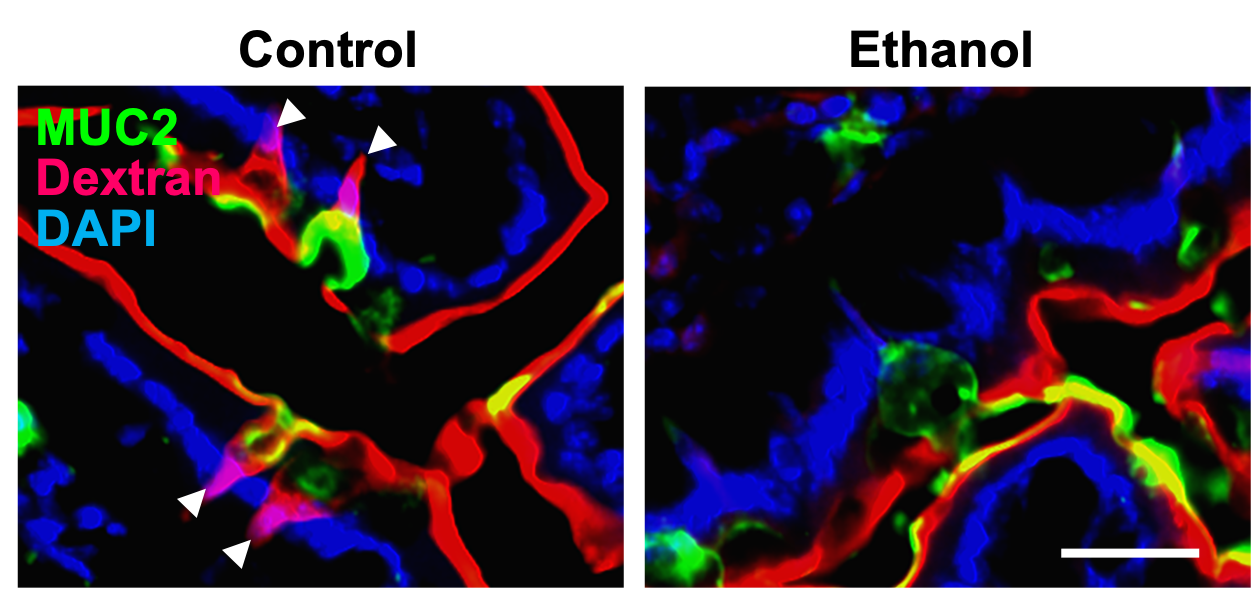
"Scientists have now discovered how alcohol can switch off an immune "alarm system" in the gut, allowing bad bacteria to escape their natural habitat to flood into the liver, rapidly causing inflammation to the organ. This bacterial invasion is a key driver of the inflammation and injury seen in alcohol-associated liver disease (ALD). ..."

"... Now, scientists ... have found that chronic alcohol use impairs the production of a key cellular signaling protein that helps keep gut bacteria within the gut. Without this guardrail in place, bacteria from the gut can more easily migrate to the liver, exacerbating liver damage caused by alcohol. Targeting this mechanism with existing drugs could provide one approach to minimizing the liver damage from alcohol use and reducing the burden of ALD.

Studying a combination of human liver biopsies and mouse models of ALD, the researchers found:
  • Chronic alcohol use reduced the expression of muscarinic acetylcholine receptor M4 (mAChR4), a key cellular communication protein in the gut.
  • Reduced mAChR4 expression hindered the formation of goblet cell-associated antigen passages (GAPs), specialized structures that teach the immune system to promote antimicrobial immunity, thereby preventing harmful bacteria from migrating to the liver. 
  • Restoring mAChR4 function, either by chemically activating mAChR4 or by targeting related signaling pathways allowed GAPs to form and conferred resistance to ALD. 
"

From the abstract:
"Alcohol-use disorder and alcohol-associated liver disease (ALD) are major causes of death and liver transplantation. The gut–liver axis has a crucial yet poorly understood role in ALD pathogenesis, which depends on microbial translocation.
Intestinal goblet cells (GCs) educate the immune system by forming GC-associated antigen passages (GAPs) on activation of muscarinic acetylcholine receptor M4 (mAChR4, also known as M4), enabling sampling of luminal antigens by lamina propria antigen-presenting cells.
Here we show that chronic alcohol use in humans and mice downregulates small intestinal mAChR4 and reduces GAP formation, disrupting antimicrobial immunity. This is reversed on activation of intestinal IL-6 signal transducer (IL6ST, also known as glycoprotein 130; gp130), which restores mAChR4 expression and GAP formation, enabling induction of downstream type-3 innate lymphoid cell-derived IL-22 and antimicrobial REG3 proteins. This blunts translocation of enteric bacteria to the liver, thereby conferring ALD resistance. GAP induction by GC-specific mAChR4 activation was essential and sufficient for prevention of ethanol-induced steatohepatitis. These results lay the foundation for a therapeutic approach using mAChR4 or IL6ST agonists to promote GAP formation and prevent ALD by inhibiting microbial translocation."

Alcohol's impact on gut immunity and liver health


Alcohol Blocks Gut Immune Gatekeepers, Compromising Defense Against Bacteria in ALD "mAChR4 -regulated goblet cell–associated antigen passages (GAPs) train gut immune cells, acting as sentinels, maintaining antimicrobial defense in the gut-liver axis, and positioning mAChR4 agonism and GAP formation as a therapeutic checkpoint for alcohol-associated liver disease (ALD)."


Alcohol reduces mAChR4 and GAP formation. Figure from Llorente et al., Nature, 2025


Thursday, April 24, 2025

UCLA study: Chewing gum releases microplastics into your saliva. Really!

What nonsense is this! If it was so bad, many of us would be dead now!

Alert: Plastophobia is a serious disorder. Please seek immediate medical help! (Caution: satire)

What these studies (including this one) usually fail/omit to investigate whether these absorbed/ingested microplastics are not again discarded by the human body!

It appears the study has not yet been published!

"Key takeaways
  • Microplastics, super-tiny plastic fragments, are found in many of the products we use in everyday life.
  • A pilot study by UCLA engineers found that microplastics are also present in chewing gum.
  • The research suggests that regular gum chewers could potentially be ingesting tens of thousands of microplastic particles a year, although the health effect is not known.
... 
The pair tested 10 brands of commercially available chewing gum, including five synthetic gums, which rely on petroleum-based polymers for their chewiness, and five natural gums, which use plant-based polymers like chicle or other tree sap.

In the lab, a subject chewed seven pieces of each brand for four minutes, ... collecting saliva samples every 30 seconds. In a second experiment, they collected samples repeatedly over 20 minutes to measure the rate at which microplastics were released from each piece of gum. ...

“Our goal is not to alarm anybody,” said ... principal investigator of the study. “Scientists don’t know if microplastics are unsafe to us or not. There are no human trials. But we know we are exposed to plastics in everyday life, and that’s what we wanted to examine here.” ..."


UCLA study: Chewing gum releases microplastics into your saliva | UCLA

Saturday, April 19, 2025

U.S. Latino GDP hits high of $4.1 trillion, marking growth driver for the nation, experts say

What is this obsession about! What is the point!

Or is this some sort of a justification for millions of illegal immigrants? At almost 20% of entire US population, Latin Americans begin to dominate other immigrant groups. 

How high is the US German or US Italian or US Irish or US Indian GDP?

Latino Americans would not be able to accomplish this without the largely free economy and open society that the US Constitution and the American people have established in 250 years.

"Key takeaways
  • Surpassing the record-setting high found in last year’s report, the U.S. Latino GDP hit $4.1 trillion in 2023, showing once again that it equates to the fifth-largest GDP in the world.
  • The economic contributions and performance of Latinos from 2019 to 2023 — including in the face of the pandemic — made the U.S. Latino GDP the single fastest-growing GDP among the world’s 10 largest, surpassing even China.
  • Despite representing only 19.5% of the U.S. population, Latinos were responsible for 30.6% of the growth of the national GDP since 2019.
..."

U.S. Latino GDP hits high of $4.1 trillion, marking ‘growth spot’ for the nation, experts say | UCLA "Report shows Latinos’ economic consumption reached $2.7 trillion as they account for 30.6% of the GDP growth of the country"

Did UCLA correct this chart for Latino population growth? If not, then it is propaganda!


Tuesday, April 15, 2025

UCLA: It’s Jackie Robinson Racism Day

DEI is not dead yet!

To use a capital B for black Americans is racism, pure and simple, a la Joseph Goebbels!

It’s Jackie Robinson Day – and we’re celebrating the legacy of the Bruin legend "Robinson, who lettered in four sports at UCLA — baseball, football, basketball and track — before joining the Brooklyn Dodgers, became the first Black player in Major League Baseball on April 15, 1947."


Thursday, April 22, 2021

Pseudoscience: Proportion of Black physicians in U.S. has changed little in 120 years

University of California promotes pseudoscience in the service of  demagoguery!
The way this UCLA PhD researchers is spinning his results is disturbing!

What about other minority physicians?
I also bet that the income comparisons are flawed! Perhaps, black physicians voluntarily are choosing other specialties than white physicians for varying reasons etc.

What the heck is this PhD author talking about:
Black physicians increased from 1.3% of total population in 1900 to 5.8% in 2018 of which 2.8% are black females. 
Median income gap adjusted for inflation narrowed from $68,000 in 1960 to $50,000 in 2018! 
This is a remarkable improvement by any means!

"... The research also spotlights a significant income gap between white and Black male physicians — a disparity, the researcher writes, that could reflect a combination of pay discrimination and unequal access for physicians to pursue careers in more lucrative specialties. ...
He found that in 1900, when 11.6% of the nation’s population was Black, 1.3% of physicians were Black. In 1940, when 9.7% of the total population was Black, 2.8% of physicians were Black — 2.7% of were Black men and 0.1% were Black women. By 2018, when 12.8% of the total population was Black, 5.4% of U.S. physicians were Black — 2.6% Black men and 2.8% Black women.

Although the percentage of Black women physicians increased 2.7 percentage points between 1940 and 2018, the proportion of physicians who are Black men during the same period has remained essentially unchanged [What an utter nonsense!]. ...
adjusted for inflation, the difference in median income between Black and white male physicians was about $68,000 in 1960. Although that gap narrowed a bit by 2018, to $50,000, the discrepancy was still troublingly wide ...
“If this represents unequal access to specialties, sustained efforts need to be made in order to diversify specialties in medicine,” Ly said."

Proportion of Black physicians in U.S. has changed little in 120 years, UCLA research finds | UCLA A new UCLA study finds that the proportion of physicians who are Black in the U.S. has increased by only 4 percentage points over the past 120 years, and that the share of doctors who are Black men remains unchanged since 1940.

Here is the link to the underlying research article:

Friday, March 19, 2021

The first COVID-19 lockdowns improved air quality. Where are we a year later?

What a lunatic and dangerous article published by the University of California Los Angeles! Dreaming of an authoritarian Big Government to clean the air by eliminating traffic etc.!

"The air quality gains of spring 2020 couldn’t overpower the return to driving, record-high heat waves [followed by a record cool winter] or [man made] apocalyptic wildfires, but they did offer a glimpse of what is possible, researchers say. ...
One of the few uplifting developments in the early weeks of the COVID-19 pandemic was the remarkable boost in air quality around the world. As restrictions stilled cars, planes and boats ... that Los Angeles, at least for a day, had the cleanest air in the world ...
But it didn’t last. ... Did the clean air mean anything? Was it evidence that collective action could clean the air faster than many thought possible ..."

The first COVID-19 lockdowns improved air quality. Where are we a year later? | UCLA Getting cars off the road helped, but a brief reduction in traffic only went so far

Friday, August 14, 2020

Joe Biden picks Kamala Harris: UCLA Faculty share insights on selection of first Black and Asian American woman for VP candidate

These five members of the elite had not much to say other than that this is a historic and symbolic moment that a "woman of color" was nominated! They say nothing about Mistress Kamala's political positions or her voting record as if they all silently and fully agree.


Why do students pay so much tuition, because faculties of U.S. universities like UCLA were bloated with professors and directors who are mediocre at best and in order to meet a gender quota!


Joe Biden picks Kamala Harris: Faculty share insights on selection of first Black and Asian American woman for VP candidate | UCLA

Saturday, July 25, 2020

Jet aircraft exhaust linked to preterm births

Probably an example of sensational junk science coming out of University of California Los Angeles! It is e.g. unclear what other factors and how they were considered! This study is also limited to a single airport, i.e. LAX!


Jet aircraft exhaust linked to preterm births | UCLA A study from the UCLA Fielding School of Public Health has found that pregnant women exposed to high levels of ultrafine particles from jet airplane exhaust are 14% more likely to have a preterm birth than those exposed to lower levels.

Wednesday, July 15, 2020

UCLA introduces steps to create a more inclusive environment for Black Bruins

As a student of UCLA I would ask for full tuition reimbursement and leave the university ASAP! Preferential treatment of one group of students (in this case depending on skin color) based on demagoguery like "racial justice" is not acceptable and it is deeply racist itself! 
Two wrongs don't make a right!

"Chancellor Gene Block and Executive Vice Chancellor and Provost Emily Carter sent the following message to the UCLA campus community today.

The ongoing principled protests around the nation — and around the world — calling for racial justice have been inspiring and humbling. In this moment we rightfully have been moved to ask what more we can do to make UCLA a community where all will know that Black lives, Black intellects, Black aspirations and Black experiences matter. ...

We hope the following steps will ensure lasting change that will have a positive impact on our campus:
  • We will appoint a special faculty advisor in the chancellor’s office to advise on issues of concern to Black faculty, staff and students. ...
  • We will create a Black Student Resource Center ...  We will be meeting and working with student leaders from the Afrikan Student Union and Black Graduate Student Association to review these options.
  • We will expand the intellectual community devoted to Black life and racial equity issues ...
  • We will provide 10 summer graduate fellowship awards each year beginning in 2021 for research, teaching and service related to Black life. ...
  • We will create a postdoctoral community focused on Black experience. ... 
  • We will recruit 10 additional faculty members over the next five years whose scholarly work — teaching, mentoring and/or research — addresses issues of Black experience. ... 
  • We will allocate a dedicated staff member in External Affairs to provide development support focused on issues related to Black life. ...
  • We will commit $250,000 for seed research grants on racial inequities and racial justice ...
  • We will allocate a dedicated staff member in Strategic Communications to amplify the voices of faculty, staff and students of color ...
  • We will bolster the leadership roles that the ethnic studies centers ..."

UCLA introduces steps to create a more inclusive environment for Black Bruins | UCLA Plans include a Black Student Resource Center, new faculty positions, fellowships, fundraising and research support

Wednesday, July 01, 2020

UCLA introduces steps to create a more inclusive environment for Black Bruins

If this is not systemic and institutionalized racism committed by a prestigious U.S. university, what is?

This university sets out to continue to perpetuate a distinction by skin color and to provide preferential treatment based on skin color! Terrible!


This is not "racial justice", but Orwellian speak! It is exactly the opposite, injustice!


"Chancellor Gene Block and Executive Vice Chancellor and Provost Emily Carter sent the following message to the UCLA campus community today.

The ongoing principled protests around the nation — and around the world — calling for racial justice have been inspiring and humbling. In this moment we rightfully have been moved to ask what more we can do to make UCLA a community where all will know that Black lives, Black intellects, Black aspirations and Black experiences matter. ..."

What a moron this highly paid woman is!


UCLA introduces steps to create a more inclusive environment for Black Bruins | UCLA Plans include a Black Student Resource Center, new faculty positions, fellowships, fundraising and research support