Showing posts with label obesity. Show all posts

Saturday, September 12, 2026

Weight-loss drug slows ageing in female mice (one inbred strain of laboratory mice). Really!

Amazing stuff! However, this was only reported for a very narrowly defined population of mice. I am not sure why Nature journal highlighted this research.

You get another chance to gain weight again! Just kidding!

"The GLP-1 medication semaglutide (Ozempic, Wegovy) has anti-ageing properties, at least in mice, write gerontologists ... Older female mice that received semaglutide lived longer than those that didn’t receive the drug, and had better outcomes for inflammation, cellular senescence, and neurodegeneration outcomes. The treated mice also performed better on cognitive tests than untreated mice fed a strict diet, suggesting the drug has benefits that aren’t explained by calorie reduction alone."

From the abstract:
"Pharmacological glucagon-like peptide-1 receptor (GLP-1R) activation reduces food intake and is an effective therapy for type 2 diabetes and obesity.
The use of GLP-1 medicines has revealed pleiotropic beneficial effects beyond glucose and weight control but little is known about the underlying basis of the pleiotropic effects.
Here, treatment of 20-month-old female C57BL/6 mice with the GLP-1R agonist semaglutide for 3 months improved physiological function, attenuated hallmarks of ageing and modulated nutrient sensors and conserved genetic regulators of ageing. Continued treatment extended mouse lifespan.
These effects parallel key features of calorie restriction, a dietary intervention that slows ageing, extends lifespan and alleviates a wide spectrum of ageing-associated diseases.
In a longitudinal study in direct comparison to matched calorie restriction, semaglutide treatment preserved baseline function and recapitulated many functional benefits of calorie restriction by attenuating age-associated decline, while also producing improvements above baseline and more favourable trajectories than calorie restriction in exploratory drive, spatial memory and glucose control.
Together, these findings demonstrate that GLP-1R activation initiated late in life slows ageing and extends lifespan in female mice, supporting its function as a calorie restriction mimetic and providing a mechanistic framework that may help to explain its broad beneficial effects while revealing effects beyond those attributable to reduced calorie intake."

Nature Briefing: Translational Research

Weight-loss drug slows ageing in female mice (behind paywall) "In one inbred strain of laboratory mice, late-life treatment with a GLP-1 drug extends lifespan. This effect might be more than just a consequence of calorie restriction."


Fig. 1: GLP-1R activation late in life extends lifespan and improves physiological function.


Wednesday, August 26, 2026

A new pill to limit appetite and reduce obesity or to maintain weight

This seems to be an interesting new drug!

"Early results for a pill which mimics some of the chemistry of exercise have been positive, announced the company making the pill, Enveda. The trial was conducted in 88 non-obese people, with no adverse effects and none of the side effects often seen in GLP-1s, such as nausea or vomiting.
The pill mimics the enzyme lactate phenylalanine to make people more sensitive to leptin — the hormone which limits appetite — thereby helping to maintain weight loss rather than yo-yoing. The upcoming phase II trial will involve people who have come off GLP-1s to see if the drug can help them to maintain their weight loss."

"Exceptional safety was observed across 88 healthy volunteers. Phase 2 plans to test whether ENV-308 can help people maintain their weight after stopping GLP-1s. 

  • ENV-308 is the first drug in human trials designed to mimic Lac-Phe, a pseudo dipeptide hormone released by the body in response to high-intensity exercise. 
  • In its first clinical trial, ENV-308 was extremely well tolerated across 88 healthy volunteers, including for gastrointestinal safety – the most common side effect that leads to people stopping GLP-1 medicines. 
  • The trial showed ENV-308 reduced circulating leptin, an exploratory signal that the drug reaches biology relevant to metabolic disease. 
  • In animal studies, ENV-308 preserved lean muscle during weight loss and prevented weight regain after weight-loss therapy was stopped. 
..."

Nature Briefing: Translational Research


Wednesday, August 12, 2026

New study may change how we think about GLP-1

Good news! However, the study is only about female mice! That is a little weird!

"... How does Ozempic actually  work?

In a new study, Yale researchers uncovered a previously unrecognized mechanism that challenged the classic idea of how Ozempic works. Rather than only suppressing appetite, they found that chronic GLP-1 treatment also recruits hunger neurons, triggering metabolic adaptations that contributes to fat loss, similar to what normally happens when the organism is under calorie deficiency. ..."

From the abstract:
"Significance
Glucagon-like peptide-1 receptor agonists (GLP-1RAs), including semaglutide, are highly effective antiobesity drugs, yet how the brain sustains their weight-lowering effects remains unclear.
Agouti-related peptide (AgRP) neurons are viewed as hunger-promoting cells opposing weight loss and are expected to be suppressed or bypassed by GLP-1RA therapy.
In female mice, AgRP neurons are recruited by GLP-1RA treatment and are required for its full weight-lowering effect. Disrupting AgRP function reduces the drug-induced body weight-lowering response, despite continued suppression of food intake. We identify glucocorticoid signaling as an important pathway linking GLP-1RA treatment to AgRP neuron recruitment. These findings suggest that hypothalamic AgRP neurons may not simply sustain hunger and oppose weight loss but can also support adaptive metabolic responses during GLP-1RA therapy.

Abstract
Glucagon-like peptide-1 receptor agonists (GLP-1RAs), including semaglutide, produce robust and sustained weight loss, yet the central mechanisms supporting their long-term efficacy remain incompletely understood.
Agouti-related peptide (AgRP) neurons of the arcuate nucleus are classically activated by negative energy balance and promote feeding and energy conservation. Based on this framework, GLP-1RAs have generally been expected to suppress or bypass AgRP neuron activity.
Here, we report that AgRP neuron activation is required for the full weight-lowering effects of GLP-1RAs in female mice.
Across complementary AgRP loss-of-function models, disruption of AgRP circuit integrity reduced the full weight-lowering effects of GLP-1RAs. This requirement varies with sex, diet, and mode of AgRP disruption.
We found that GLP-1RA treatment is associated with increased markers of neuronal activation, mitochondrial engagement, and synaptic remodeling in AgRP neurons.
We further identify a glucocorticoid-to-AgRP signaling axis as an important pathway mediating this functional recruitment of AgRP neurons.
Together, these findings reveal that contrary to prevailing assumptions, GLP-1RA engages AgRP neurons to sustain weight loss, highlighting an unexpected role for these neurons in coordinating adaptive metabolic responses to pharmacologically induced negative energy balance."

New study may change how we think about GLP-1s | Yale News "In a new study, Yale researchers identified an unexpected mechanism that challenges a long-held assumption about the brain’s hunger circuitry."


Fig. 1 Female mice under Standard Diet require AgRP neurons for sustained weight loss and hypoglycemic effects.


Fig. 2 Sustained treatment with Semaglutide increases the activity of AgRP neurons.


Tuesday, August 11, 2026

Lifestyle-Paragraf: Werden Abnehmspritzen bald erstattet von der Krankenkasse? Wirklich!

Neues aus der Bananenrepublik D!

"Wegovy (Semaglutid) wurde am 4. Juni 2021 von der US-Zulassungsbehörde FDA als wöchentliche Injektion zur langfristigen Gewichtskontrolle bei Erwachsenen mit Adipositas oder Übergewicht zugelassen." (Google Search)

"Nein, gesetzliche Krankenkassen in Deutschland übernehmen die Kosten für Abnehmspritzen (wie Wegovy oder Mounjaro) zur reinen Gewichtsreduktion voraussichtlich in nächster Zeit nicht. Sie gelten im Paragrafensystem derzeit rechtlich als „Lifestyle-Medikamente“, da die Steigerung der Lebensqualität im Vordergrund stehe. Eine Ausnahme gilt nur bei begleitender Diagnose von Typ-2-Diabetes." (Goolge Search)

Lifestyle-Paragraf: Werden Abnehmspritzen bald erstattet? | FAZ (Abonnement erforderlich) "In Deutschland verhindert der Lifestyle-Paragraph die Kostenübernahme von Abnehmmitteln. Dabei sprechen sich Fachleute für eine Lockerung aus. Die Antworten auf die zentralen Fragen."

Wednesday, July 22, 2026

Women more likely to marry, land jobs after taking GLP-1s | Harvard University

Is Harvard University here not stating the obvious? 😊

What about men? Gender discrimination by an elite university?

"Key takeaways
  • New economics research reveals that losing weight by taking GLP-1 drugs can have big impacts on women’s relationship and employment status.
    After 1.5 years on the drugs, single women increased their likelihood of marrying or moving in with a partner by as much as 28.6 percentage points.
  • For unemployed women, their chances of landing a job increased by 26.9 percentage points after 1.5 years on the drug.
  • Rebecca Diamond, Martin Feldstein Professor of Economics, noted that these outcomes occur in areas where women may be subject to other people's first impressions.
..."

Women more likely to marry, land jobs after taking GLP-1s | Harvard FAS "Economist Rebecca Diamond reveals strong link between weight loss and rates of partnership and employment"

Wednesday, February 18, 2026

Mouth microbiome linked to obesity and metabolic health

Amazing stuff!

"... But a new study published in Cell Reports suggests the mouth may be carrying its own metabolic fingerprint. In saliva samples from 628 adults, researchers at New York University Abu Dhabi found that people living with obesity host a distinct oral microbiome, one that differs not just in species, but in what those microbes are actively doing. ...

For the study participants with obesity, bacteria were more active in pathways linked to sugar fermentation and lactate production, while showing reduced capacity to generate certain essential nutrients. Across all participants, body mass index stood out as one of the strongest drivers of oral microbial variation, suggesting the microbiome of the mouth may reflect a broader metabolic state. These changes were not random, but instead pointed in a consistent metabolic direction. Species linked to inflammation and lactate production became more prominent, including proinflammatory Streptococcus parasanguinis and Actinomyces oris, along with the lactate-producing Oribacterium sinus, while others associated with nutrient synthesis receded. A shift that went deeper than simple taxonomy. ..."

From the highlights and abstract:
"Highlights
• Oral microbiome composition and functions differ significantly in obesity
• Obesity is linked to proinflammatory and lactate-producing oral bacteria
• Obese individuals show disrupted oral metabolism and altered energy balance
• Obesity-linked metabolites correlate with cardiometabolic disease markers

Summary
Obesity is a leading global health challenge and risk factor for cardiometabolic disorders, driven in part by industrialization and low-fiber, ultra-processed diets. While the gut microbiome has been implicated in obesity, the contribution of the oral microbiome—the body’s second largest microbial ecosystem—remains underexplored. We analyze a prospective cohort of 628 Emirati adults, including multi-omics profiling of 97 obese individuals and 95 matched controls, generating the most comprehensive oral microbiome analysis to date.
Obese participants show altered microbial diversity, composition, functions, and metabolites with enrichment of proinflammatory Streptococcus parasanguinis, Actinomyces oris, and lactate-producing Oribacterium sinus. Pathways for carbohydrate metabolism, histidine degradation, and obesogenic metabolites are upregulated, whereas B-vitamin and heme biosynthesis are depleted. Corresponding metabolites—including lactate, histidine derivatives, choline, uridine, and uracil—are elevated and correlate with obesity-linked cardiometabolic markers.
These findings reveal mechanistic oral microbiome-metabolite shifts, highlighting oral microbiome-host interactions as novel targets for obesity prevention and intervention."

Mouth microbiome linked to obesity and metabolic health


Graphical abstract


Sunday, January 25, 2026

Airlines Save Big on Fuel as New Weight Loss Pills Gain Popularity

Good news!

"With the first GLP-1 weight loss drug now available in pill form, analysts at Jefferies say broad adoption across society could quietly lower fuel bills — airlines’ single largest cost — and lift earnings for the carriers. ...

a 10% reduction in average passenger weight could translate into roughly 2% total aircraft weight savings, up to 1.5% lower fuel costs ..."

Airlines Save Big on Fuel as New Weight Loss Pills Gain Popularity - Human Progress

Tuesday, January 06, 2026

Obese Chinese adults voluntarily sign up for undergoing month-long strict treatment in fat prisons paying $1500

Good news! Will it help to maintain a lower weight after prison?

"Overweight adults in China are voluntarily signing up for so-called military-style “fat prisons” where participants pay around $1,500 for month-long programs featuring four hours of daily exercise, strictly portioned meals, 24/7 surveillance, and steel gates with security to prevent anyone from leaving or sneaking in food."

Tuesday, January 6, 2026 - Join The Flyover

Monday, December 29, 2025

Key enzyme controls both weight gain and cholesterol levels in animal models

Good news!

"... Nitric oxide is a gas molecule with pleiotropic actions in the body. These effects of nitric oxide are carried out through its binding to proteins. Too much or too little nitric oxide binding (to key proteins) causes disease.

In a study ... a research team ... discovered a novel enzyme (SCoR2) that removes nitric oxide from proteins controlling fat build up. Removal of nitric oxide turned on fat synthesis, establishing that SCoR2 is needed to make fat.

The team then inhibited SCoR2 genetically and by developing a drug. They found that blocking this nitric oxide-removing enzyme prevented weight gain and liver injury in mouse models. The same drug also lowered bad cholesterol.

"We have a new class of drug that prevents weight gain and lowers cholesterol—a potential therapy for obesity and cardiovascular disease, with additional hepatic benefits," ..."

"... 
  • Cleveland research team has discovered a new enzyme that is required to make fat.
  • Blocking the enzyme prevented weight gain and lowered cholesterol.
  • A three-in-one drug is being developed to treat obesity, fatty liver disease, and cardiovascular disease.
..."

From the editor's summary and abstract:
"Editor’s summary
Hypertrophy of white adipose tissue due to triglyceride storage and steatosis in the liver due to excessive de novo lipogenesis have detrimental metabolic effects. Venetos et al. found that these processes were stimulated by the enzymatic removal of S-nitrosyl (SNO) groups from distinct protein targets in white adipose tissue and liver by the denitrosylase SCoR2.
Mice deficient in SCoR2 or given a SCoR2 inhibitor were metabolically protected from obesogenic diets because of increased fatty acid oxidation in the liver and reduced adipose tissue expansion.
Moreover, SCoR2 mRNA or protein abundance correlated with obesity, adipocyte surface area, or steatotic liver disease in patients. Thus, because SCoR2 activity skews global lipid metabolism toward storage and synthesis, this denitrosylase could be targeted to treat both obesity and hepatic steatosis. ...

Abstract
Lipid homeostasis is subject to control by posttranslational modification machinery, such as sirtuin deacetylases that reverse coenzyme A (CoA)–dependent acetylation.
Here, we showed that a mammalian denitrosylase (SCoR2), which counteracts CoA-dependent S-nitrosylation, promoted both fat storage and lipogenesis to impair metabolic health.
In mice, SCoR2 protein abundance correlated with body mass, and deleting or pharmacologically inhibiting SCoR2 prevented both diet-induced obesity and metabolic dysfunction–associated steatotic liver disease (MASLD).
Loss of SCoR2 in adipocytes promoted the S-nitrosylation of the actin cytoskeletal regulator myosin 9, which inhibited the activity of the lipogenesis-promoting transcription factors PPARγ, SREBP1, and CEBPα to prevent fat storage.
In hepatocytes, inhibition of SCoR2-mediated denitrosylation of lipogenic enzymes reduced fat synthesis and induced fat oxidation.
In humans, an obesity-linked polymorphism was associated with increased SCoR2 mRNA expression, and in patient adipose and liver tissues, SCoR2 protein or mRNA abundance directly correlated with adipocyte size or MASLD.
These results indicate that SCoR2 regulates nutrient metabolism, similar to sirtuins, and is a potential drug target for obesity and MASLD."

Key enzyme controls both weight gain and cholesterol levels in animal models


Thursday, December 04, 2025

A tiny protein complex controls fat cell size and lipid storage

Good news!

"Scientists have made a major breakthrough in understanding how fat cells grow in size, in response to accommodating larger droplets of fat. The findings unlock a new path in tackling obesity, by reducing the amount of fat our cells can store away. ...

Earlier ... research had identified a protein known as seipin that was critical for healthy lipid storage across organisms, including humans. But how seipin was facilitating this remained unknown, and despite some studies naming another protein – adipogenin – in the process, scientists didn't know how it was involved.

Using cryo-electron microscopy, the researchers found that adipogenin was more than a bystander in the process, reinforcing seipin's structural integrity to enhance its ability to form and deliver lipid droplets to cells. The result is adipocytes accommodating larger lipid droplets – and increasing the size of these fat cells. ..."

From the abstract of the Perspective:
"Obesity is characterized by the accumulation of triacylglycerols in lipid droplets of adipocytes (fat cells) and the expansion of adipose tissue. Adipocytes arise from stem cells through adipogenesis, a process driven by several transcription factors ... Li et al. (3) identify adipogenin as a molecular switch that shifts the emphasis from generating new lipid droplets to expanding existing ones during adipogenesis."

From the editor's summary and abstract:
"Editor’s summary
Fat storage in the body relies on specialized structures called lipid droplets (LDs). Li et al. identified the microprotein adipogenin as a regulator of adipocyte LD size ... Adipogenin interacts with the membrane protein seipin and stabilizes the assembly of seipin dodecamers by bridging adjacent subunits. Functionally, seipin-adipogenin complexes promote the formation of fewer but larger LDs. In mice, adipocyte-specific adipogenin overexpression results in increased fat mass and larger LDs, whereas adipogenin deletion reduces fat accumulation and LD size, particularly in brown adipose tissue. Thus, adipogenin represents a modulator of adipocyte lipid storage that acts through a structural and functional partnership with seipin. ... 

Abstract
INTRODUCTION
Adipogenin (Adig) is an 80–amino acid microprotein that is highly expressed in adipose tissues and steatotic liver. A previous genome-wide association study suggested that human ADIG is associated with blood leptin levels, highlighting its importance in energy metabolism. At the molecular level, Adig’s function is largely unknown: No interacting proteins have been identified. ...

RATIONALE
Microproteins typically exert their functions by binding to larger proteins and regulating their activities. We pulled down Adig from adipocytes and identified its interacting proteins by mass spectrometry. Upon the identification of a seipin-Adig complex, we resolved its structure using cryo–electron microscopy (cryo-EM), enabling us to determine Adig’s effect on seipin configuration at an atomic scale. Because seipin plays a vital role in lipid droplet (LD) formation and growth, we explored the function of the seipin-Adig complex in these processes. Moreover, we generated adipocyte-specific Adig overexpression and deletion mice to investigate Adig’s effect on adipose tissue expansion and lipid metabolism in vivo.

RESULTS
We found that Adig is a highly conserved protein with a single transmembrane (TM) segment that localizes to the endoplasmic reticulum (ER). Notably, Adig and seipin can form a complex and stabilize each other.
Cryo-EM analysis revealed two distinct oligomers: an undecameric seipin-alone complex at ~3.2-Å overall resolution and a dodecameric seipin-Adig complex at ~3.0-Å overall resolution.
In the seipin-Adig complex map, extra densities, corresponding to seipin and Adig TM domains, were observed. Multiple approaches, including high-resolution imaging, gel filtration, and molecular dynamics simulations, revealed that Adig could facilitate the assembly of dodecameric seipin complexes. Seipin complexes with varying Adig contents modulated LD formation and growth. The presence of the seipin-Adig complex altered triacylglycerol (TAG) flux in the ER, leading to the formation of fewer, but larger, LDs.
Additionally, the ER-to-LD trafficking of select lipid-synthesizing enzymes was accelerated in Adig-expressing cells.
In mice, Adig overexpression in adipocytes promoted LD enlargement and adipose tissue expansion, whereas Adig deletion decreased the amount of the seipin complexes in adipocytes and impaired TAG accumulation in brown adipose tissues.

CONCLUSION
In this study, we demonstrate that Adig complexes with seipin, forming a previously unrecognized dodecameric seipin complex. Furthermore, Adig stabilizes and promotes the assembly of this complex, thereby supporting LD growth in cells. In mice, modulating the expression of seipin-Adig complexes in adipose tissues by Adig overexpression or deletion substantially affects LD formation and expansion as well as lipid absorption by adipose tissues. This study reveals Adig as a key cofactor that modulates seipin function and fat storage in adipose tissue. We conclude that the oligomerization and function of seipin complexes can be modulated by Adig expression."

A key protein controls fat cell size and lipid storage

Seipin-adipogenin controls lipid storage in fat cells (Perspective, no public access) "A protein complex promotes the expansion of lipid droplets during the formation of mature adipocytes"

Microprotein plays vital role in fat accumulation (original news release) "Findings from UTSW researchers, colleagues could lead to new treatments to improve metabolic health and reduce risks of obesity, diabetes"


Adipogenin Dictates Adipose Tissue Expansion by Facilitating the Assembly of a Dodecameric Seipin Complex (preprint, open access, but seems to be dated and does not match the journal article)


Seipin-Adig complex promotes the development of lipid droplets.


Sunday, November 16, 2025

Weight loss drug Linked to dramatically Lower Colon Cancer Death Rates in high obese patients

Good news! Like killing two birds with one stone! Pardon my brutal idiom here!

"There’s another promising GLP-1 agonist correlation: Patients with colon cancer taking GLP-1 medications (Ozempic et al.) had a 5-year mortality rate of just 15.5 percent, compared with 37.1 percent in non-users. That’s from an observational study, so causation isn’t proven, but the researchers point to several possible mechanisms, including the drugs’ dampening of systemic inflammation."

"A new University of California San Diego study offers compelling evidence that GLP-1 receptor agonists — the class of drugs behind Ozempic, Wegovy and Mounjaro, for example — may do more than regulate blood sugar and weight.
In an analysis of more than 6,800 colon cancer patients across all University of California Health sites, researchers found that those taking glucagon-like peptide-1 (GLP-1) medications were less than half as likely to die within five years compared to those who weren’t on the drugs (15.5% vs. 37.1%). ..."

From the abstract:
"Colorectal cancer is a leading cause of morbidity and mortality worldwide. This study investigates the association between GLP-1 receptor agonists (GLP-1 RAs) and five-year mortality in patients with primary colon cancer, considering BMI.
Using data from the University of California Health Data Warehouse, 6,871 patients were analyzed.
Five-year mortality was 15.5% for GLP-1 RA users compared to 37.1% for non-users. Analyses showed significantly lower odds of five-year mortality with GLP-1 RA use (OR = 0.38, 95% CI: 0.21–0.64).
This benefit persisted after adjusting for confounders, including disease severity, but was found to only extend to high obese patients (BMI > 35) in stratified modeling."

GLP-1 Drugs Linked to Lower Colon Cancer Death Rates - Human Progress


Wednesday, November 05, 2025

Many European Parents with obese children tend to think their children are underweight or normal weight

Who is right, parents or WHO? Are parents just make belief or wishful thinking or denying reality or is there something wrong with the definition of obesity in children?

How reliably or accurately is obesity in children defined? Is there a widely accepted consensus on this definition?

It seems to be quite pretentious by the WHO to question parents like this?

The more obese children are diagnosed, the better the business for doctors?

I personally know one of my best high school friends would today probably be considered seriously obese. However, he did not really eat junk food, his eating habits were normal and he was a very athletic teenager doing a lot of sports. Thus, we considered him specially heavy built with a little bit of a belly and big face, but not obese and not fat.

Plus, during puberty does not the physical shape of some teenagers sometimes dramatically change like from chubby to tall and slender? So what does obesity in this context mean?

"Nearly two-thirds of European parents with children who are overweight or obese think their kids are underweight or normal weight, per a WHO report."

From the abstract:
"Unhealthy body weight in children affects physical and mental health, school performance and quality of life, while also raising the risk of obesity and noncommunicable diseases later in life. Reliable data are essential to guide action against childhood obesity and to track progress. To this end, WHO established the European Childhood Obesity Surveillance Initiative (COSI) in 2007. This is now the largest childhood obesity surveillance initiative in the world, with the participation of 48 countries in 2024.
This report presents findings from COSI’s sixth round (2022–2024), covering about 470 000 children aged 6–9 years across 37 countries, with additional information on family and health behaviours for over 150 000 children.
Overall, 25% of children aged 7–9 years were living with overweight (including obesity) and 11% with obesity
 Large differences continue in prevalence between countries, with the prevalence of overweight ranging from 9–42% and prevalence of obesity ranging from 3–20%.
Unhealthy dietary habits were common, and only about half of children travel actively to school. These findings highlight that childhood obesity continues to pose a serious public threat to the Region and underscore that comprehensive policy action is urgently needed at international, national and local levels."

"... At the same time, parents of children living with overweight or obesity tend to underestimate their children’s weight status. ...

For the first time, COSI also reported on thinness – a reminder that undernutrition coexists with excess weight in several countries. This double burden of malnutrition highlights persistent inequality between and within countries. ...

New to COSI Round 6, data on parental perception revealed a major gap in awareness. Overall, nearly two thirds (66%) of children living with overweight were perceived by their parents to be underweight or normal weight.
In all countries with data available, more than half of the parents of children living with overweight underestimated their children’s weight status. ..."

Global Health NOW: Gold Mining, Mercury, and the Amazon’s Mothers; and Dispatches from Bogotà: ICFP 2025


Friday, October 24, 2025

A fat-storage mystery solved? May improve treatment of obesity.

Amazing stuff! Good news!

"The story scientists have long told about how fat cells function contains a puzzling paradox. An enzyme called hormone-sensitive lipase (HSL) is known to chop up fat stored in these cells, called adipocytes, to release energy. But people who can’t make HSL because of a condition called lipodystrophy don’t store excess fat and aren’t obese—in fact, they struggle to maintain adequate fat levels. HSL, it turns out,  has an unexpected second role. Rather than operating only as an enzyme in the cytoplasm as was originally thought, it also enters the nucleus of an adipocyte and controls its gene activity to maintain the health and structure of fat tissue.

Researchers found that silencing the gene for HSL in cultured human fat cells turned up the genes that drive cells’ tiny energy generators, called mitochondria; it also dialed down genes responsible for building the protein framework that gives fat tissue its structure. The cells also started to look more like fat-burning “beige” adipocytes rather than fat-storing white adipocytes, indicating they had more mitochondria. In experiments with genetically modified mice, the team confirmed that the ability to maintain normal fat stores depends on levels of nuclear, not cytoplasmic HSL.

They also found that obese lab mice tended to have excess HSL in the nucleus of their fat cells, suggesting the protein’s overactivity there could alter fat tissue structure and contribute to obesity. The findings could inform future therapies that focus on restoring fat cell function instead of just shrinking fat stores."

From the highlights and abstract:
"Highlights
• Hormone-sensitive lipase is localized within the nuclei of adipocytes
• In vivo, nuclear HSL levels regulate adipose tissue mass
• In vitro, nuclear HSL controls mitochondria and extracellular matrix gene expression
• HSL nuclear level is regulated by TGF-β and PKA signaling pathways

Summary
In adipocytes, hormone-sensitive lipase (HSL) plays a key role in hydrolyzing triacylglycerols that are stored in lipid droplets. Contrary to the expected phenotype, HSL-deficient mice and humans exhibit lipodystrophy.
Here, we show that HSL is also present in the adipocyte nucleus. Mouse models with different HSL subcellular localizations reveal that nuclear HSL is essential for the maintenance of adipose tissue.
Gene silencing in human adipocytes shows that HSL, independently of its enzymatic activity, exerts opposing effects on mitochondrial oxidative phosphorylation and the extracellular matrix.
Mechanistically, we found that HSL accumulates in the nucleus by interacting with the transforming growth factor β (TGF-β) signaling mediator, mothers against decapentaplegic homolog 3 (SMAD3).
Conversely, HSL phosphorylation induces nuclear export. In vivo, HSL accumulates in the nucleus of adipocytes during high-fat feeding with the converse effect during fasting.
Together, our data show that as both a cytosolic enzyme and a nuclear factor, HSL plays a pivotal role in adipocyte biology and adipose tissue maintenance."

ScienceAdviser

Fat-chomping enzyme that ‘moonlights’ as gene regulator could point to obesity treatments "Hormone-sensitive lipase works in the nucleus to keep fat cells healthy, new study suggests"


Graphical abstract


Sunday, September 21, 2025

Exercise metabolite Lac-Phe curbs appetite naturally in mice, humans, and racehorses

Good news!

"Researchers led by scientists at Baylor College of Medicine (BCM) have unraveled just how an exercise-induced signaling metabolite, N-lactoyl-phenylalanine (Lac-Phe), travels a unique pathway to the brain and impacts the activity of one, and then two different neurons. It triggers a chain of events that ultimately suppresses appetite ..."

"... The researchers previously discovered that Lac-Phe is the most increased metabolite – a product of the body’s metabolism – in blood after intense exercise, not just in mice but also in humans and racehorses. The team’s previous work showed that giving Lac-Phe to obese mice reduced how much they ate and helped them lose weight without negative side effects. But until now, scientists didn’t fully understand how Lac-Phe works to suppress appetite. ...

The researchers studied two types of brain cells in mice. One type was AgRP neurons, which stimulate hunger and are in the arcuate nucleus of the hypothalamus. The other type was PVH neurons in the paraventricular nucleus of the hypothalamus. These neurons help suppress hunger.

AgRP and PVH neurons work together. Normally, AgRP neurons send signals that inhibit PVH neurons, making you feel hungry. But when AgRP neurons are turned off, PVH neurons become more active, reducing appetite.

He lab members and colleagues discovered that Lac-Phe directly inhibits AgRP neurons, which in turn activates PVH neurons. This chain of events resulted in mice eating less. The animals’ behavior remained normal, suggesting that Lac-Phe doesn’t cause unpleasant side effects. ..."

From the abstract:
"N-Lactoyl-phenylalanine (Lac-Phe) is a lactate-derived circulating metabolite that reduces feeding and obesity, but the molecular mechanisms that underlie the metabolic benefits of Lac-Phe remain unknown.
Here we show that Lac-Phe directly inhibits hypothalamic neurons that express Agouti-related protein (AgRP), resulting in an indirect activation of anorexigenic neurons in the paraventricular nucleus of the hypothalamus (PVH).
Both AgRP inhibition and PVH activation are required to mediate Lac-Phe-induced hypophagia. 
Lac-Phe-mediated inhibition of AgRP neurons occurs through activation of the ATP-sensitive potassium (KATP) channel, whereas inhibition of the KATP channel blunts the effects of Lac-Phe to suppress feeding.
Together, these results reveal the molecular and neurobiological mechanisms by which Lac-Phe mediates metabolic improvements and suggest this exercise-induced metabolite might have therapeutic benefits in various human diseases."

Exercise metabolite Lac-Phe curbs appetite naturally

Japanese weight-loss drugs study found they are less effective for people prone to emotional eating

Bad news, if confirmed! So Sumo wrestlers may still benefit? Just kidding!

"A study found that weight-loss drugs are less effective for people prone to emotional eating than for those who eat out of hunger or because food looks and smells good."

From the abstract:
"Background: 
Glucagon-like peptide-1 receptor agonists (GLP-1RAs) are widely used to improve glycemic control and induce weight loss in individuals with type 2 diabetes (T2D), yet treatment responses vary significantly among individuals. Eating behavior has been hypothesized to influence therapeutic efficacy, but supporting evidence remains limited.

Methods: 
In this multicenter, prospective observational study, we enrolled 92 individuals with T2D initiating GLP-1RA therapy (liraglutide, dulaglutide, oral semaglutide, or injectable semaglutide) at four institutions in Gifu Prefecture, Japan. Participants were assessed at baseline, 3 months, and 12 months for clinical parameters, dietary intake, and eating behaviors using validated tools (Food Frequency Questionnaire and the Japanese version of the Dutch Eating Behavior Questionnaire [DEBQ-J]). Primary and secondary outcomes included changes in HbA1c, body weight, and eating behavior patterns over 12 months.

Results: 
GLP-1RA therapy significantly reduced HbA1c, body weight, and body fat percentage at 12 months. Notably, external eating scores showed a sustained decrease, while emotional and restrained eating scores exhibited transient changes. Higher baseline external eating scores were independently associated with greater weight reduction and showed a trend toward enhanced glycemic improvement. No significant associations were observed between emotional or restrained eating scores and clinical outcomes.

Conclusion: 
This study demonstrates that GLP-1RAs improve both metabolic parameters and external eating behavior in T2D individuals. External eating emerged as a potential behavioral marker predictive of treatment response. These findings suggest that integrating eating behavior assessments may help personalize GLP-1RA therapy and optimize outcomes in clinical practice."

Sunday, September 21, 2025 - Join The Flyover

Wednesday, September 10, 2025

Malnutrition Redefined: Why More Children Are Obese Than Underweight with Palki Sharma

Bad news!
Palki is an old fashioned socialist calling for government intervention! To blame it all on processed food is absurd to the point of junk journalism! Processed food has been around for much longer than the past two decades. What about lack of exercise etc.

Thursday, August 21, 2025

Gene Score Predicts Obesity (BMI), Even in very Young Children

Good news! However, genetic predisposition should not become an excuse for not choosing and maintaining a more healthier lifestyle.

"... Now, a huge international consortium of researchers has developed an enhanced PRS [polygenic risk scores] for obesity. The score predicted increased risk of adulthood obesity in children as young as five. ..."

From the abstract:
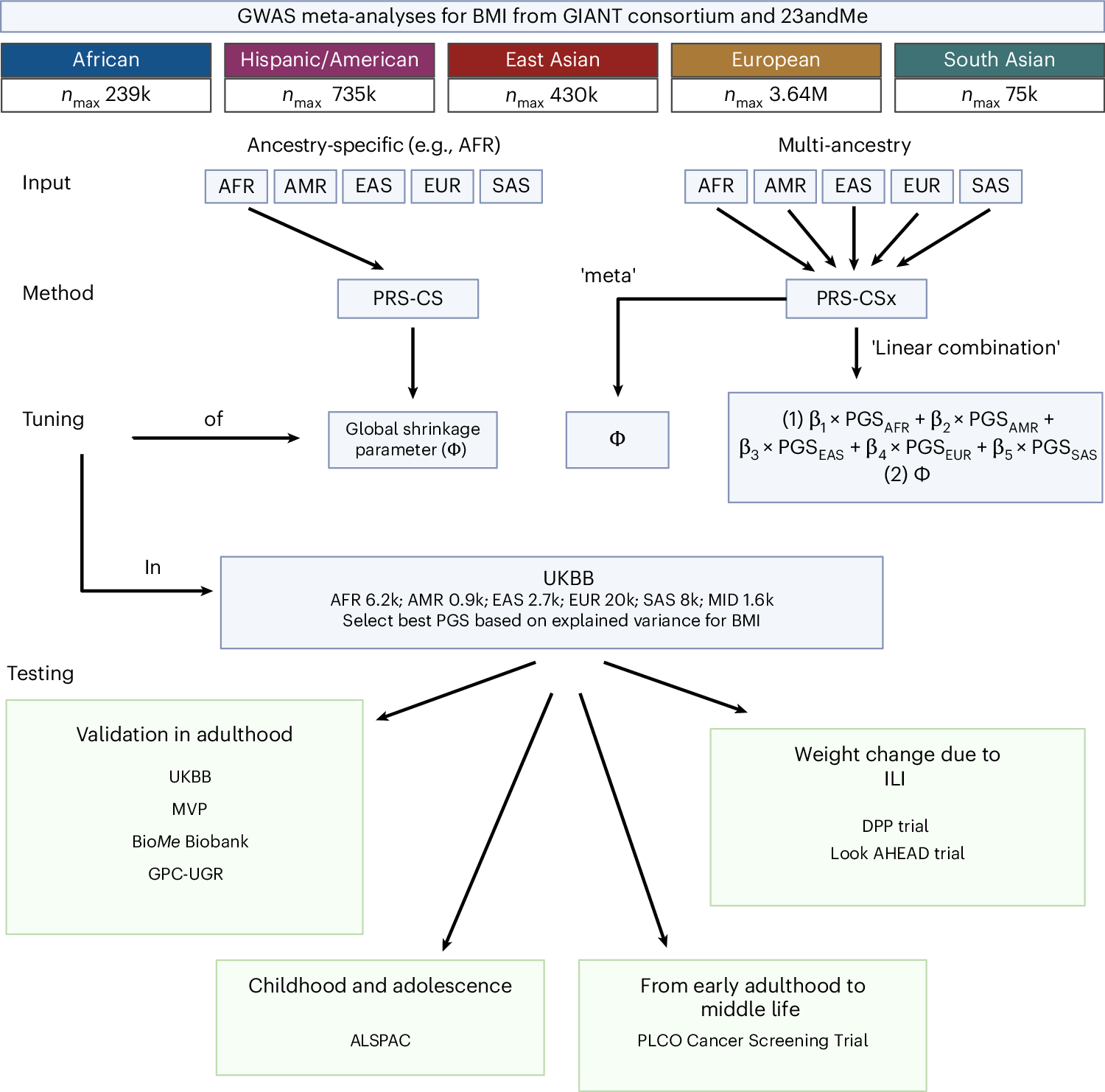
"Polygenic scores (PGSs) for body mass index (BMI) may guide early prevention and targeted treatment of obesity. Using genetic data from up to 5.1 million people (4.6% African ancestry, 14.4% American ancestry, 8.4% East Asian ancestry, 71.1% European ancestry and 1.5% South Asian ancestry) from the GIANT consortium and 23andMe, Inc., we developed ancestry-specific and multi-ancestry PGSs. 
The multi-ancestry score explained 17.6% of BMI variation among UK Biobank participants of European ancestry. For other populations, this ranged from 16% in East Asian-Americans to 2.2% in rural Ugandans.
In the ALSPAC study, children with higher PGSs showed accelerated BMI gain from age 2.5 years to adolescence, with earlier adiposity rebound.
Adding the PGS to predictors available at birth nearly doubled explained variance for BMI from age 5 onward (for example, from 11% to 21% at age 8).
Up to age 5, adding the PGS to early-life BMI improved prediction of BMI at age 18 (for example, from 22% to 35% at age 5). Higher PGSs were associated with greater adult weight gain.
In intensive lifestyle intervention trials, individuals with higher PGSs lost modestly more weight in the first year (0.55 kg per s.d.) but were more likely to regain it. Overall, these data show that PGSs have the potential to improve obesity prediction, particularly when implemented early in life."

Gene Score Predicts Obesity, Even in Young Children | The Scientist "Researchers built a genetic obesity risk score using genetic data from over five million people."


Fig. 1: Study overview.